
0
1668
Last reviewed: 13 November 2026
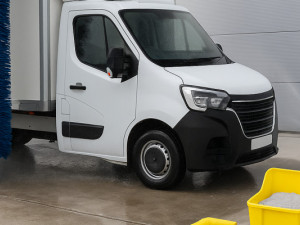
A vehicle wash bay generates contaminated water even when there has been no accidental spill. Detergent, road grime, oil residues, brake dust and dirt can all enter the wash water. The first decision is therefore where the water is meant to go, not which absorbent to put on the floor.
Identify the drainage and permit..
0
1537
Last reviewed: 13 November 2026
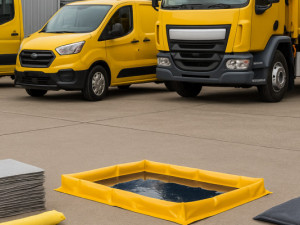
Council depots and fleet yards often combine diesel storage, vehicle servicing, gritting equipment, wash bays and outdoor drainage. The main challenge is that a leak can start in one area and reach a public surface-water system before anyone notices.
Find the risks along a normal depot working day
Walk through fuel d..
0
1417
Last reviewed: 13 November 2026
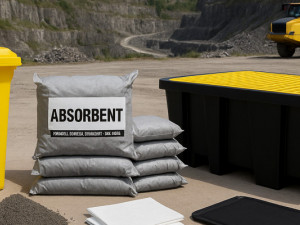
Quarries and aggregate sites may have fuel bowsers, crushers, excavators, loading shovels and mobile plant working over a large area. A hydraulic hose failure away from the workshop is quite different from a small drip beneath a parked vehicle. Good spill planning accounts for both, especially where surface water or ..
0
929
Last reviewed: 13 November 2026
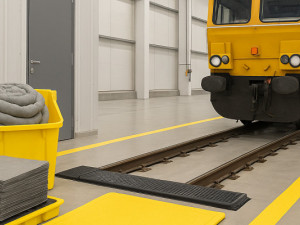
Rail freight maintenance depots handle diesel locomotives, wagon servicing, hydraulic equipment and regular movements of heavy vehicles. A hose failure beside a fuel point may reach drainage channels or operational tracks before anyone can bring a portable kit to the scene.
Focus on the operational hotspots
Identify ..
0
2164
Last reviewed: 13 November 2026
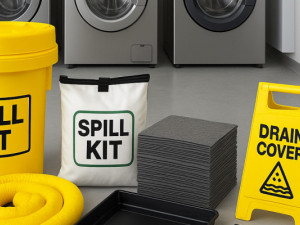
Commercial laundries move large quantities of water, detergents and soiled textiles through tight working areas. Leaks from dosing systems, washer seals or wastewater hoses can quickly create slippery floors, while concentrated cleaning products may also cause skin or eye injuries.
Locate the main liquid risks
Inspec..

0
1300
Last reviewed: 13 November 2026
Emergency service fleet workshops need reliable spill controls without compromising vehicles that may be needed at short notice. Routine servicing can release diesel, petrol, engine oil, coolant, AdBlue, brake fluid and cleaning chemicals, each with different hazards and disposal requirements.
Plan around maintenance..
0
961
Last reviewed: 13 November 2026
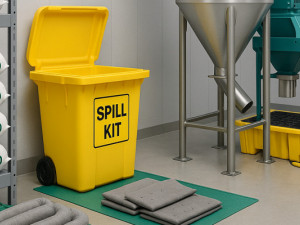
Animal feed manufacturing combines ingredients that must remain suitable for feed with non-feed materials such as machinery lubricants and cleaning chemicals. Molasses and vegetable oil can create persistent slip hazards, while a maintenance leak may introduce a contamination risk to raw ingredients or finished feed...

0
1379
Last reviewed: 13 November 2026
Temporary construction compounds may only be in place for a few months, but they can still store diesel, hydraulic oil, paints and cleaning chemicals close to unprotected ground. Because the layout changes as work progresses, a spill plan that was suitable at the start of the project may quickly become outdated.
Make..
0
1247
Last reviewed: 13 November 2026
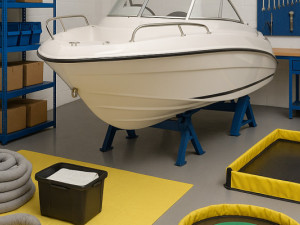
Marine engineering workshops deal with engines, propulsion systems, hydraulic lines and cooling circuits, often close to a slipway or open water. A leak that would remain on a factory floor can become a pollution incident if it reaches a dock drain or the harbour.
Separate hydrocarbon leaks from coolant and cleaning ..
0
1120
Last reviewed: 13 November 2026
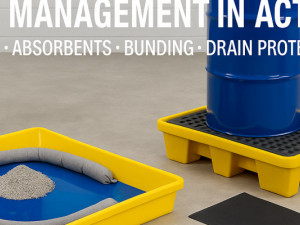
Steel and metal fabrication workshops may use cutting oils, water-mix coolant, hydraulic fluids and degreasers in the same building. A machine can run normally while fluid steadily reaches the floor through a leaking return line or swarf bin. Spill management starts with repairing those sources rather than continuall..
