
Spill control challenges and solutions tailored to specific industries including manufacturing, transport, utilities, construction, data centres, and food production environments.
0
1114
Last reviewed: 13 November 2026
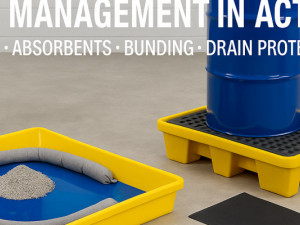
Steel and metal fabrication workshops may use cutting oils, water-mix coolant, hydraulic fluids and degreasers in the same building. A machine can run normally while fluid steadily reaches the floor through a leaking return line or swarf bin. Spill management starts with repairing those sources rather than continuall..
0
1129
Last reviewed: 13 November 2026
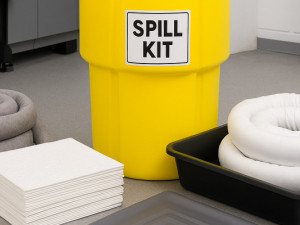
A printing facility may use water-based inks, solvent-borne inks, press cleaners, adhesives and finishing chemicals in the same production area. The right spill response depends on the exact formulation: a small water-based ink leak is not the same event as a flammable solvent release. Both can disrupt production and..
0
1704
Last reviewed: 13 November 2026
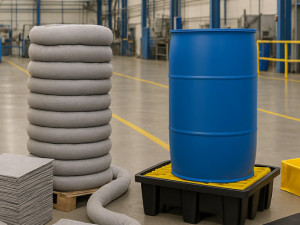
In paint and coatings production, a leak may contain a water-based pigment dispersion, a viscous resin or a highly flammable solvent blend. Those differences affect the health risk, clean-up method and waste route. Treating every coloured liquid as a routine spill is unsafe and often makes the clean-up more difficult..
0
1897
Last reviewed: 13 November 2026
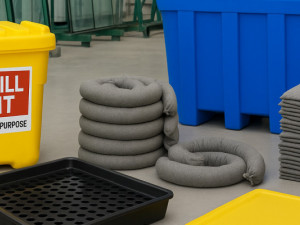
Glass production combines hot processes with maintenance and cooling systems. A spill beside a furnace is therefore different from an oil drip in a cold workshop or a cleaning-chemical release at a finishing line. Spill planning should address heat, equipment access and liquid compatibility, not just how quickly a pa..
0
1187
Last reviewed: 13 November 2026
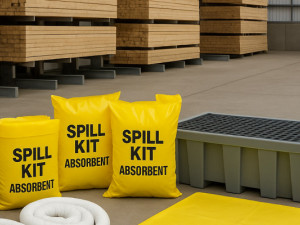
Timber mills and joinery plants often contain hydraulic oil, resins, adhesives, wood preservatives and fine wood dust in close proximity. A spill may create more than a slippery floor: some substances release hazardous vapours, while combustible dust and flammable liquids introduce fire and explosion concerns.
Identi..
0
1991
Last reviewed: 13 November 2026
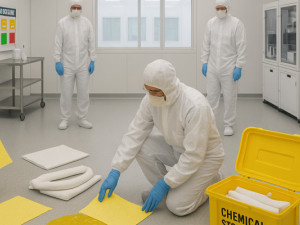
A few millilitres of the wrong liquid can disrupt electronics production. Solvents, flux removers, etchants, adhesives, plating solutions and cooling fluids introduce different risks, while sensitive components may also be vulnerable to contamination from the clean-up materials themselves.
Distinguish production chem..
0
1584
Last reviewed: 13 November 2026
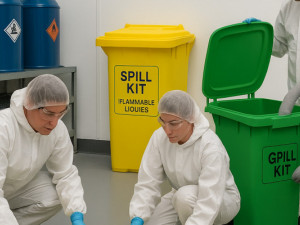
Cosmetics production involves liquids that behave very differently on the floor. A thick emollient oil can leave a persistent slippery film, a fragrance blend may contain flammable solvents, and pigment dispersions can stain equipment and migrate into drains. Controlling these releases protects staff and helps limit ..
0
2282
Last reviewed: 13 November 2026
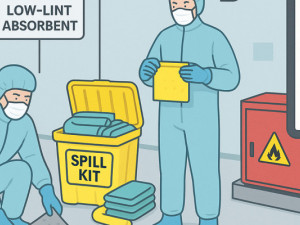
In pharmaceutical manufacturing, a liquid spill may threaten operator safety, equipment, product integrity or the classified status of a production area. Cleanroom incidents call for more than simply placing pads on the floor: the site must also consider particles, residues, validation and the quality implications of..
0
1710
Spill Control in Fulfilment Centres: Batteries, Packaging Inks and Damaged Goods
Last reviewed: 13 November 2026
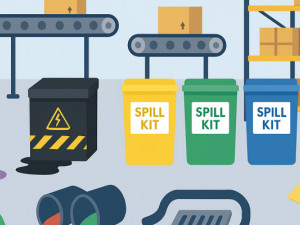
A leaking parcel can create more than a mess in a busy fulfilment centre. One damaged bottle of cleaning liquid can spread across a conveyor, while a broken container of ink can contaminate neighbouring orders. A damaged lithium-ion bat..
0
2344
Last reviewed: 13 November 2026
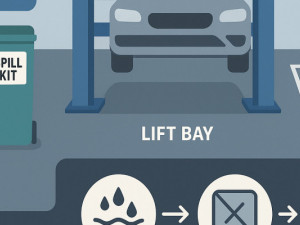
An automotive workshop can have diesel beneath a vehicle, water-mix coolant around a radiator and AdBlue leaking from a stored container on the same day. These liquids differ in composition, so choosing the right clean-up material matters as much as responding quickly.
Know your workshop liquids
Engine oils, fuels, h..
Showing 1 to 10 of 10 (1 Pages)
