
Expert advice on selecting, using, and maintaining spill kits and absorbent materials. Includes guidance on kit types, capacities, refill options, and best practice deployment for workplaces.
0
4327
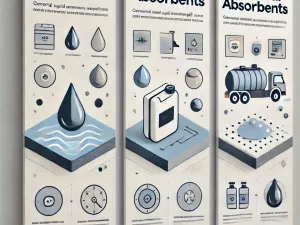
A Beginner's Guide to Absorbents: Types and Uses
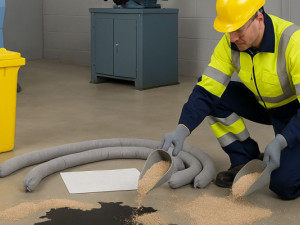
Spills happen in almost every workplace. It might be a small oil leak beneath a machine, coolant on a workshop floor or a damaged container discovered during a delivery. Having the right absorbent to hand makes dealing with many everyday spills simpler. Having the wrong one can waste time and materi..
0
1646
Last reviewed: 13 November 2026
A spill kit is only useful if its contents match the liquid that escapes. The cheapest kit, the largest drum or the most impressive stated absorbency may not be the best choice for your workplace. A brief look at the liquids, likely spill points and people available to respond will usually narrow the options consider..
0
1924
Last reviewed: 13 November 2026
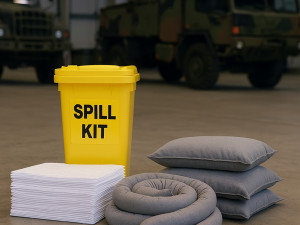
Defence-related sites range from vehicle workshops and maintenance depots to airfields, dockyards and specialist manufacturing facilities. Their spill risks are not identical. What they share is the need to control liquids without compromising personnel safety, operational access or the local environment.
Start with ..
0
1810
Last reviewed: 13 November 2026
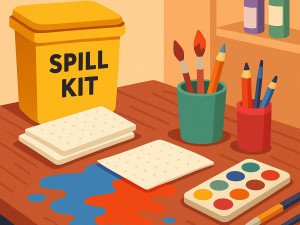
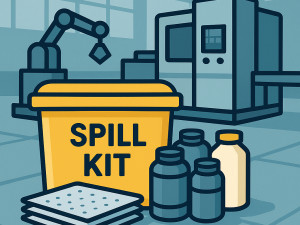
Creative workplaces handle an unusually wide range of liquids. A print studio might use water-based ink alongside solvent cleaners; a prop workshop could have paint, adhesive and resin on the same bench. A single all-purpose spill kit may therefore be less helpful than a small set of carefully chosen materials and a ..

0
1951
Last reviewed: 13 November 2026
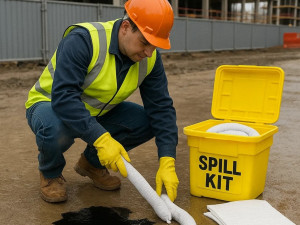
In precision manufacturing, a spill may be small but the consequences aren't always limited to a slippery floor. Coolant beside a CNC machine can affect pedestrian routes, a leaking hydraulic line can contaminate a component, and solvent escaping near sensitive equipment can disrupt an entire production cell. The rig..
0
3071
Last reviewed: 13 November 2026
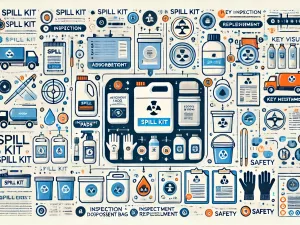
A building site may have a few litres of hydraulic oil around an excavator one day and a delivery of diesel, paint or treatment chemicals the next. Spill equipment needs to match those changing conditions. A kit tucked away in the site office is little use when fuel is running across a yard towards an open gully.
Whe..
0
2333
Last reviewed: 13 November 2026
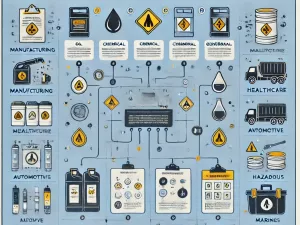
Finding an empty spill kit during a leak is much like discovering the fire extinguisher is missing after an alarm sounds. The problem isn't necessarily the original equipment choice: it is that nobody checked whether the kit was still ready to use.
Why spill kits need attention between incidents
Absorbent pads, socks..
0
2934
Last reviewed: 13 November 2026
A compact spill kit in a service van and a wheeled kit beside a bulk tank may both be sold as “spill kits”, but they are designed for very different jobs. The best choice depends on what could escape, how much might be released and who is trained to respond.
Identify your liquids before choosing a kit
Start with a li..

0
2397
Last reviewed: 13 November 2026
There is more to choosing an absorbent than finding something that soaks up liquid. A pad that works well beneath a leaking gearbox may be unsuitable for an unknown chemical, while an oil-only product intended for wet outdoor use may leave a water-based coolant untouched. Understanding those differences can save time..