
Introduction to Spill Management in Steel and Metal Fabrication
In the steel and metal fabrication industry, spills refer to the accidental release of liquids, such as cutting fluids, coolants, oils, and degreasers, that can occur during various processes. These spills can pose significant risks not only to the environment but also to worker safety and operational efficiency.
Effective spill management is essential for minimising these risks. It involves implementing strategies and practices that prevent spills, contain any that do occur, and ensure proper clean-up procedures. This is crucial in maintaining a safe working environment, complying with health and safety regulations, and safeguarding the integrity of equipment and materials.
Overview of Cutting Fluids, Coolants, Oils, and Degreasers
In the fabrication industry, cutting fluids are commonly used to reduce friction and heat during metal machining processes. These fluids can easily spill, leading to slippery surfaces and potential accidents. Similarly, coolants are employed to manage heat in various operations, and their spills can create hazardous conditions if not managed properly.
Oils and degreasers are also prevalent in metalworking, serving to lubricate machinery and clean components. However, the presence of these substances increases the complexity of spill management due to their flammable nature and potential health exposures. Workers may face risks such as skin irritation or respiratory issues if these chemicals are not handled with care.
To ensure a safer workplace, it is imperative for organisations to adhere to guidelines established by reputable sources, such as the HSE, which provides comprehensive information on managing metalworking fluid risks. By prioritising spill management, businesses can protect their workforce and maintain a productive operational environment.
Types of Fluids Used in Fabrication
In the steel and metal fabrication industry, various fluids play critical roles in enhancing operational efficiency. However, these fluids also pose potential hazards if not managed correctly. Understanding the types of fluids used, their purposes, and associated risks is essential for effective spill management.
Cutting Fluids
Cutting fluids are integral to machining processes. They reduce friction and heat generated during cutting operations, improving tool life and surface finish. However, exposure to cutting fluids can lead to skin irritation and respiratory issues if mist is inhaled. It's crucial to follow guidelines from the HSE on managing metalworking fluid risks to mitigate these health exposures.
Coolants
Coolants serve to maintain optimal temperatures during machining and metalworking processes. They help prevent overheating and subsequent damage to both tools and materials. While effective, coolants can contain hazardous substances that may pose health risks. Regular monitoring and proper disposal methods are vital to ensure safe usage and compliance with COSHH regulations.
Oils
Oils are frequently used for lubrication and protection against corrosion. They can create slippery surfaces if spilled, increasing the risk of slips and falls in the workplace. For more information about the types of oils and their applications, visit Serpro Oils. Implementing strict spill management protocols is essential to minimise the risks associated with oil spills.
Degreasers
Degreasers are employed to remove grease, oil, and contaminants from metal surfaces, ensuring they are clean for further processing. While effective, many degreasers contain volatile organic compounds (VOCs) that can be harmful if inhaled. Proper ventilation and personal protective equipment (PPE) are recommended during use. For a comprehensive range of degreasers, check out Serpro Degreasers.
In summary, understanding the various fluids used in steel and metal fabrication, along with their potential hazards, is crucial for effective spill management. By implementing safety measures and adhering to regulatory guidelines, businesses can significantly reduce health risks and improve workplace safety.
Health Risks Associated with Metalworking Fluids
Metalworking fluids (MWFs) are essential in the steel and metal fabrication industry, particularly for their roles as cutting fluids, coolants, and degreasers. However, while they enhance productivity and tool life, they also pose significant health risks that must be managed effectively.
Respiratory Risks
One of the primary health exposures related to metalworking fluids is respiratory risk. Inhalation of mist generated during machining processes can lead to respiratory problems, including irritation of the airways and lung conditions. Prolonged exposure may result in chronic respiratory issues. To mitigate these risks, proper ventilation systems and personal protective equipment (PPE) such as respirators are essential. For comprehensive guidance on managing these risks, refer to the HSE – Metalworking fluids documentation.
Skin Exposure
Skin exposure to MWFs can lead to dermatitis and other skin conditions. Direct contact with these fluids can result in irritation, allergic reactions, or even chemical burns, depending on the composition of the fluid. Implementing protective measures, such as wearing gloves and protective clothing, is crucial for reducing skin contact. Regular training on the proper handling of these substances is also advisable to raise awareness among workers.
Long-term Health Effects
Long-term exposure to metalworking fluids can contribute to severe health issues, including cancer and reproductive disorders. The HSE – COSHH framework emphasises the importance of risk assessments and control measures to protect workers from these potential long-term effects. Regular monitoring of fluid composition and exposure levels is vital to ensure a safe working environment.
To further understand the implications of MWFs on health and safety, visit Serpro's health and safety page, which provides additional resources and best practices.
Fire Risks in Steel and Metal Fabrication
In the realm of steel and metal fabrication, the presence of cutting fluids, coolants, oils, and degreasers introduces a significant risk of fire hazards. Many of these substances possess varying degrees of flammability, which can lead to dangerous situations if spills occur and are not managed correctly. Understanding the flammability of these fluids is essential for ensuring workplace safety.
Flammability of Fluids
Flammable fluids can ignite easily when exposed to heat sources, sparks, or open flames. For example, many cutting oils and degreasers contain hydrocarbons that are particularly susceptible to combustion. The HSE provides comprehensive guidance on the risks associated with metalworking fluids, highlighting the importance of maintaining safe storage and usage practices to mitigate these fire risks.
Preventive Measures
To prevent spills and reduce fire risks, it is crucial to implement a series of proactive measures. First, ensure that all employees are trained in proper handling techniques for flammable materials. This includes using appropriate containers and ensuring that all spills are cleaned promptly. Installing spill containment systems and ensuring that all work areas are well-ventilated can also help reduce the likelihood of fire incidents. Regular maintenance of equipment to prevent leaks is another essential preventive measure.
Emergency Response
In the event of a spill, having a robust emergency response plan is vital. Employees should be trained in the procedures for reporting spills and using fire extinguishing equipment, such as foam or dry powder extinguishers, which are effective against flammable liquid fires. For more detailed guidance on emergency response, refer to the Serpro Fire Safety resources. Furthermore, adhering to the COSHH framework will assist in assessing and controlling exposure to hazardous substances, ensuring that all risks are managed effectively.
Effective Spill Containment Strategies
In the steel and metal fabrication industry, managing spills effectively is crucial for maintaining a safe working environment. The presence of cutting fluids, coolants, oils, and degreasers can pose significant risks if not properly contained. Implementing best practices for spill containment and response is essential to mitigate these risks.
Utilising Spill Kits
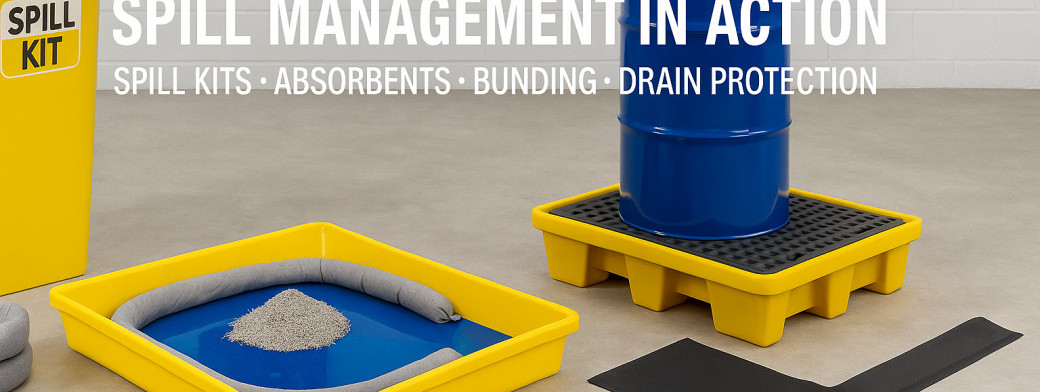
One of the most effective strategies for spill management is the use of spill kits. These kits should be readily accessible in all areas where fluids are handled. A well-equipped spill kit typically includes absorbent materials, gloves, and disposal bags. Regular checks should be conducted to ensure that the kits are fully stocked and that staff are familiar with their locations and contents.
Establishing Containment Barriers
Containment barriers are another critical component of spill management. These barriers can be physical, such as bunds or trays, designed to catch any spills before they spread. They should be strategically placed around areas where fluids are used or stored, ensuring that spills can be contained quickly and effectively. Regular inspections of these barriers are necessary to maintain their integrity and effectiveness.
Training Staff
Training is vital for effective spill management. All staff should receive training on the proper use of spill kits and the procedures to follow in case of a spill. Understanding the risks associated with metalworking fluids and the importance of immediate response can significantly reduce the impact of spills. Regular refresher courses can help keep spill response procedures fresh in employees' minds.
In conclusion, effective spill containment strategies in steel and metal fabrication involve the use of spill kits, the establishment of containment barriers, and thorough training of staff. By implementing these practices, companies can significantly reduce the risks associated with spills of cutting fluids, coolants, oils, and degreasers, thus fostering a safer workplace.
Slip Reduction Strategies in the Workplace
In the steel and metal fabrication industry, managing spills effectively is crucial to maintaining a safe working environment. One of the most significant hazards associated with spills is the risk of slips and falls. Implementing comprehensive slip reduction strategies can help mitigate these risks and ensure workplace safety.
Choosing the Right Flooring Materials
The choice of flooring can significantly impact slip hazards in fabrication facilities. Opting for anti-slip flooring materials can provide better traction, especially in areas prone to spills. Materials such as textured vinyl, rubber, or treated concrete not only enhance grip but also facilitate easier cleaning. Regularly assessing flooring conditions and replacing worn or damaged surfaces is essential for long-term safety.
Regular Maintenance and Clean-up Protocols
Establishing a routine for spill clean-up and maintenance is vital. This includes promptly addressing any spills of cutting fluids, coolants, oils, or degreasers to prevent them from becoming slip hazards. Implementing a maintenance schedule that includes regular inspections and cleaning of the work area can greatly reduce the likelihood of slip incidents. Additionally, ensuring that drains are clear and functional will help manage any liquid accumulation effectively.
Signage and Training
Clear signage indicating areas where spills have occurred or where there is a potential slip hazard can help alert workers to take caution. Furthermore, providing training on spill management and safe practices is essential for all employees. Training should cover the proper procedures for handling spills, using absorbents, and understanding the risks associated with various substances. Resources from the HSE on COSHH can provide valuable information on managing hazardous substances effectively.
By implementing these strategies, steel and metal fabrication workplaces can significantly reduce slip hazards, ensuring a safer environment for all personnel.
Conclusion and Best Practices
In summary, effective spill management in steel and metal fabrication is crucial for ensuring health and safety in the workplace. The risks associated with cutting fluids, coolants, oils, and degreasers can lead to significant health exposures if not properly managed. Regular training and adherence to established protocols can mitigate these risks, safeguarding both employees and the environment.
Compliance with regulations, such as those outlined by the HSE – Metalworking fluids, is not just a legal obligation but also a fundamental part of maintaining a safe working environment. By following the COSHH Essentials guidance, companies can effectively assess and control exposure to hazardous substances, thus reducing the likelihood of spills and their associated dangers.
Furthermore, fostering a culture of continuous improvement is essential. Regularly reviewing and updating spill management protocols can help identify new risks and enhance existing controls. Encouraging employees to report near misses and spills can also promote a proactive approach to safety.
For more comprehensive guidance on best practices, visit Serpro's Best Practices page, which provides valuable insights into maintaining a safe and efficient workplace.
By prioritising health and safety, ensuring compliance, and striving for continuous improvement, businesses can significantly reduce the risks associated with spillages in steel and metal fabrication.