
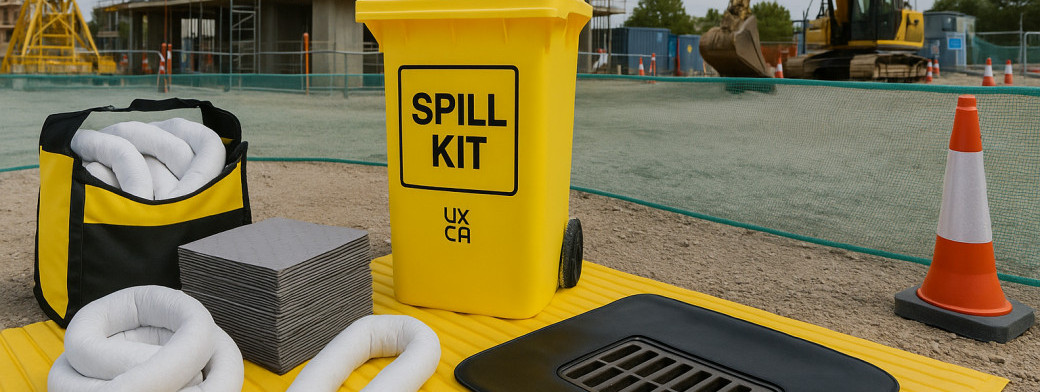
Introduction to Spill Response in Temporary Construction Compounds
Temporary construction compounds are designated areas set up to support construction activities, providing space for equipment, materials, and facilities essential for project execution. These compounds, while vital for operational efficiency, pose significant environmental risks if not managed properly, particularly concerning spill incidents.
The importance of effective spill response strategies in temporary construction sites cannot be overstated. Construction activities often involve the use of hazardous materials, including fuels, oils, and chemicals, which can lead to spills that threaten both human health and the environment. An efficient spill response plan not only complies with legal requirements but also mitigates the risk of pollution and promotes a safe working environment.
Potential Spill Sources
Several potential spill sources exist within temporary construction compounds. Fuel bowsers, used for storing and dispensing fuel, are a primary concern, as leaks or overflows can lead to significant environmental contamination. Generators, which often run on diesel or petrol, can also pose risks, particularly if fuel lines are damaged or maintenance is neglected. Additionally, chemical stores holding hazardous substances may contribute to spills if not adequately contained or monitored. For guidance on managing these risks, refer to the GOV.UK guidance on pollution prevention for businesses.
To ensure that your construction site is prepared for potential spills, utilizing appropriate spill kits and absorbents is crucial. For more information on effective spill management tools, visit Serpro's spill kits and absorbents.
Understanding the Regulatory Framework
Effective spill response in temporary construction compounds is governed by a comprehensive regulatory framework in the UK and EU. Understanding these regulations is crucial for compliance and ensuring environmental protection.
Overview of Relevant UK Legislation
In the UK, the Environmental Protection Act 1990 establishes the legal basis for pollution prevention and control. This act mandates that businesses take all reasonable steps to prevent pollution from their activities, including the management of spills from fuel bowsers, generators, and chemical stores. Additionally, the Control of Substances Hazardous to Health (COSHH) Regulations require employers to assess risks associated with hazardous substances and implement appropriate control measures.
Key EU Regulations
At the EU level, the Water Framework Directive (WFD) and the REACH Regulation are significant. The WFD aims to protect and enhance the quality of water resources, necessitating stringent measures to prevent spills that could contaminate water bodies. The REACH Regulation focuses on the registration, evaluation, authorisation, and restriction of chemicals, ensuring that hazardous substances are managed safely throughout their life cycle.
Consequences of Non-Compliance
Failure to comply with these regulations can result in severe consequences, including hefty fines, legal action, and reputational damage. Non-compliance not only affects the business but can also lead to significant environmental harm, impacting local ecosystems and communities. Therefore, it is essential for construction companies to stay informed and adhere to all applicable regulations to avoid these repercussions.
Best Practices for Managing Fuel Bowsers
Fuel bowsers are essential for temporary construction compounds, providing a convenient means of storing and dispensing fuel. However, improper management can lead to significant environmental risks and compliance issues. Implementing best practices for the safe management of fuel bowsers is critical to preventing spills and ensuring regulatory compliance.
Proper Placement and Containment Measures
The placement of fuel bowsers is crucial for minimising spill risks. Position bowsers on level ground, away from drains and watercourses, to prevent accidental contamination of water bodies. It's advisable to install bunding solutions around the bowsers to contain any potential leaks or spills. Bunding should be designed to hold at least 110% of the capacity of the largest bowser or 25% of the total capacity of all bowsers, whichever is greater. This containment measure ensures that any spilled fuel is captured and can be managed effectively.
Regular Inspection and Maintenance
Routine inspections and maintenance of fuel bowsers are critical to ensuring their integrity and functionality. Conduct checks for leaks, corrosion, and damage on a weekly basis, and maintain a log of these inspections to demonstrate compliance. Additionally, ensure that fuel bowsers are fitted with appropriate safety features, such as overfill alarms and automatic shut-off systems, to mitigate the risk of spills during refuelling operations. Following guidelines from HSE's COSHH regulations can provide further insights into hazardous substance controls for fuels and chemicals, ensuring that all safety measures are adhered to.
Emergency Response Planning
No matter how well fuel bowsers are managed, spills can still occur. Therefore, having an effective emergency response plan is essential. This plan should outline immediate actions to take in the event of a spill, including the use of spill kits, evacuation procedures, and notification protocols for relevant authorities. All personnel should be trained on the emergency response plan to ensure a swift and effective reaction to any incidents. Resources provided by GOV.UK can help in developing these plans and understanding the pollution prevention requirements for construction sites.
By following these best practices for managing fuel bowsers, construction companies can significantly reduce the risk of spills, ensuring compliance with environmental regulations and protecting surrounding ecosystems.
Effective Management of Generators
Generators are essential for providing power to temporary construction compounds, but their operation and maintenance must be conducted with care to prevent spills and ensure compliance with environmental regulations. This section outlines best practices for the safe operation of generators, focusing on fuel storage and handling, regular maintenance, and emergency procedures.
Fuel Storage and Handling
Proper fuel storage and handling are crucial to prevent spills and leaks. Generators should be refueled at designated fuel bowsers that comply with UK regulations. It is important to adhere to guidelines set out by GOV.UK – Storing oil at home or business, which detail spill prevention requirements for temporary fuel storage. Ensure that fuel storage areas are situated away from watercourses, and use appropriate bunded containers to contain any potential spills.
Regular Checks and Maintenance Protocols
Regular checks and maintenance of generators are vital to ensure they operate efficiently and safely. Establish a maintenance schedule that includes daily inspections for leaks, fuel levels, and overall condition. Keep records of all maintenance activities to demonstrate compliance with health and safety regulations, as highlighted by HSE – COSHH. Any signs of wear or damage should be addressed immediately to prevent potential spills and hazards.
Emergency Shut-off Procedures
In the event of a spill or emergency, having well-defined procedures in place is essential. Ensure all personnel are trained on the emergency shut-off procedures for generators. This includes knowing how to quickly and safely turn off the generator and any fuel supply systems. Conduct regular drills to ensure everyone on-site is familiar with these procedures, as outlined in the GOV.UK – Pollution prevention for businesses guidelines. Additionally, maintain clear signage indicating emergency shut-off locations and procedures.
By implementing these best practices for the effective management of generators, construction sites can minimize the risk of spills and ensure compliance with environmental regulations.
Chemical Store Management
Effective management of chemical stores is crucial for mitigating spill risks at temporary construction compounds. By adhering to best practices, construction sites can ensure compliance with regulations while protecting the environment and the health of workers.
Storage Requirements and Segregation of Chemicals
Proper storage of chemicals involves understanding their properties and potential hazards. Chemicals should be stored in accordance with the COSHH regulations, which provide guidelines for handling hazardous substances. It is essential to segregate incompatible chemicals to prevent dangerous reactions in the event of a spill. For example, flammable materials should be stored away from oxidisers and acids. Using clearly labelled containers and providing adequate signage will further enhance safety and compliance.
Use of Bunding and Spill Containment Systems
Bunding is a critical strategy for spill prevention in chemical storage areas. Bunds are barriers that contain spills and leaks, preventing them from spreading. According to the UK government guidelines, bunds should be designed to hold at least 110% of the volume of the largest container stored within them. Additionally, employing spill containment systems, such as drip trays and absorbent materials, can further enhance spill response capabilities. Resources like absorbents should be readily available in the chemical storage area to facilitate quick cleanup.
Training and Safety Protocols for Staff
Regular training is essential for staff handling chemicals to ensure they understand the risks and proper response protocols. Training should cover the correct use of personal protective equipment (PPE), emergency response procedures, and spill containment methods. Establishing a clear set of safety protocols and making them accessible to all staff will foster a culture of safety on-site. Additionally, conducting regular drills can prepare staff for real-life spill scenarios, ensuring they are equipped to respond effectively.
Developing a Spill Response Plan
Creating a comprehensive spill response plan is essential for managing temporary construction compounds effectively. This plan should outline procedures to mitigate the impact of potential spills, particularly concerning fuel bowsers, generators, and chemical stores.
Key Components of a Spill Response Plan
A robust spill response plan should include the following key components:
- Risk Assessment: Identify potential spill sources, including fuel storage areas and chemical handling zones. Assess the environmental impact and the likelihood of spills occurring.
- Containment Procedures: Establish methods for containing spills, such as deploying spill kits and using bunds around fuel storage.
- Notification Protocols: Define procedures for notifying relevant authorities and stakeholders in the event of a spill, ensuring compliance with legal requirements.
- Cleanup Procedures: Outline steps for safely cleaning up spills, including the use of appropriate materials and methods, in line with guidance from GOV.UK – Pollution prevention for businesses.
Roles and Responsibilities of Staff
Clearly defined roles and responsibilities are crucial for an effective response. Assign specific individuals to oversee spill response activities, ensuring they are trained and knowledgeable about the procedures. Key roles may include:
- Spill Response Coordinator: Responsible for managing the overall response and coordinating efforts among team members.
- Site Supervisors: Ensure compliance with the spill response plan and oversee training for all staff.
- All Staff: Trained to recognize potential spills and understand their role in reporting and initial response efforts.
Drills and Training for Effective Response
Regular drills and training sessions are vital for ensuring staff are prepared to respond effectively to spills. Conducting mock spill scenarios helps reinforce the spill response plan and identify areas for improvement. Training should cover:
- Proper use of spill kits and containment equipment.
- Emergency contact procedures and reporting protocols.
- Environmental considerations in spill management, following HSE – COSHH guidelines for hazardous substances.
By implementing a comprehensive spill response plan, construction sites can significantly reduce the risk of environmental damage and ensure compliance with regulations such as those outlined in GOV.UK – Storing oil at home or business.
Conclusion and Call to Action
In summary, effective spill response strategies are crucial for maintaining compliance and preventing environmental damage at temporary construction compounds. By implementing best practices for managing fuel bowsers, generators, and chemical stores, construction teams can significantly reduce the risks associated with spills. Key points to remember include the importance of regular training, proper storage solutions, and having readily accessible spill kits in place.
Investing in spill response resources not only protects the environment but also safeguards the health and safety of all personnel on-site. Proactive measures can mitigate the impact of spills, ensuring that your construction project remains compliant with regulations set out by authorities such as GOV.UK and the HSE.
We encourage all construction companies to assess their current spill response strategies and invest in effective bunding solutions and spill kits tailored to their specific needs. For further guidance, refer to resources on storing oil safely and pollution prevention practices. Together, we can create a safer and more responsible construction industry.