
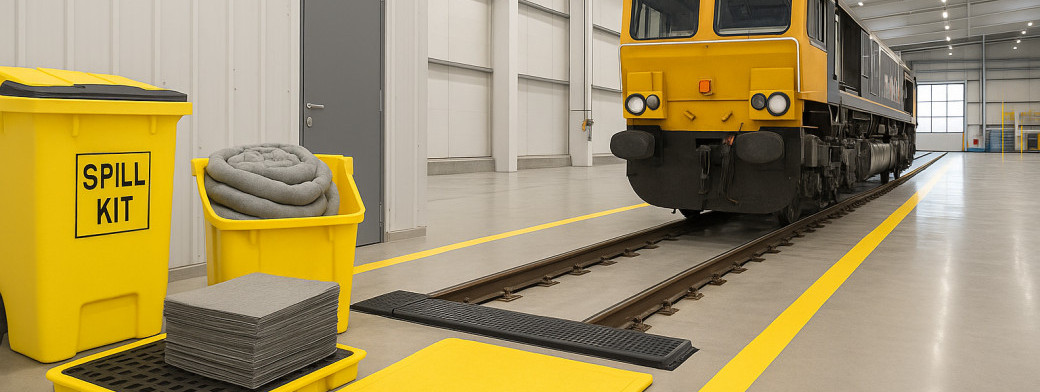
Introduction to Spill Control in Rail Freight Maintenance Depots
In the rail freight industry, effective spill control is paramount to safeguard both the environment and operational efficiency. Maintenance depots are hubs of activity where various substances, including diesel, hydraulic oils, degreasers, and workshop chemicals, are routinely handled. The potential for spills is ever-present, making proactive measures essential.
Importance of Spill Control
Spill control strategies are vital not only for compliance with regulations but also for protecting the surrounding ecosystems. A spill can lead to contamination of soil and water sources, adversely affecting local flora and fauna. The implementation of robust spill response plans ensures that any incident is managed swiftly, minimising environmental damage and financial repercussions.
Overview of Common Spills
Common spills in maintenance depots typically involve substances such as diesel fuel and hydraulic oils, which can pose significant risks if not contained promptly. Additionally, the use of degreasers and various workshop chemicals further complicates the landscape, necessitating a comprehensive understanding of their properties and potential hazards. For detailed guidance on managing these substances, the HSE's COSHH guidelines offer valuable insights.
Environmental Implications
The environmental implications of spills can be severe, leading to long-term ecological damage. For instance, diesel spills can result in soil degradation and water pollution, impacting aquatic life and local communities. It is crucial for maintenance depots to adopt effective spill prevention measures, such as bunding and proper storage practices, as outlined by GOV.UK. By investing in spill kits and absorbents, such as those available at Serpro Spill Kits and Serpro Absorbents, rail freight maintenance depots can enhance their readiness to respond effectively to spills.
Types of Spills Commonly Encountered
In rail freight maintenance depots, various types of spills can occur, each posing unique challenges and risks to the environment and personnel. Understanding these spills is crucial for effective spill control and rapid response. Below, we categorise and describe the most common types of spills encountered in these settings.
Diesel Spills
Diesel spills are among the most frequent occurrences in rail freight maintenance depots, often resulting from refuelling operations or equipment leaks. Diesel is not only hazardous to the environment but can also pose significant health risks if inhaled or absorbed through the skin. The GOV.UK guidance on storing oil provides insights into proper containment practices to prevent diesel spills from contaminating soil and water sources.
Hydraulic Oil Spills
Hydraulic oils are essential for the operation of heavy machinery and are often used in rail maintenance. However, spills can occur due to equipment failure or improper handling. These oils can be toxic to aquatic life and may lead to long-term environmental damage. Implementing a robust spill prevention strategy, such as using bunding solutions, is key to minimising the risk of hydraulic oil spills.
Degreaser Spills
Degreasers are commonly used in maintenance depots to clean machinery and components. However, these solvents can be harmful to both human health and the environment. According to the HSE's COSHH guidelines, proper training and handling procedures must be established to mitigate risks associated with degreaser spills. Quick containment and cleanup are essential to avoid exposure to hazardous substances.
Workshop Chemical Spills
Various workshop chemicals, including paints, solvents, and adhesives, are used in maintenance activities and can cause spills. These chemicals often contain volatile organic compounds (VOCs) that can lead to air quality issues and environmental contamination. The HSE guidelines on fire and explosion risks highlight the importance of managing flammable liquids and ensuring that workshop chemicals are stored and handled correctly to prevent spills.
In conclusion, understanding the types of spills commonly encountered in rail freight maintenance depots is the first step towards effective spill control and environmental protection. By implementing appropriate containment measures and rapid response strategies, maintenance depots can significantly reduce their environmental impact and ensure the safety of their personnel.
Best Practices for Spill Response
Immediate Response Actions
In the event of a spill in a rail freight maintenance depot, the first step is to assess the situation quickly and ensure the safety of all personnel. Immediate actions should include:
- Evacuating the area if necessary, especially in the case of large spills or hazardous materials.
- Alerting your spill response team and notifying relevant authorities if required.
- Utilising personal protective equipment (PPE) to safeguard against exposure to harmful substances.
Containment Strategies
Once safety is secured, the next step is to contain the spill to prevent further environmental damage. Effective containment strategies include:
- Using spill kits equipped with absorbent materials to quickly surround the spill.
- Constructing barriers using bunds or other containment devices to confine the spill within a limited area.
- Implementing drainage controls to divert any run-off away from water sources and sensitive environments.
Cleanup Procedures
After containment, it is essential to follow proper cleanup procedures to ensure complete removal of the hazardous materials. Recommended steps include:
- Using appropriate absorbents to soak up liquids, ensuring that all material is collected and disposed of according to local regulations.
- Cleaning the affected area with suitable degreasers or solvents, while adhering to COSHH guidelines to manage exposure risks.
- Documenting the spill incident, including the volume of material spilled and actions taken, to inform future prevention strategies.
Training and Drills
To enhance spill response efficacy, regular training and drills should be conducted for all staff. This should cover:
- Familiarisation with spill response equipment and materials, particularly the use of spill kits.
- Emergency procedures and evacuation plans specific to the depot's layout and potential spill scenarios.
- Engagement with local emergency services to ensure a coordinated response in the event of a significant incident.
By implementing these best practices, rail freight maintenance depots can significantly mitigate the environmental impact of spills and ensure a rapid and effective response to any incidents.
Environmental Regulations in the UK/EU
In the UK and EU, environmental regulations play a crucial role in managing spill control within rail freight maintenance depots. Adherence to these regulations not only ensures the protection of the environment but also mitigates potential liabilities and enhances operational efficiency.
UK Environmental Laws
In the UK, the primary legislative framework governing spill control is the Environmental Protection Act 1990. This act requires facilities that store oils and hazardous substances to implement adequate spill prevention measures, including bunding and containment systems. Rail freight maintenance depots must ensure that all storage areas comply with these regulations to prevent leaks and spills that could contaminate soil and water sources.
Additionally, the Control of Substances Hazardous to Health (COSHH) Regulations mandate that employers assess the risks associated with hazardous chemicals, including degreasers and workshop chemicals. For more detailed guidance, refer to the HSE COSHH guidelines, which outline the necessary precautions for managing exposure to these substances.
EU Regulations
The EU has established a comprehensive set of regulations that govern environmental protection, including the REACH Regulation (Registration, Evaluation, Authorisation and Restriction of Chemicals) and the Seveso III Directive, which aims to prevent and control major industrial accidents. Rail freight depots handling hazardous substances must comply with these regulations by maintaining accurate inventories of chemicals and implementing safety measures to prevent spills.
Furthermore, the Water Framework Directive sets out principles for protecting water quality across Europe. This directive emphasizes the need for spill prevention strategies that safeguard water bodies from contamination, which is particularly relevant for rail maintenance depots located near rivers or lakes.
Implications for Rail Freight Depots
For rail freight maintenance depots, compliance with these UK and EU regulations is not merely a legal obligation but a critical aspect of their operational integrity. Non-compliance can lead to severe penalties, including fines and operational shutdowns, as well as reputational damage. Therefore, implementing effective spill control measures and maintaining awareness of regulatory requirements is essential for sustainable operations.
To enhance spill control capabilities, facilities can invest in absorbents and containment solutions that align with regulatory standards. By prioritising environmental protection, rail freight depots can contribute to a greener future while ensuring compliance with the law.
Recommended Products for Spill Control
Effective spill control in rail freight maintenance depots is vital for environmental protection and operational efficiency. Here, we recommend specific products that can aid in managing spills involving diesel, hydraulic oils, degreasers, and other workshop chemicals.
Types of Spill Kits
Spill kits are essential for rapid response to spills. They come in various types tailored for specific substances:
- Oil Spill Kits: Designed specifically for oil spills, these kits contain absorbent pads, booms, and socks that effectively manage hydrocarbon-based spills.
- Chemical Spill Kits: These kits are equipped to handle a wide range of chemicals, including corrosive substances. They include neutralising agents and specific absorbents for hazardous materials.
- Universal Spill Kits: Suitable for a variety of spills, these kits are versatile and can absorb oils, water, and other liquids, making them ideal for multi-purpose use in maintenance depots.
For a detailed overview of spill kits, visit Serpro Spill Kits.
Absorbent Materials
Absorbent materials are crucial for controlling spills effectively. Common types include:
- Absorbent Pads and Rolls: Ideal for quick clean-up, these pads can absorb large volumes of liquids and are easy to deploy.
- Absorbent Socks and Booms: These are used to contain spills and prevent them from spreading, particularly in areas with drainage.
- Granular Absorbents: Such materials can be sprinkled over spills to absorb liquids quickly, making them suitable for larger spills on floors.
Explore a range of absorbent materials at Serpro Absorbents.
Bunding Solutions
Bunding is a proactive measure that helps to contain spills. Recommended bunding solutions include:
- Bunded Pallets: These pallets are designed to hold drums and containers while containing any leaks or spills.
- Spill Containment Bunds: These are used to create a secure area for storing hazardous materials, preventing spills from reaching the environment.
- Portable Bunds: Flexible and easy to deploy, these bunds can be used in various locations around the maintenance depot.
For a comprehensive look at bunding solutions, check out Serpro Bunding Solutions.
Implementing these recommended products can significantly enhance spill control measures in rail freight maintenance depots, ensuring compliance with regulations and protecting the environment.
Conclusion and Call to Action
In summary, effective spill control is crucial in rail freight maintenance depots to protect the environment and ensure the safety of personnel. With the potential for diesel, hydraulic oils, degreasers, and other workshop chemicals to cause significant harm, it is imperative to implement robust spill prevention and response strategies. By adopting best practices, such as regular training, proper storage solutions, and the use of appropriate spill kits, depots can mitigate risks and respond swiftly to any incidents.
We encourage maintenance depots to assess their current spill control measures and make necessary improvements. For example, investing in high-quality spill kits and absorbent materials can significantly enhance preparedness. Furthermore, reviewing guidelines from the GOV.UK on storing oils and managing spill risks can provide valuable insights into compliance and best practices.
Additionally, understanding the implications of workplace chemicals is essential. The HSE COSHH guidelines can help you manage exposure to hazardous substances, ensuring a safer working environment. Lastly, consider the HSE resources on fire and explosion risks associated with flammable materials, which can further aid in developing a comprehensive spill control strategy.
By taking these steps, rail freight maintenance depots can not only comply with regulations but also contribute to a sustainable future. Let us work together to create safer and cleaner operational environments.