
0
1432
Last reviewed: 13 November 2026
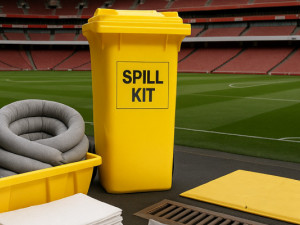
During a busy event, a drink spill on a concourse can put hundreds of people at risk of walking through the same patch within minutes. Behind the scenes, catering oils, cleaning chemicals, generator fuel and maintenance fluids create a second set of risks that require different equipment and procedures.
Work from the..
0
2664
Last reviewed: 13 November 2026
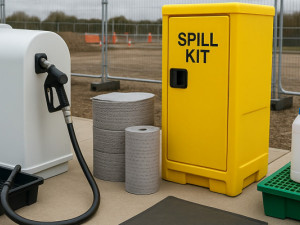
Construction sites are constantly changing. A diesel tank may be moved, plant may be refuelled beside a new drain, or concrete washout may shift to another part of the project. Spill prevention has to follow those changes instead of relying on the location of last month’s spill kit.
Focus on three different risks
Fue..
0
1478
Last reviewed: 13 November 2026
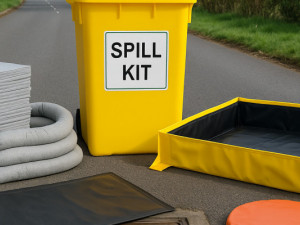
Highway maintenance teams work beside traffic, drainage gullies and often in poor weather. Diesel, hydraulic oil, bitumen-related products and contaminated washwater can all escape from vehicles or equipment. The response must protect road users and workers before anyone approaches the spill.
Vehicles and depots are ..
0
1750
Last reviewed: 13 November 2026
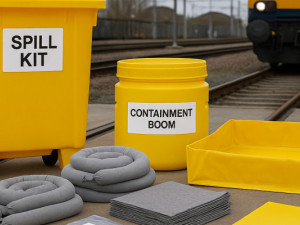
Schools and colleges contain very different spill environments: a knocked-over drink in a corridor, detergent in a cleaning store, a chemical in a science room or oil in a technology workshop. A safe response depends on recognising those differences and making responsibilities clear.
Keep pupils away from hazardous i..
0
1605
Last reviewed: 13 November 2026
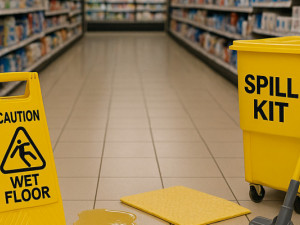
Rail depots, sidings and trackside work sites bring fluid-handling problems into places where access, electrical equipment and moving vehicles can make response difficult. A spill plan needs to work not only inside a maintenance shed but also during possessions, overnight work and remote inspections.
Map risks by loc..
0
1712
Last reviewed: 13 November 2026
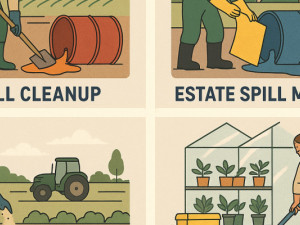
Supermarkets and cold stores encounter spills from more than broken bottles. Leaking chilled products, melting ice, defrost drainage, machinery oils and cleaning liquids can all affect customer routes or staff working in loading and storage areas. They need proportionate controls rather than a single response for eve..
0
1443
Last reviewed: 13 November 2026
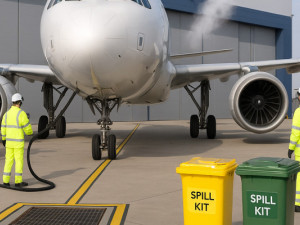
Farms, estates, nurseries and glasshouses often store fuel, lubricants, fertilisers and plant protection products in the same general area. The materials may all be liquids, but they do not share the same storage, handling or clean-up requirements.
Separate the main types of spill
Diesel and hydraulic oil can leak du..
0
1705
Last reviewed: 13 November 2026
Aircraft maintenance and airport operations bring together jet fuel, hydraulic fluids, lubricants, cleaning chemicals and de-icing products. A small hangar leak may be manageable with routine spill equipment; an apron fuel release or uncontrolled de-icing run-off may need a very different response.
Match the controls..
0
1500
Last reviewed: 13 November 2026
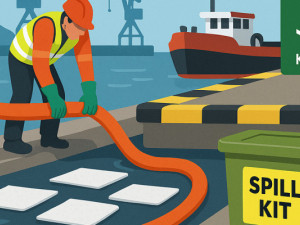
A drip of hydraulic oil on a quayside and a fuel sheen spreading across a harbour require different responses. Both can threaten the marine environment, but not every incident is suitable for ordinary workshop absorbents or a local clean-up team.
Understand the common sources of pollution
Look closely at refuelling p..
0
1396
Last reviewed: 13 November 2026
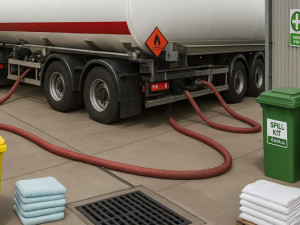
A fuel delivery hose that leaks while a tanker is unloading can put a depot under pressure in seconds. The most effective response starts before delivery: sound connections, controlled transfer points, accessible shut-off arrangements and a clear understanding of where the liquid could flow.
Identify the places most ..
