
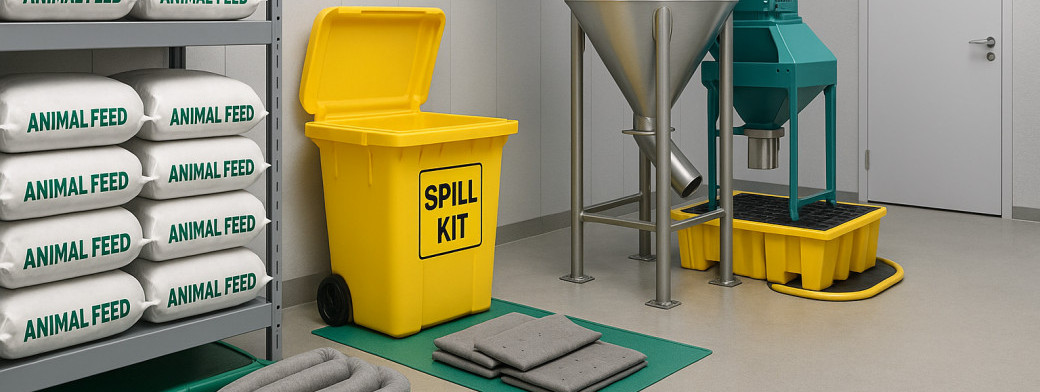
Introduction to Spill Management in Animal Feed Manufacturing
Spill management refers to the processes and procedures implemented to prevent, control, and mitigate the effects of spills in various industries, including animal feed manufacturing. Effective spill management is crucial in this sector due to the potential risks associated with spills of various materials such as oils, molasses, and additives. These substances not only pose a hazard to the environment but can also compromise the safety and quality of animal feed products.
The importance of effective spill management cannot be overstated. In the animal feed manufacturing sector, spills can lead to significant financial losses, regulatory penalties, and damage to the company’s reputation. Furthermore, spills can result in contamination of feed products, which may endanger animal health and subsequently impact food safety for humans. Therefore, implementing robust spill management strategies is essential for ensuring compliance with feed hygiene requirements and maintaining high safety standards.
Types of Spills
In the animal feed manufacturing industry, there are several types of spills that can occur, notably:
- Oils: Used in various formulations, oil spills can lead to hazardous conditions and require immediate attention to prevent further issues.
- Molasses: This sticky substance can create slippery surfaces and attract pests, necessitating swift management to avoid contamination.
- Additives: Various chemicals and nutrients used in animal feed can pose risks if spilled, making containment and clean-up critical.
Key Challenges in Spill Management
Spill management in the animal feed manufacturing sector presents several challenges that can significantly impact both product quality and regulatory compliance. Understanding these challenges is crucial for manufacturers aiming to maintain high standards and ensure safety throughout their operations.
Types of Materials That Can Spill
In the animal feed manufacturing process, various materials are prone to spills, with oils, molasses, and additives being the most common. Oils are frequently used in feed formulations to enhance energy content, while molasses serves as a binding agent and sweetener. Additives, including vitamins and minerals, are critical for nutritional balance but can be hazardous if spilled. Each of these materials poses unique risks and requires specific management strategies to mitigate potential impacts.
Impact of Spills on Product Quality and Safety
Spills can lead to significant degradation of product quality. For instance, oil spills can result in rancidity, while molasses spills may promote microbial growth, jeopardising the safety of the feed. Contaminated feed not only affects animal health but can also pose risks to human food safety, leading to broader implications for the food chain. Therefore, effective spill management is essential in maintaining the integrity of the feed and ensuring compliance with relevant safety standards, as highlighted in the Feed Hygiene Requirements.
Regulatory Compliance Challenges
Compliance with regulatory standards is another significant challenge in spill management. The animal feed sector is governed by strict regulations, including those outlined by the Food Standards Agency. Manufacturers must ensure that their spill management practices align with these regulations to avoid penalties and maintain their operational licenses. Additionally, staying updated with evolving guidelines can be daunting, making it essential for businesses to invest in training and resources focused on regulatory compliance and quality control.
Effective Spill Management Strategies
In the animal feed manufacturing sector, effective spill management is crucial to ensure safety, compliance, and product integrity. This section outlines practical strategies for managing spills, focusing on preventative measures, emergency response plans, and the importance of staff training.
Preventative Measures
Preventing spills before they occur is the first line of defence in spill management. Here are some effective preventative measures:
- Regular Maintenance: Conduct routine checks on equipment and storage facilities to identify wear and tear that could lead to leaks or spills.
- Proper Storage: Ensure that all liquids, including oils and molasses, are stored in secure containers that are appropriately labelled and designed to prevent leaks.
- Spill Containment Systems: Install spill containment systems, such as bunds and drip trays, around storage areas to capture any accidental spills.
- Risk Assessments: Carry out comprehensive risk assessments to identify potential spill hazards and implement measures to mitigate these risks.
Emergency Response Plans
An effective emergency response plan is vital for minimising the impact of spills when they do occur. Key elements of an emergency response plan include:
- Clear Procedures: Develop and document clear procedures for responding to spills, including immediate actions to take, reporting protocols, and cleanup processes.
- Access to Resources: Ensure that spill response kits are easily accessible and stocked with the necessary materials to contain and clean up various types of spills, including oils and chemical additives.
- Regular Drills: Conduct regular drills to test the effectiveness of the emergency response plan and ensure that all staff are familiar with their roles during a spill incident.
- Coordination with Local Authorities: Establish communication with local environmental agencies and emergency services to ensure a coordinated response in case of a significant spill.
- Emergency Planning Resources: Utilise resources that provide guidance on developing and implementing emergency plans tailored to the specific needs of animal feed manufacturing.
Training Staff on Spill Management
Well-trained staff are essential for effective spill management. Training should encompass:
- Spill Awareness: Educate employees about the types of materials they may encounter, such as oils and molasses, and the potential hazards associated with each.
- Proper Handling Techniques: Train staff on proper handling techniques to minimise the risk of spills during normal operations.
- Response Training: Provide spill response training to ensure that employees know how to act quickly and efficiently in the event of a spill. For comprehensive training options, consider specialised spill response training.
- Ongoing Education: Implement ongoing training sessions to keep staff updated on best practices and any changes to regulations related to animal feed hygiene and safety.
By implementing these effective spill management strategies, animal feed manufacturers can significantly reduce the risk of spills, ensure compliance with feed hygiene requirements, and protect both their employees and the environment.
Case Studies of Successful Spill Management
In the animal feed manufacturing sector, effective spill management is critical to ensure product safety and compliance with hygiene standards. Below are two case studies that illustrate successful spill management strategies in action.
Case Study 1: Oil Spill Response
In a mid-sized animal feed manufacturing facility, an unexpected oil spill occurred during the maintenance of machinery. The company had previously implemented a spill response plan that included designated spill kits, training for employees, and immediate reporting protocols. Upon discovering the spill, the trained personnel quickly activated the response plan. They utilized absorbent materials from the spill kits to contain the oil and prevent it from reaching any drainage systems.
Within hours, the site was cleaned up, and the contaminated materials were disposed of in accordance with local regulations. The company reported no impact on production and minimal downtime. This case highlights the importance of having a proactive spill response strategy and trained personnel, which can significantly mitigate the risks associated with oil spills in animal feed manufacturing.
Case Study 2: Molasses Management
Another facility faced challenges with managing molasses, which is used as an additive in animal feed. During a routine transfer, a hose malfunction caused a significant spillage. The facility had installed a secondary containment system around the molasses storage area, which effectively captured most of the spilled product. The team quickly mobilised to clean the area, using a combination of absorbents and vacuum systems to ensure that no residue remained.
This incident prompted the facility to review and improve their hose maintenance protocols and to conduct regular inspections of their containment systems. The lessons learned from this case emphasise the necessity of having robust containment measures and the importance of regular maintenance checks to prevent future spills.
Lessons Learned
From these case studies, several key lessons emerge:
- Proactive Planning: A well-defined spill response plan is essential for quick and effective action.
- Training: Regular training for employees ensures that everyone knows their roles in the event of a spill.
- Preventative Measures: Implementing secondary containment and regular equipment maintenance can significantly reduce the likelihood of spills.
For more detailed case studies and insights into effective spill management, visit Serpro Case Studies. Additionally, industry experts provide valuable information on spill management strategies at Serpro Industry Experts.
For further guidance on animal feed manufacturing regulations and hygiene requirements, consult the Food Standards Agency’s animal feed guidance hub and their feed hygiene requirements.
Conclusion and Future Directions
Effective spill management is crucial in the animal feed manufacturing sector, where the risk of contamination can have significant repercussions on animal health and food safety. Proper handling of spills involving oils, molasses, and additives not only safeguards the integrity of feed products but also protects the environment and complies with regulatory standards. As highlighted throughout this article, implementing robust spill management strategies is essential for maintaining operational efficiency and ensuring compliance with feed hygiene requirements.
Future Trends in Spill Management
Looking ahead, the industry is likely to see advancements in spill management technologies, including automated spill detection systems and enhanced training programs for staff. Emphasis will be placed on sustainability, with a focus on biodegradable absorbents and eco-friendly clean-up methods. Furthermore, as regulations evolve, staying informed about future trends in spill management will be vital for compliance and operational excellence.
Call to Action for Industry Stakeholders
We urge industry stakeholders to prioritise spill management in their operational protocols. Investing in training, technology, and best practices will not only mitigate risks but also enhance the overall quality of animal feed products. For additional resources and guidance, please visit the industry resources page, which offers insights into maintaining high standards in the animal feed sector.