
Introduction to Spill Management in Food Packaging Manufacturing
In the context of food packaging manufacturing, a spill refers to any unintended release of materials such as inks, adhesives, oils, and other hazardous substances that may come into contact with food products. These spills pose significant risks not only to product quality but also to consumer safety, making effective spill management crucial in this industry.
The importance of spill management cannot be overstated. In an environment where food safety is paramount, spills can lead to contamination, resulting in health hazards for consumers and substantial financial losses for manufacturers. Implementing robust spill control measures helps ensure compliance with food safety regulations and protects the integrity of the production process. Moreover, it fosters a culture of safety and responsibility within the workplace.
Food packaging manufacturers are subject to a range of regulations aimed at ensuring the safety and hygiene of food contact materials. The UK’s Health and Safety Executive (HSE) provides guidance on managing hazardous substances, particularly in the printing industry, where the use of solvent-borne inks and cleaning agents is common. For more detailed information on these regulations, you can refer to the HSE’s COSHH guidance for the printing industry and their COSHH Essentials for printing.
To support effective spill management, manufacturers should invest in appropriate spill kits and adhere to strict hygiene protocols. This includes maintaining proper hygiene zoning to prevent cross-contamination and ensuring that all employees are trained in spill response procedures.
Types of Spills in Food Packaging Manufacturing
Ink Spills
Inks are a critical component in food packaging manufacturing, responsible for providing essential branding and product information. However, ink spills can pose significant challenges. These spills may occur during the printing process, whether due to equipment malfunctions or operator errors. The volatile organic compounds (VOCs) present in many inks can lead to hazardous situations, impacting both worker safety and food safety compliance. For detailed information on the types of inks used in food packaging, visit Serpro Inks. It is crucial to have robust spill management protocols in place to contain and clean up ink spills swiftly, minimising cross-contamination risks.
Adhesive Spill Scenarios
Adhesives play a vital role in the integrity of food packaging, ensuring that products remain sealed and safe. Adhesive spills can occur during the application process, particularly when using automated machinery or manual application techniques. A common scenario involves excessive adhesive being dispensed, which can lead to not only waste but also potential contamination of food products. For best practices on adhesive management, refer to Serpro Adhesives. Effective training for staff on the correct application techniques and spill response procedures is essential to mitigate risks associated with adhesive spills.
Oil Spills and Their Implications
Oil spills in food packaging manufacturing can arise from machinery lubrication or accidental spills during maintenance activities. These spills pose serious implications, as oils can compromise the safety and integrity of the packaging material. Furthermore, oil contamination can lead to product recalls and significant financial losses. The Health and Safety Executive (HSE) provides guidance on managing hazardous substances, including oils, which is critical for compliance with food safety regulations. For more information on managing hazardous substances in the printing industry, visit the HSE's COSHH Essentials for Printing page. Implementing effective spill control measures is necessary to ensure a safe working environment and protect food safety standards.
Best Practices for Spill Management
Effective spill management in food packaging manufacturing is crucial for maintaining compliance with food safety regulations and ensuring a safe working environment. Below are actionable best practices that can significantly enhance spill management protocols.
Immediate Response Protocols
When a spill occurs, swift action is essential to mitigate risks. Establish a clear immediate response protocol that includes the following steps:
- Assess the situation: Determine the type and extent of the spill, especially if it involves inks, adhesives, or oils.
- Contain the spill: Use appropriate absorbents or barriers to prevent the spill from spreading, particularly in areas that could affect hygiene zoning.
- Notify relevant personnel: Inform team members and supervisors immediately to ensure a coordinated response.
- Clean up safely: Use suitable personal protective equipment (PPE) and follow established cleaning procedures, referencing HSE guidelines for hazardous substances.
Preventative Measures
Implementing preventative measures can significantly reduce the likelihood of spills. Consider the following strategies:
- Regular maintenance: Conduct routine inspections and maintenance of machinery to prevent leaks of oils or adhesives.
- Proper storage: Store inks and chemicals in designated areas with secondary containment to prevent accidental spills.
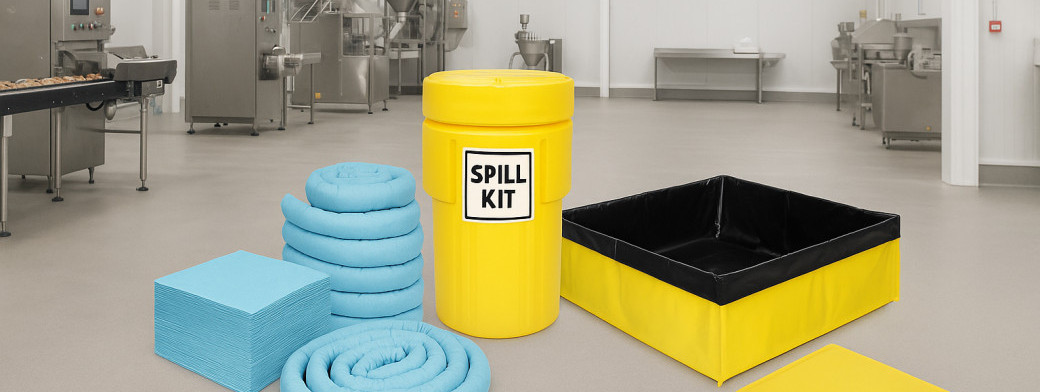
- Use spill kits: Ensure that spill kits are readily available throughout the facility, stocked with appropriate materials for the substances used in the manufacturing process. For a range of spill management products, visit Serpro’s spill management products.
Training and Awareness
Educating staff about spill management is vital. Implement a comprehensive training programme that includes:
- Spill response training: Regularly train employees on the immediate response protocols and the correct use of spill kits.
- Understanding hazards: Provide information on the potential hazards associated with inks, adhesives, and oils, as outlined in COSHH Essentials for printing.
- Hygiene zoning awareness: Ensure all staff understand the importance of hygiene zoning and how spills can compromise food safety.
By following these best practices, food packaging manufacturers can effectively manage spills, ensuring compliance with food safety regulations while promoting a safe working environment.
The Role of Hygiene Zoning in Spill Management
Hygiene zoning is a critical practice in food packaging manufacturing that involves the strategic division of production areas into distinct zones based on cleanliness and contamination risk. This method helps to minimise the risk of cross-contamination, particularly in environments where inks, adhesives, and oils are used. By implementing hygiene zoning, manufacturers can effectively manage spills and enhance overall food safety.
Understanding Zoning Strategies
There are several zoning strategies that can be employed in food packaging facilities:
- Clean Zones: Areas designated for processes that require the highest level of hygiene, such as packaging of food products. These zones should be kept free from potential contaminants, including spills from inks and adhesives.
- Controlled Zones: These areas allow for some level of contamination but still require strict monitoring. For instance, zones where machinery is operated might allow for the presence of oils but must still have measures in place to prevent spills from affecting clean zones.
- Dirty Zones: Areas that handle waste or materials that pose a higher risk of contamination. These should be isolated from clean and controlled zones to prevent any accidental cross-contamination.
Impact on Spill Control
Implementing effective hygiene zoning significantly impacts spill control measures within food packaging manufacturing. By clearly defining zones, companies can tailor their spill response strategies to the level of risk associated with each area. For example, in clean zones, spill kits should contain only non-toxic cleaning agents that comply with food safety regulations, while controlled zones may utilise a broader range of cleaning products.
Moreover, hygiene zoning facilitates better training and awareness among staff regarding the specific hazards associated with each zone. Employees can be educated on the proper procedures for managing spills, including the immediate actions to take and the appropriate personal protective equipment (PPE) to use, which is essential in safeguarding against potential exposure to hazardous substances as outlined in the HSE COSHH framework.
For more information on hygiene zoning products that can assist in managing spills effectively, visit Serpro Hygiene Zoning Products.
Compliance with Food Safety Standards
In the food packaging manufacturing sector, compliance with food safety standards is not merely a regulatory requirement; it is a fundamental aspect of operational integrity. Key standards such as the HSE’s COSHH guidelines for the printing industry outline essential practices for managing potentially hazardous substances like inks, adhesives, and oils. These regulations are designed to ensure that the materials used in packaging do not compromise food safety.
Overview of Relevant Food Safety Standards
Food safety regulations, including the Food Safety Act 1990 and the Food Hygiene (England) Regulations 2013, mandate that all materials in contact with food must be safe and hygienic. The regulations require manufacturers to demonstrate that packaging materials are free from harmful substances and contamination. Compliance with these standards is critical, as they encompass a range of practices, including spill management, to mitigate risks associated with hazardous materials.
Consequences of Non-Compliance
Failure to adhere to food safety standards can lead to severe consequences, including product recalls, legal repercussions, and damage to a company's reputation. Non-compliance can result in contamination of food products, posing health risks to consumers. Additionally, regulatory bodies may impose fines or sanctions, which could significantly impact the financial stability of a food packaging manufacturer.
Best Practices for Compliance
To align spill management practices with food safety regulations, manufacturers should implement the following best practices:
- Regular Training: Conduct regular training sessions for staff on spill management and compliance with food safety regulations. Understanding the importance of hygiene zoning and spill containment can significantly reduce the risk of contamination.
- Spill Kits: Equip the facility with appropriate spill kits specifically designed for inks, adhesives, and oils. These kits should be easily accessible and regularly maintained to ensure effectiveness in case of an incident.
- Hygiene Zoning: Establish clear hygiene zones within the manufacturing facility to prevent cross-contamination. Ensure that areas where spills are likely to occur are distinct from food handling areas, following best practices outlined in the Food Safety Products.
- Regular Audits: Conduct routine audits to assess compliance with food safety standards and the effectiveness of spill management practices.
By prioritising compliance with food safety regulations and implementing robust spill management practices, food packaging manufacturers can protect consumer health and maintain the integrity of their products.
Conclusion and Call to Action
Effective spill management is crucial in the food packaging manufacturing sector, particularly when dealing with inks, adhesives, and oils. Not only does proper spill control protect the environment and workplace safety, but it is also essential for maintaining compliance with food safety regulations. The implications of inadequate spill management can lead to contamination and serious health risks, making it imperative for manufacturers to prioritise these practices.
We encourage all stakeholders in the food packaging industry to implement best practices for spill management. This includes regular training for staff, ensuring the availability of appropriate spill kits, and adhering to hygiene zoning protocols. By taking proactive measures, you can significantly reduce the risk of spills and ensure that your operations align with both health and safety standards and food safety regulations.
For further guidance, we recommend consulting the HSE's COSHH guidance for the printing industry and their COSHH Essentials for printing for detailed control measures. Additionally, explore our range of hygiene products to support your spill management efforts.
By being proactive and informed, you can create a safer, more efficient workplace that upholds the highest standards of food safety.