
Introduction to Spill Response in Battery and E-Waste Recycling
The recycling of batteries and electronic waste (e-waste) is a vital process in managing the increasing volume of hazardous materials in our society. During these recycling processes, batteries are disassembled, and valuable materials are recovered, often involving the handling of hazardous substances such as electrolytes, solvents, and various mixed waste liquids. However, these processes also present significant risks, as spills can lead to environmental contamination and health hazards for workers.
Effective spill response strategies are essential in mitigating these risks. Statistics indicate that spills are a common occurrence in recycling facilities, with a notable percentage leading to serious incidents. According to the Health and Safety Executive (HSE), improper handling and storage of hazardous substances can result in significant accidents, underscoring the need for robust spill management protocols (HSE – COSHH). The implications of these spills extend beyond immediate safety concerns; they can also result in regulatory repercussions as outlined in the GOV.UK – Waste Environmental Permits, which mandate proper waste handling and spill response measures.
Consequently, investing in comprehensive spill response training and equipment is not only a legal requirement but also a moral responsibility for recycling facilities. This ensures the safety of employees and the surrounding community while protecting the environment from potential contamination.
For effective spill management solutions, consider exploring our dedicated resources on spill management and safety equipment.
Understanding the Risks: Battery Electrolytes and Mixed Waste Liquids
In the realm of battery and e-waste recycling, it is crucial to comprehend the specific risks associated with battery electrolytes, solvents, and mixed waste liquids. These materials often contain hazardous substances that pose significant health and environmental risks if not managed properly.
Chemical Composition of Battery Electrolytes
Battery electrolytes typically consist of a mixture of solvents and salts, such as lithium salts in lithium-ion batteries or sulfuric acid in lead-acid batteries. These components can be highly corrosive or toxic, depending on their concentration and composition. For example, lithium-ion batteries may contain volatile organic compounds (VOCs) that can evaporate and contribute to air pollution, while lead-acid batteries contain heavy metals that can leach into the environment if spilled.
Health Risks Associated with Exposure
Exposure to battery electrolytes and mixed waste liquids can result in a variety of health issues. Inhalation of vapours or direct skin contact can lead to respiratory problems, skin burns, and other serious health conditions. According to the Health and Safety Executive (HSE), it is essential to implement stringent control measures to mitigate these risks during processing and clean-up activities. Prolonged exposure can lead to chronic conditions, highlighting the importance of immediate spill response.
Environmental Impacts of Spills
Spills of battery electrolytes and mixed waste liquids can have devastating effects on the environment. Contaminated soil and water bodies can result in irreversible damage to local ecosystems. Heavy metals and toxic chemicals can bioaccumulate in wildlife, leading to broader ecological consequences. The Dangerous Substances and Explosive Atmospheres Regulations (DSEAR) highlight the need for proper handling and storage of these materials to prevent accidental releases that could harm the environment.
In conclusion, understanding the risks associated with battery electrolytes and mixed waste liquids is essential for effective spill response in recycling facilities. By prioritising safety and adhering to regulatory guidelines, facilities can significantly reduce the potential health and environmental impacts.
Effective Spill Management Techniques
Spill response in battery and e-waste recycling facilities is critical due to the potential hazards associated with battery electrolytes, solvents, and mixed waste liquids. Implementing effective spill management techniques is essential for ensuring safety and minimising environmental impact.
Use of Chemical Absorbents
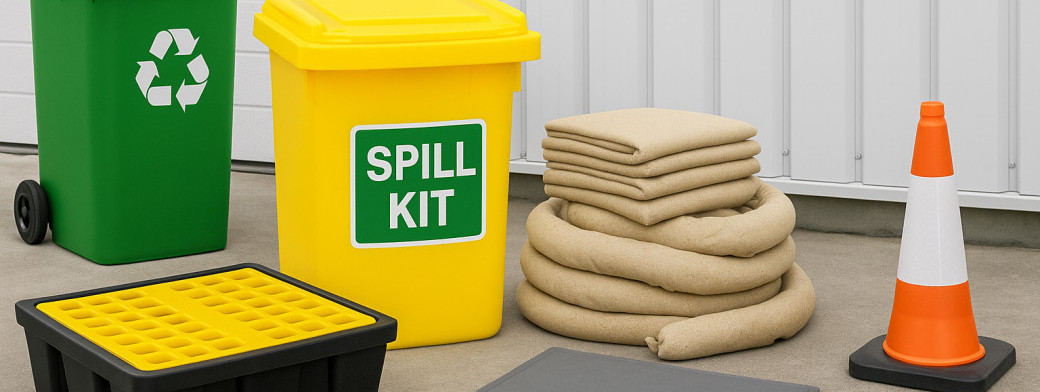
Chemical absorbents are a vital component in managing spills effectively. These materials are designed to soak up liquids, preventing them from spreading and reducing the risk of contamination. Depending on the nature of the spill, it is crucial to select the appropriate type of absorbent. For instance, chemical absorbents specifically formulated for hazardous substances should be used when dealing with battery electrolytes or solvents. This ensures that the spill is contained swiftly and effectively, adhering to safety regulations outlined by the HSE – COSHH guidelines.
Containment Methods
Containment is a critical first step in spill management. It involves creating barriers to prevent the spill from spreading further. This can be achieved through the use of spill kits, which typically include absorbent booms, pads, and barriers. Facilities should have designated containment areas equipped with these kits, ensuring quick access in case of an emergency. Furthermore, regular training for staff on how to deploy these containment strategies can significantly enhance response times and effectiveness.
Decontamination Processes
Once a spill has been contained, the next step is decontamination. This involves cleaning the affected area thoroughly to remove any residual hazardous materials. Decontamination processes may include washing surfaces with appropriate cleaning agents that neutralise the chemicals involved. It is essential to follow the HSE – Dangerous Substances and Explosive Atmospheres Regulations (DSEAR) to ensure that any cleaning methods employed do not pose additional risks, particularly in fire-adjacent areas.
Moreover, personnel involved in the clean-up must utilise personal protective equipment (PPE) to safeguard against exposure to hazardous substances. This includes gloves, goggles, and respiratory protection as necessary. After the decontamination process, all waste materials must be disposed of in compliance with relevant regulations, such as those set out by GOV.UK – Waste Environmental Permits, to ensure proper handling of hazardous waste.
In conclusion, effective spill management techniques are crucial in recycling facilities dealing with batteries and e-waste. By utilising chemical absorbents, implementing robust containment methods, and following thorough decontamination processes, facilities can mitigate risks and protect both personnel and the environment.
Safety Measures for Fire-Adjacent Risks
In battery and e-waste recycling facilities, the presence of flammable materials necessitates robust fire prevention strategies. Facilities must implement comprehensive measures to mitigate the risk of fire, particularly when handling battery electrolytes and mixed waste liquids. This includes ensuring proper storage of hazardous materials in compliant containers and maintaining clear access to fire exits and extinguishers.
Fire Prevention Strategies
To reduce the likelihood of fires, recycling facilities should adopt a multifaceted approach. Regular inspections and maintenance of machinery, along with the use of flame-retardant materials, can significantly lower fire risks. Furthermore, implementing a strict housekeeping protocol ensures that combustible waste is regularly removed from the premises, minimising potential ignition sources.
Emergency Response Plans
Every recycling facility must develop and maintain an emergency response plan tailored to the specific hazards present. This plan should outline procedures for responding to fires, including evacuation protocols, communication strategies, and the roles of staff during an emergency. Regular drills should be conducted to ensure that all personnel are familiar with these procedures, thereby enhancing overall safety.
Training for Staff
Staff training is crucial in managing fire-adjacent risks. Employees should receive comprehensive training on the properties of hazardous materials they handle, including the potential fire hazards associated with battery electrolytes and solvents. Training should also cover the proper use of personal protective equipment (PPE) and fire extinguishing equipment. Ongoing education ensures that all staff members are up-to-date on safety practices and emergency procedures, promoting a culture of safety within the facility.
For more information on managing hazardous substances in the workplace, refer to the HSE’s COSHH guidelines. Following these guidelines not only helps in compliance with regulations but also significantly enhances the safety of recycling operations.
Handling Hazardous Waste: Best Practices
In the realm of battery and e-waste recycling, the safe handling of hazardous waste is paramount. Compliance with regulatory frameworks, such as the Waste Environmental Permits, is essential to ensure that recycling operations meet legal standards and protect both workers and the environment.
Regulatory Compliance
Understanding and adhering to regulations, such as the Control of Substances Hazardous to Health (COSHH), is critical for recycling facilities. These guidelines dictate the safe management of hazardous substances, including proper storage, handling, and disposal practices. Companies must regularly assess their operations to ensure compliance with these regulations to mitigate risks associated with hazardous waste.
Personal Protective Equipment (PPE)
Workers must be equipped with appropriate Personal Protective Equipment (PPE) to safeguard against exposure to hazardous materials. This includes gloves, goggles, face shields, and respiratory protection, particularly when handling battery electrolytes and solvents. Regular training on the correct use of PPE is vital to foster a culture of safety within the workplace.
Waste Disposal Protocols
Implementing robust waste disposal protocols is crucial for managing hazardous waste effectively. Facilities should establish clear procedures for the segregation of different types of waste, ensuring that hazardous materials are stored in designated containers. These containers should be clearly labelled and compliant with local regulations to prevent cross-contamination. Furthermore, recycling centres must work closely with licensed waste carriers to ensure that hazardous waste is disposed of in accordance with the law.
For more information on hazardous waste management, visit our dedicated page on hazardous waste.
Conclusion
By prioritising regulatory compliance, utilising appropriate PPE, and adhering to stringent waste disposal protocols, battery and e-waste recycling facilities can effectively manage hazardous waste, ensuring the safety of their operations and the environment.
Conclusion and Call to Action
In conclusion, effective spill response strategies are crucial for the safe and responsible recycling of batteries and e-waste. Given the potential hazards associated with battery electrolytes, solvents, and mixed waste liquids, it is imperative for recycling facilities to prioritise spill management protocols. By doing so, facilities not only protect their workers and the environment but also comply with regulations such as COSHH and DSEAR.
We encourage all recycling facilities to regularly review their safety protocols and ensure that all staff are trained in spill response techniques. This includes familiarisation with the use of chemical absorbents and understanding the risks posed by fire-adjacent materials. The implementation of these strategies can significantly mitigate risks and enhance operational safety.
For further assistance in developing or enhancing your spill response strategies, please do not hesitate to reach out. Contact us through our contact page for expert advice and support.