
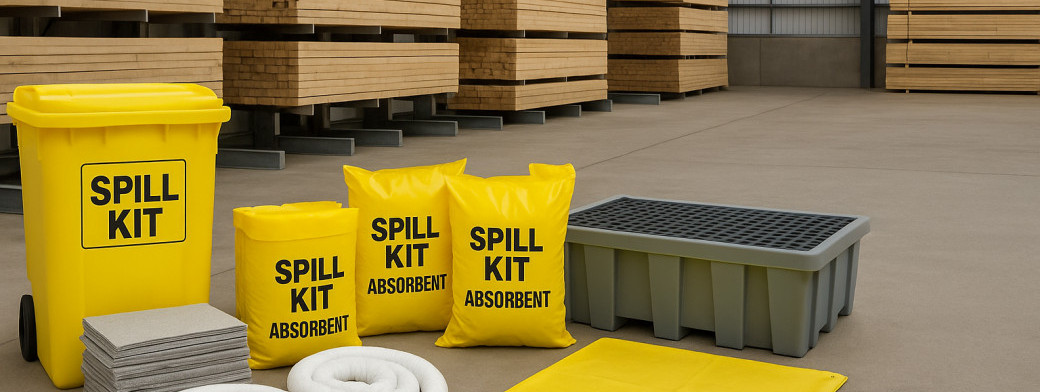
Introduction to Spill Response in Timber & Wood Processing Facilities
In the context of timber and wood processing facilities, a spill refers to the unintended release of liquids such as oils, resins, adhesives, preservatives, and hydraulic fluids. These substances, while integral to the production and processing of wood products, pose significant risks to both health and the environment when they are not managed properly. Therefore, an effective spill response strategy is crucial for maintaining safety standards and mitigating potential hazards.
The importance of spill response cannot be overstated. A well-planned and executed response can prevent injuries, reduce environmental damage, and protect the facility's assets. In addition, regulatory compliance is essential; failure to manage spills appropriately can lead to legal repercussions and financial penalties. According to the Health and Safety Executive (HSE), the woodworking industry faces unique challenges, including slips, trips, and the presence of hazardous substances, which can exacerbate the risks associated with spills.
Common substances involved in spills within timber and wood processing facilities include various types of oils used in machinery, synthetic and natural resins, adhesives that bond wood products, preservatives that protect against decay, and hydraulic fluids needed for equipment operation. Each of these substances has specific properties and risks, necessitating tailored spill response strategies to effectively manage their impact.
Types of Spills in Timber & Wood Processing
Timber and wood processing facilities are bustling environments where various materials are used to enhance the quality and durability of wood products. However, these facilities are also prone to spills that can pose significant risks to both safety and the environment. Understanding the types of spills that may occur is crucial for effective spill response strategies. Below, we categorise the most common types of spills encountered in timber and wood processing operations.
Oils
Oils are frequently used in timber processing for lubrication and maintenance of machinery. Spills can occur from equipment leaks or improper handling during refuelling. Given the slippery nature of oils, they can create hazardous conditions, leading to slip and fall accidents. For more information on managing oil spills, refer to this resource.
Resins
Resins are often used in the manufacturing of composite wood products. These materials can be sticky and difficult to clean up, making spills particularly troublesome. The presence of resins can also increase fire risk, as many types are flammable. Proper containment and swift clean-up are vital to mitigate hazards associated with resin spills.
Adhesives
Adhesives are essential for bonding wood components together. However, spills can occur during application or storage. Many adhesives contain hazardous chemicals that can pose health risks to workers if not managed correctly. It is important to follow COSHH guidelines to ensure safe handling and spill response.
Preservatives
Wood preservatives are used to protect timber from decay and insect damage. These chemicals can be toxic and require careful management. Spills can lead to environmental contamination and health risks for employees. Facilities must implement strict protocols for the storage and handling of preservatives to prevent spills and ensure compliance with safety regulations.
Hydraulic Fluids
Hydraulic systems are common in timber processing machinery. Hydraulic fluids are essential for operation but can pose significant risks if spilled. These fluids can be hazardous to both health and the environment, and their presence can create slippery surfaces, increasing the risk of accidents. Effective spill response measures should be in place to manage hydraulic fluid spills promptly.
By understanding the types of spills that can occur in timber and wood processing facilities, operators can develop targeted spill response strategies to protect both employees and the environment. Awareness and preparedness are key components in maintaining a safe working environment.
Effective Spill Response Strategies
Timber and wood processing facilities face unique challenges when it comes to spill response, particularly due to the presence of oils, resins, adhesives, preservatives, and hydraulic fluids. Implementing effective spill response strategies is crucial not only for environmental protection but also for ensuring the safety of workers and minimising fire risks.
Immediate Response Protocols
When a spill occurs, immediate action is essential. Workers should be trained to recognise the type of substance spilled and to assess the potential risks associated with it. The first step is to alert colleagues and, if necessary, evacuate the area. Contacting emergency services or spill response teams should be done promptly. It is important to have a clear spill response plan in place that details the specific actions to be taken for different types of spills.
Containment Methods
Containment is a critical aspect of spill response. Using barriers such as absorbent booms or pads can help prevent the spread of hazardous substances. For spills involving hydraulic fluids or oils, ensuring that the containment measures are suitable for the specific chemical properties is vital. In dusty environments typical of wood processing facilities, it is important to select absorbents that effectively control dust while also being compatible with the spilled substances. Regular training on the use of these materials is recommended.
Cleanup Procedures
Once the spill is contained, the cleanup process can begin. The selection of absorbents should be based on the nature of the spill—whether it is a liquid or a semi-solid—and the specific characteristics of the material. For instance, oil spills may require oil-specific absorbents, while resin spills may need materials that can bond with the adhesive properties of the resin. Following cleanup, proper disposal of contaminated materials is crucial, adhering to local environmental regulations. For more detailed guidance on handling hazardous substances in woodworking, refer to HSE’s COSHH Essentials for Woodworking.
In conclusion, effective spill response strategies in timber and wood processing facilities involve well-defined immediate response protocols, robust containment methods, and thorough cleanup procedures. These strategies are vital for maintaining safety and compliance within the workplace.
Fire Risks Associated with Spills
Timber and wood processing facilities often handle a variety of substances, including oils, resins, adhesives, preservatives, and hydraulic fluids. Many of these materials have significant flammability risks, which can pose serious threats to both personnel and property in the event of a spill. Understanding the flammability of these substances is crucial for maintaining safety standards within the facility.
Flammability of Substances
Substances such as oils and adhesives can ignite easily, especially when they come into contact with heat sources or open flames. The presence of dust, a common by-product in wood processing, can exacerbate fire risks by creating combustible dust clouds. The HSE woodworking guidance provides insights into managing these risks effectively.
Preventive Measures
To mitigate fire risks, it is essential to implement robust preventive measures. This includes regular training for staff on the proper handling and storage of flammable materials, as well as the installation of adequate fire suppression systems. Regular inspections should be conducted to ensure that all safety equipment is in working order and to identify potential hazards before they lead to an incident. Furthermore, keeping work areas free from excessive dust and clutter can significantly reduce the chance of a fire igniting. For more information on fire safety protocols, visit Serpro Fire Safety.
Emergency Response Planning
Having a comprehensive emergency response plan is vital for addressing spill incidents swiftly and effectively. This plan should outline the specific steps to be taken in the event of a spill, including evacuation procedures, communication protocols, and containment strategies. Regular drills should be conducted to ensure that all staff are familiar with the plan and can act quickly in an emergency. For additional guidance on managing hazardous substances, refer to the HSE COSHH Essentials resource.
In conclusion, the risks associated with spills in timber and wood processing facilities must be taken seriously. By understanding the flammability of the substances used, implementing preventive measures, and establishing a solid emergency response plan, facilities can significantly reduce the likelihood of fire incidents and ensure a safer working environment.
Slip Control Measures in Dusty Environments
In timber and wood processing facilities, maintaining safety is paramount, especially when spills occur in conjunction with dust. Slip hazards can be exacerbated by the presence of oils, resins, adhesives, preservatives, and hydraulic fluids, necessitating effective control measures to mitigate risks.
Utilising Slip-Resistant Materials
One of the foremost strategies in slip control is the installation of slip-resistant materials in high-traffic areas where spills are likely to occur. These materials can significantly reduce the likelihood of slips by providing better traction underfoot. It is essential to assess the flooring materials regularly and consider the use of mats or coatings specifically designed for slip resistance.
Implementing Regular Cleaning Protocols
Establishing regular cleaning protocols is crucial for managing both dust and spills. Facilities should develop a cleaning schedule that includes prompt removal of any spills, as well as routine dust control measures. This can involve the use of vacuum systems or damp mopping to limit airborne dust and reduce slip risks. The cleaning agents employed should also be chosen carefully to avoid further hazards, complying with COSHH guidelines to ensure safe usage.
Training for Staff
Training staff on appropriate spill response and slip hazard recognition is vital. Employees should be well-versed in the procedures for dealing with spills, including the use of absorbent materials and the importance of reporting hazards immediately. Regular training sessions can reinforce the significance of maintaining a clean and safe working environment. Additionally, staff should be educated about the potential consequences of slips and the importance of adhering to safety protocols. For more comprehensive resources, refer to HSE woodworking industry guidance.
By integrating these strategies, timber and wood processing facilities can significantly enhance their slip control measures, ensuring a safer working environment for all employees.
Selecting the Right Absorbents for Spills
Effective spill response in timber and wood processing facilities hinges on the selection of appropriate absorbents tailored to the specific materials involved. The types of absorbents available can broadly be categorized into three main groups: natural absorbents, synthetic absorbents, and inorganic absorbents.
Types of Absorbents
- Natural Absorbents: These include materials such as sawdust, peat moss, and straw. They are biodegradable and often readily available in woodworking environments. However, their effectiveness can be limited by moisture levels and they may not be suitable for all types of spills.
- Synthetic Absorbents: These products, such as polypropylene mats and pads, are designed to absorb a wide range of liquids, including oils and chemicals. They are highly effective but may not be environmentally friendly.
- Inorganic Absorbents: Materials like clay and zeolite can effectively manage spills of oils and chemicals. They are durable and can be reused, making them a cost-effective option.
Considerations for Dusty Environments
In timber processing facilities, dust is a common issue that can complicate spill response efforts. When selecting absorbents, it is crucial to consider their interaction with dust. For instance, using lightweight absorbents in a dusty environment may lead to airborne particles that can pose respiratory risks to workers. Therefore, it is advisable to choose heavier absorbents that remain in place and do not exacerbate dust issues.
Storage and Disposal of Absorbents
Proper storage and disposal of absorbents are essential to maintaining safety and compliance in timber processing facilities. Absorbents should be stored in a cool, dry place, away from direct sunlight and potential contaminants. Designated storage bins marked clearly can help prevent cross-contamination. When it comes to disposal, it is important to follow local regulations and guidelines, such as those provided by the HSE. Used absorbents may need to be treated as hazardous waste, particularly if they are saturated with oils, adhesives, or other chemicals.
For additional information on selecting absorbents and ensuring safe practices in woodworking environments, visit Serpro.
Conclusion and Best Practices
In summary, effective spill response strategies in timber and wood processing facilities hinge on several critical approaches: immediate containment, proper absorbent selection, and regular training for staff. Facilities must be prepared to handle spills of oils, resins, adhesives, preservatives, and hydraulic fluids, considering the unique challenges posed by dusty environments.
Recap of Strategies
Utilising absorbents that are specifically designed for the substances involved is crucial. For instance, in the case of oily spills, selecting oil-only absorbents can enhance efficiency and safety. Furthermore, maintaining clear pathways and implementing slip control measures can significantly reduce the risk of accidents, particularly when working with slippery materials. Regular assessments of spill kits and response plans ensure that all equipment is functional and that staff are familiar with procedures.
Importance of Training
Ongoing training is vital for all employees to ensure they are knowledgeable about the specific risks associated with timber processing and the correct procedures for spill response. This includes understanding the properties of hazardous substances and how to safely handle them. Resources from the HSE – Woodworking industry guidance can provide valuable insights into managing risks effectively.
Continuous Improvement
Finally, embracing a culture of continuous improvement is essential. Regularly reviewing and updating spill response protocols and conducting drills can help identify weaknesses in the system and promote a proactive approach to safety. Facilities should also consider implementing best practices outlined in best practice guidelines to enhance their spill response capabilities.
By prioritising these strategies, timber and wood processing facilities can create a safer working environment, minimise fire risks, and ensure compliance with health and safety regulations.