
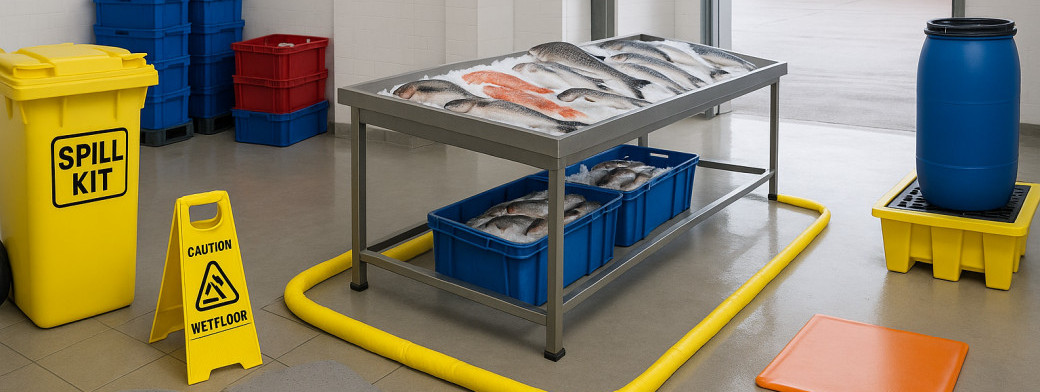
Introduction to Spill Management in Fish Markets
Effective spill management is crucial in fish markets and seafood processing facilities, where biofluids such as blood, oils, and other organic materials can pose significant health and safety risks. Biofluids refer to any bodily fluids or organic substances that may be released during the handling and processing of seafood. These substances not only create unsightly messes but can also lead to slippery surfaces, increasing the risk of slips and falls, as highlighted by the HSE.
Spill risks in these environments are heightened due to the nature of the work, including the use of ice to preserve fish and the handling of various seafood products. The melting of ice can create pools of water that, combined with biofluids, can lead to hazardous conditions. Additionally, the improper disposal of these substances can lead to contamination and environmental issues. Therefore, understanding and implementing effective spill management practices is essential.
Implementing robust safety measures is paramount in preventing accidents and maintaining a clean and hygienic working environment. The HSE outlines core measures for wet-floor environments that can help mitigate these risks. Regular training for staff on spill response and the correct use of cleaning chemicals is vital. For more information on managing exposure to cleaning chemicals and disinfectants, refer to the COSHH guidelines.
By prioritising spill management, fish markets and seafood processing facilities can not only enhance safety but also ensure compliance with regulations regarding the disposal of hazardous waste. This proactive approach protects both employees and customers while promoting a responsible and sustainable seafood industry.
Understanding Biofluids and Their Risks
In fish markets and seafood processing facilities, biofluids refer to any liquid substances that originate from biological sources. These can include blood, urine, and other bodily fluids from fish and seafood, as well as any by-products generated during the processing of these products. Proper management of biofluids is critical to ensuring safety in the workplace and preventing potential health hazards.
Types of Biofluids
The primary types of biofluids encountered in fish markets include:
- Blood: Often present during the handling and processing of fish, blood can pose significant contamination risks if not managed properly.
- Urine: While less common, urine from fish can also be a source of biohazard if not contained.
- Other bodily fluids: This includes any other fluids released during the cleaning or processing of seafood, which may contain pathogens.
Health Risks Associated with Biofluids
Biofluids can harbour a variety of pathogens that pose health risks to workers and customers alike. These risks include:
- Infections: Exposure to biofluids can lead to infections caused by bacteria and viruses, such as Salmonella and Vibrio species.
- Allergic reactions: Some individuals may have allergic reactions to certain proteins found in fish biofluids.
- Slips and trips: The presence of biofluids can create slippery surfaces, increasing the risk of accidents and injuries.
To learn more about the risks of slips and trips in wet environments, refer to the HSE guidelines.
Regulatory Considerations
Fish markets and seafood processing facilities must comply with various regulations concerning the handling and disposal of biofluids. The Control of Substances Hazardous to Health (COSHH) regulations require employers to assess risks associated with biofluids and implement appropriate control measures. Additionally, the duty of care for hazardous waste disposal must be observed, as outlined by GOV.UK, ensuring that contaminated materials are disposed of safely and responsibly.
For more information about biofluids and their management, visit Serpro's dedicated page.
Slip Prevention Strategies
In fish markets and seafood processing facilities, the presence of biofluids and ice melt can create hazardous wet environments that significantly increase the risk of slips and trips. Implementing effective slip prevention strategies is crucial for ensuring the safety of both staff and customers. Here are some vital approaches to consider:
Use of Non-Slip Flooring
Investing in non-slip flooring is one of the most effective ways to mitigate slip hazards. These specially designed surfaces provide enhanced traction, reducing the likelihood of slips even when wet. When selecting flooring materials, opt for those that are specifically rated for wet environments to ensure maximum safety.
Regular Maintenance Schedules
Establishing and adhering to a regular maintenance schedule is critical in preventing slip incidents. This includes routine inspections of floor surfaces, timely removal of spills, and prompt repairs of any damaged flooring. By keeping the work environment clean and well-maintained, the chances of accidents can be significantly reduced. For additional guidance on managing slips and trips, refer to the HSE's guidelines.
Staff Training
Comprehensive staff training is essential in promoting awareness and safe practices within the workplace. Employees should be educated on the proper procedures for handling spills, the importance of reporting hazards, and the use of appropriate personal protective equipment (PPE). Regular training sessions can reinforce these safety measures, ensuring that all staff members are equipped to maintain a safe working environment.
By incorporating these strategies—non-slip flooring, regular maintenance, and thorough staff training—fish markets and seafood processing facilities can significantly reduce the risk of slips and trips, fostering a safer atmosphere for everyone involved.
Odour Control in Seafood Processing Facilities
Effective odour control is crucial in seafood processing facilities, particularly when managing spills of biofluids. Implementing robust strategies can significantly mitigate unpleasant smells, ensuring a safe and pleasant environment for both staff and customers.
Ventilation Systems
One of the most effective methods for controlling odours is through the use of ventilation systems. Properly designed and maintained ventilation can help to dissipate odours before they become a nuisance. Facilities should ensure that air exchange rates meet industry standards, providing adequate fresh air while removing contaminated air. Regular maintenance checks on these systems are essential to ensure they operate efficiently.
Use of Odour-Neutralising Agents
In addition to ventilation, the use of odour-neutralising agents can be beneficial. These agents work by chemically neutralising the compounds that cause unpleasant smells. It is important to select products that are safe for use in food processing environments and compliant with COSHH guidelines. Regularly assessing the effectiveness of these agents can help maintain a pleasant atmosphere in the facility.
Regular Cleaning Protocols
Implementing regular cleaning protocols is vital in preventing the buildup of biofluids that can lead to odour issues. Facilities should establish a routine cleaning schedule that includes the use of appropriate cleaning agents and disinfectants, as detailed in HSE's COSHH guidelines. This not only helps in managing odours but also reduces the risk of slips and trips, as outlined in the HSE's guidance on slips and trips.
For further insights on effective odour management strategies, visit Serpro’s odour control page.
Safe Clean-Up Methods for Biofluid Spills
When dealing with biofluid spills in fish markets and seafood processing facilities, safety is paramount. A systematic approach to clean-up is essential to prevent slips, reduce contamination, and ensure a safe working environment.
Personal Protective Equipment (PPE)
Before initiating any clean-up, it is crucial to equip yourself with the appropriate personal protective equipment (PPE). This includes:
- Disposable gloves (nitrile or latex)
- Protective goggles or face shield
- Waterproof apron or gown
- Non-slip footwear
Wearing proper PPE helps to protect against exposure to harmful pathogens and chemicals, as highlighted by the HSE guidance on COSHH.
Cleaning Agents and Their Uses
Selecting the right cleaning agents is vital for effective biofluid spill management. Recommended agents include:
- Enzymatic cleaners: Effective for breaking down organic matter and eliminating odours.
- Disinfectants: Use hospital-grade disinfectants to kill bacteria and viruses. Always refer to the HSE's core measures for wet-floor environments for guidelines.
- Absorbent materials: Such as absorbent pads or granules to soak up excess liquid before cleaning.
Step-by-Step Clean-Up Process
Follow these steps to ensure a thorough and safe clean-up:
- Assess the Spill: Determine the type and volume of the biofluid to plan your clean-up approach.
- Contain the Spill: Use absorbent materials to surround the spill, preventing it from spreading.
- Wear PPE: Don your PPE before beginning the clean-up.
- Absorb the Fluid: Use absorbent pads or granules to soak up the biofluid. Dispose of these materials in accordance with GOV.UK guidelines.
- Clean the Area: Apply your chosen cleaning agent to the affected area, scrubbing thoroughly to remove any residues.
- Disinfect: Follow up with a disinfectant to eliminate pathogens, ensuring to follow the manufacturer's instructions for efficacy.
- Final Check: Inspect the area for any remaining hazards, ensuring it is safe for regular operations.
For further cleaning methods, consider visiting Serpro's clean-up methods.
Disposal Routes for Contaminated Absorbents
Proper disposal of contaminated absorbents is crucial in maintaining safety and hygiene in fish markets and seafood processing facilities. Various types of absorbents are used to manage biofluids, ice melt, and other spills, including:
- Granular absorbents: Often made from natural materials like sawdust or clay, these are effective in soaking up liquids.
- Pads and rolls: These are designed for quick clean-up and are highly absorbent, ideal for larger spills.
- Spill kits: Containing various absorbent materials, these kits provide a comprehensive solution for immediate response to spills.
Legal Requirements for Disposal
Disposing of contaminated absorbents is subject to legal regulations. Under the UK hazardous waste regulations, certain materials must be treated as hazardous waste, which includes any absorbents that have come into contact with biofluids or other contaminants. It is essential to classify waste correctly to ensure compliance with legal requirements and avoid penalties.
Best Practices for Hazardous Waste Disposal
To ensure safe disposal of contaminated absorbents, consider the following best practices:
- Segregation: Keep contaminated absorbents separate from non-contaminated waste to avoid cross-contamination.
- Labeling: Clearly label all containers of contaminated waste to inform handlers of the potential hazards.
- Use licensed disposal services: Engage with certified hazardous waste disposal companies to ensure proper handling and disposal.
- Documentation: Maintain records of waste disposal, including dates, quantities, and disposal methods, to comply with legal obligations.
For more information on waste disposal, visit Serpro Waste Disposal to understand your options and obligations.
By following these guidelines and regulations, fish markets and seafood processing facilities can effectively manage the disposal of contaminated absorbents, ensuring a safe environment for both employees and customers.
Training and Awareness for Staff
Effective spill management in fish markets and seafood processing facilities hinges significantly on the training and awareness of staff. Implementing comprehensive training programmes is essential to equip employees with the knowledge and skills required to handle biofluid spills safely and efficiently.
Emergency Response Drills
Regular emergency response drills should be conducted to ensure that staff are familiar with their roles during a spill incident. These drills not only reinforce the procedures outlined in training but also help to identify any gaps in knowledge or resources. Staff should be encouraged to participate actively in these drills, fostering a sense of preparedness and confidence in their ability to respond effectively.
Creating a Culture of Safety
Building a culture of safety within the workplace is paramount. This involves promoting open communication about safety concerns and encouraging staff to report potential hazards without fear of reprimand. Regular safety meetings can serve as a platform for discussing spill management practices, sharing experiences, and reinforcing the importance of adhering to guidelines set forth by authorities, such as the HSE. By prioritising safety and spill management, fish markets and seafood processing facilities can significantly reduce the risks associated with biofluids and maintain a safe working environment.
Conclusion and Best Practices
Effective spill management in fish markets and seafood processing facilities is crucial for maintaining safety and hygiene. The presence of biofluids and ice melt not only poses health risks but can also lead to slippery surfaces, increasing the likelihood of accidents. By implementing robust spill management strategies, businesses can protect their staff and customers from potential hazards.
To ensure a safe working environment, it is essential to adopt best practices in spill management. Regular training on safe clean-up methods and the proper disposal of hazardous waste is vital. For more insights on best practices, visit Serpro's best practices.
Furthermore, keeping abreast of regulations regarding the handling of biofluids and cleaning chemicals is necessary. For guidance on managing exposure to cleaning chemicals, refer to the HSE's COSHH guidelines. Additionally, understanding the duty of care and disposal requirements for contaminated wastes can be found on GOV.UK.
We encourage all fish market and seafood processing facility operators to prioritise safety by investing in training and resources for effective spill management. By doing so, you not only safeguard your business but also contribute to a safer community.