
Introduction to Spill Management in Asphalt Operations
In asphalt and road surfacing operations, spill management is a critical component that cannot be overlooked. The risks associated with spills of materials such as bitumen, diesel, and hydraulic oil pose significant challenges not only to the safety of workers but also to the environment. The viscous nature of bitumen makes it particularly difficult to clean, while diesel and hydraulic oil are hazardous pollutants that can contaminate soil and water sources.
Effective spill management is essential for minimising these risks. Implementing proper protocols and using the right equipment can significantly reduce the likelihood of spills occurring. Moreover, swift and efficient response measures are vital when a spill does happen. The environmental impact of spills can be profound; they can lead to soil degradation, water pollution, and harm to local wildlife. According to GOV.UK, businesses must take necessary precautions to prevent pollution and manage spills effectively to protect the environment.
Furthermore, the legal implications of failing to manage spills can be severe, leading to fines and damage to a company's reputation. Therefore, it is imperative for asphalt operations to invest in spill management strategies, including the use of rapid deployment kits and drip control measures, to ensure a proactive approach to spill prevention and response.
In summary, understanding the risks associated with spills in asphalt operations and prioritising effective spill management not only safeguards workers but also protects the environment and ensures compliance with regulatory requirements.
Understanding the Types of Spills
In asphalt and road surfacing operations, various types of spills can occur, each presenting unique challenges and risks. The three primary types of spills encountered are bitumen, diesel, and hydraulic oil spills. Understanding their characteristics and implications is crucial for effective spill management.
Characteristics of Bitumen Spills
Bitumen spills are typically viscous and sticky, making them challenging to clean up. They can adhere to surfaces and materials, complicating removal efforts. Bitumen is a by-product of crude oil and can solidify upon cooling, which may lead to environmental damage if not addressed promptly. Due to its high viscosity, bitumen spills can be difficult to detect until they have spread significantly, making rapid response essential.
Risks Associated with Diesel Spills
Diesel spills pose significant risks, both to health and the environment. Diesel is highly flammable, which increases the risk of fire or explosion in the event of a spill. Additionally, diesel can contaminate soil and water sources, leading to long-term environmental damage. The volatile organic compounds (VOCs) present in diesel can also pose inhalation risks to workers and nearby residents. Proper storage and handling practices, as outlined in the GOV.UK guidance on storing oil, are vital to minimise these risks.
Hydraulic Oil Spill Implications
Hydraulic oil spills can have detrimental effects on machinery and the environment. These spills can lead to equipment failure, resulting in costly downtime and repairs. Hydraulic oil is often toxic to aquatic life, and even small spills can have significant ecological impacts. For effective management, sites should be equipped with hydraulic oil spill kits to facilitate rapid response and minimize contamination. Awareness of the implications of hydraulic oil spills is essential for maintaining both operational efficiency and environmental safety.
Challenges in Spill Management
Spill management in asphalt and road surfacing operations presents unique challenges, particularly at temporary work sites. Unlike permanent installations, temporary sites are often characterised by their transitory nature, which can complicate spill response and mitigation efforts.
Temporary Site Characteristics
Temporary work sites frequently lack the robust infrastructure found at permanent facilities. This absence can lead to limited access to spill response equipment, inadequate storage for hazardous materials, and insufficient training for personnel on spill management protocols. The dynamic nature of these sites means that equipment and materials may be moved frequently, increasing the risk of spills occurring during transport or setup.
Environmental Considerations
Environmental protection is critical in the context of spills involving substances such as bitumen, diesel, and hydraulic oils. The potential for soil and water contamination is heightened at temporary sites, especially if they are located near sensitive ecosystems or watercourses. Prompt and effective spill management is essential to prevent long-term damage to the environment, as spills can lead to significant ecological harm if not addressed swiftly.
Regulatory Compliance
Compliance with UK regulations, including those outlined by the Health and Safety Executive (HSE), is crucial for any construction operation. At temporary sites, ensuring adherence to these regulations can be more challenging due to the constantly changing conditions and the need for rapid deployment of spill response measures. Companies must be vigilant in maintaining compliance to avoid penalties and protect both workers and the environment.
To mitigate these challenges, implementing effective spill management solutions, such as rapid deployment kits and drip control measures, is essential for safeguarding temporary work sites against spills.
Rapid Deployment Kits for Spill Response
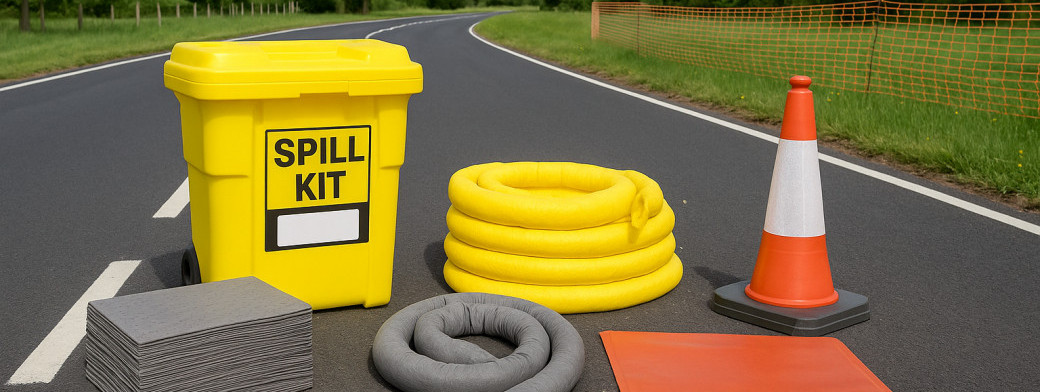
In the high-stakes environment of asphalt and road surfacing operations, effective spill management is crucial for protecting both the environment and the workforce. Rapid deployment kits are essential tools designed to facilitate swift responses to spills involving hazardous materials such as bitumen, diesel, and hydraulic oil. These kits not only help in minimizing the impact of spills but also ensure compliance with environmental regulations.
Contents of a Rapid Deployment Kit
A well-equipped rapid deployment kit typically includes:
- Absorbent materials: Pads, booms, and granules specifically designed to absorb oil and other hydrocarbons.
- Personal protective equipment (PPE): Gloves, goggles, and aprons to safeguard workers during spill response.
- Containment tools: Buckets, disposal bags, and barriers to prevent the spread of contaminants.
- Spill response guides: Step-by-step instructions for effectively managing various types of spills.
These components are critical for ensuring that the response is both efficient and safe, helping to limit the damage caused by spills.
Best Practices for Deployment
When deploying a rapid response kit, adhering to best practices is essential:
- Assess the spill: Quickly evaluate the type and extent of the spill to determine the appropriate response.
- Utilise PPE: Ensure that all personnel involved in the response are wearing the necessary protective gear.
- Contain the spill: Use booms and barriers to prevent further spread while deploying absorbent materials to soak up the liquid.
- Document the incident: Keep a detailed record of the spill and response actions taken for future reference and compliance checks.
Case Studies and Examples
One notable example of effective spill management occurred during a road resurfacing project in West London. A diesel spill was swiftly contained using a rapid deployment kit, which included absorbent booms and pads. The quick response limited the contamination of nearby water sources, demonstrating the effectiveness of preparedness in spill situations.
For more information on rapid deployment kits and their applications, visit Serpro.
For additional guidance on pollution prevention, refer to GOV.UK – Pollution prevention for businesses and GOV.UK – Storing oil at home or business.
Lastly, to understand the risks of slips and trips in work areas, consult the HSE – Slips and trips resource.
Drip Control Measures
Effective drip control measures are essential for preventing spills in asphalt and road surfacing operations. Implementing a robust drip control system not only safeguards the environment but also enhances site safety and operational efficiency.
Types of Drip Control Systems
There are several types of drip control systems that can be employed on temporary work sites. These include:
- Drip trays: These are placed under equipment and storage containers to catch any leaks or spills before they reach the ground.
- Absorbent pads: Ideal for small leaks, absorbent pads can be strategically placed around machinery and fuel bowsers to soak up any escaping liquids.
- Containment booms: When working near water bodies, containment booms can be deployed to prevent spilled materials from spreading into aquatic environments.
- Automatic drip control valves: These systems can be installed on fuel lines to automatically stop the flow of liquid in the event of a leak.
Installation and Maintenance Tips
To maximise the effectiveness of drip control measures, proper installation and regular maintenance are crucial. Here are some tips:
- Ensure that drip trays are appropriately sized for the equipment they are placed under and are regularly inspected for integrity.
- Absorbent materials should be replaced frequently to maintain their effectiveness and prevent saturation.
- Regularly check and clean containment booms to ensure they remain functional and ready for use.
- Automated systems should be tested periodically to confirm they are operational and capable of halting flow in an emergency.
Impact on Spill Reduction
Implementing effective drip control measures significantly reduces the risk of spills during asphalt operations. By containing potential leaks before they escalate, businesses can not only protect the environment but also comply with regulations outlined in resources such as GOV.UK – Pollution prevention for businesses and GOV.UK – Storing oil at home or business. Furthermore, maintaining a clean and safe work environment contributes to minimising slip hazards, as discussed in the HSE – Slips and trips guidelines.
For more information on drip control products, visit Serpro.
Environmental Protection Strategies
In asphalt and road surfacing operations, the protection of the environment is paramount, especially considering the potential hazards posed by materials such as bitumen, diesel, and hydraulic oil. Implementing effective environmental impact assessments is crucial for identifying potential risks and establishing protocols to mitigate them. These assessments help operators understand how their activities can affect local ecosystems and guide them in making informed decisions to minimise adverse effects.
Waste Management Plans
Another essential strategy in environmental protection is the development of comprehensive waste management plans. These plans should outline procedures for the proper disposal of waste materials, including any contaminated substances resulting from spills. By adhering to guidelines set forth by GOV.UK's pollution prevention guidance, operators can ensure that they are compliant with regulations while reducing their environmental footprint.
Emergency Response Planning
In addition to proactive measures, having a robust emergency response planning framework is vital for addressing potential spills effectively. This plan should include the rapid deployment of spill kits and trained personnel ready to respond immediately to any incidents involving bitumen, diesel, or hydraulic oil. Proper training and regular drills can significantly enhance the readiness of the team to manage spills efficiently. Furthermore, operators should consult resources such as GOV.UK's guidelines on oil storage to ensure that all equipment and materials are appropriately managed to prevent spills before they occur.
By prioritising these strategies—environmental impact assessments, waste management plans, and emergency response planning—construction and transport companies can significantly reduce their environmental risks and ensure compliance with relevant regulations. For additional assistance with environmental solutions, consider visiting SERPRO's environmental solutions page.
Conclusion and Best Practices
Effective spill management is critical in asphalt and road surfacing operations, particularly when dealing with hazardous materials such as bitumen, diesel, and hydraulic oil. The consequences of spills can be severe, leading to environmental damage, regulatory penalties, and health risks for workers. Therefore, implementing robust spill management practices is not just a legal requirement but a moral obligation to protect our environment and communities.
Final Recommendations
- Establish a comprehensive spill response plan tailored to your specific site conditions and materials used. Regularly review and update this plan to incorporate new best practices and lessons learned from previous incidents.
- Invest in rapid deployment kits that are easily accessible at work sites. These kits should include absorbent materials, containment booms, and personal protective equipment to ensure a swift response to any spills.
- Implement drip control measures to prevent leaks from machinery and storage facilities. Regular maintenance and inspections can significantly reduce the likelihood of spills occurring in the first place.
- Educate and train all personnel on spill prevention, response protocols, and the proper use of spill management equipment. A well-informed team is your first line of defence against spills.
Call to Action
To ensure the highest standard of spill management at your asphalt operations, consider utilising Serpro products. Our comprehensive range of spill kits and environmental protection equipment is designed to meet the specific needs of the construction and transport sectors. Together, we can work towards safer, cleaner work environments and protect our natural resources.