
Introduction
The rise of electric vehicles (EVs) has transformed the automotive landscape, with increasing numbers of consumers opting for greener alternatives to traditional petrol and diesel-powered cars. As EV adoption continues to grow, so does the necessity for dedicated service centres equipped to handle the unique challenges they present. One of the most pressing concerns within these facilities is the management of spills, particularly those involving lithium batteries.
Safety in service centres is paramount, especially given the inherent risks associated with lithium-ion batteries. These batteries, while efficient and powerful, can pose significant hazards if not managed correctly. Incidents of thermal runaway, leaks, or punctures can lead to fires or chemical spills, necessitating robust spill management protocols to safeguard both personnel and the environment.
Understanding the risks associated with lithium batteries is crucial for service centre operators. The NFCC highlights the need for comprehensive incident planning and risk assessment related to battery energy storage systems, which can be equally applicable to EV maintenance. Furthermore, GOV.UK provides statutory guidelines on lithium-ion battery safety, underlining the importance of proactive measures in preventing incidents.
As we delve deeper into effective spill management strategies, it is essential to explore practical readiness measures that can be implemented at EV service centres. From establishing quarantine spaces to using absorbents for ancillary liquids, understanding the full scope of spill management can help mitigate risks and ensure a safe working environment.
For further insights into spill management best practices, visit Serpro's spill management page and learn about the safety protocols necessary for EV service centres at Serpro's EV safety page.
Understanding Lithium Battery Incidents
Lithium battery incidents refer to any unforeseen events that lead to the failure of lithium-ion batteries, which can result in hazardous situations. These incidents can manifest as thermal runaway, where the battery overheats uncontrollably, or through chemical leaks that release toxic materials into the environment. Understanding the causes and consequences of these incidents is crucial for effective spill management in electric vehicle (EV) service centres.
Common Causes of Lithium Battery Incidents
Several factors can contribute to lithium battery incidents, including:
- Manufacturing defects: Poor quality control during production can lead to internal short circuits.
- Physical damage: Impact from accidents or mishandling can compromise battery integrity.
- Improper charging: Overcharging or using incompatible chargers can trigger overheating.
- Environmental conditions: Extreme temperatures, both hot and cold, can negatively affect battery performance.
Consequences of Battery Failures
The consequences of lithium battery failures can be severe, impacting both safety and the environment. Thermal runaway can lead to fires or explosions, posing risks to personnel and property. Furthermore, chemical leaks can contaminate surrounding areas, creating hazardous situations for both human health and ecosystems. Proper lithium battery safety practices are essential in mitigating these risks.
For guidelines on the safety measures regarding lithium-ion batteries, refer to the UK Government’s statutory guidelines. These guidelines provide essential information on how to manage potential risks associated with battery incidents.
In the case of any hazardous waste generated from battery incidents, it is vital to follow the duty of care regulations for proper disposal, ensuring that contaminated materials are managed responsibly.
Spill Management Best Practices
Managing spills effectively in EV service centres is crucial, particularly when dealing with lithium battery incidents. These incidents can lead to hazardous situations if not handled properly. Here are some best practices to ensure safety and compliance:
Immediate Response Protocols
In the event of a lithium battery spill, immediate response protocols must be in place. Staff should be trained to recognize the signs of a spill and take swift action. This includes:
- Evacuating the area and ensuring the safety of all personnel
- Utilising appropriate personal protective equipment (PPE)
- Implementing containment measures to prevent spread, such as using absorbents specifically designed for lithium battery incidents.
For more detailed spill response strategies, refer to SerPro's Spill Response guidelines.
Preventative Measures
Preventative measures play a vital role in minimising spill risks. Establishing designated quarantine spaces for damaged batteries can help contain potential leaks and spills. These areas should be well-ventilated and equipped with appropriate containment tools. Additionally, maintaining proper storage conditions will reduce the likelihood of thermal runaway incidents, as highlighted by the NFCC’s position statement on Battery Energy Storage Systems (BESS).
Training for Staff
Regular training is essential for all personnel working in EV service centres. Staff should be educated on:
- Identifying hazardous materials, including lithium batteries
- Understanding the risks associated with spills and contamination
- Proper disposal routes for hazardous waste as per GOV.UK guidelines.
By ensuring that staff are well-informed and equipped with the right tools and knowledge, service centres can effectively manage spills and maintain a safe working environment.
Quarantine Spaces
Quarantine spaces are designated areas within EV service centres specifically allocated for the safe storage and management of damaged or potentially hazardous lithium batteries. These spaces are crucial for ensuring that any risks associated with battery incidents, such as thermal runaway or leakage, are effectively contained and managed.
Design Considerations
When designing quarantine spaces, several factors must be taken into account. Firstly, these areas should be located away from high-traffic zones to minimise the risk of accidental exposure or ignition. The space should be constructed using non-combustible materials and equipped with adequate ventilation to dissipate any potentially harmful gases released during battery incidents. Additionally, clear signage should be displayed to indicate the presence of hazardous materials, ensuring that all staff members are aware of the risks involved.
Implementation Strategies
To effectively implement quarantine spaces, EV service centres should establish clear protocols for the identification and transport of damaged batteries to these areas. Staff training is essential to ensure that all employees understand the procedures for handling lithium batteries safely. Furthermore, centres should consider the installation of monitoring systems to detect any signs of battery failure, allowing for prompt action in case of an incident. Regular audits and risk assessments can help maintain the integrity of quarantine spaces and ensure compliance with safety regulations, as outlined by resources such as NFCC – Battery Energy Storage Systems (BESS) position statement and GOV.UK – Statutory guidelines on lithium-ion battery safety for e-bikes.
For more information on the importance of quarantine spaces, visit Serpro.
Absorbents for Ancillary Liquids
In the event of a spill involving lithium batteries at EV service centres, it is crucial to have the right absorbents on hand to manage any ancillary liquids effectively. Choosing the appropriate absorbent can greatly reduce the risk of contamination and facilitate safe clean-up operations.
Types of Absorbents
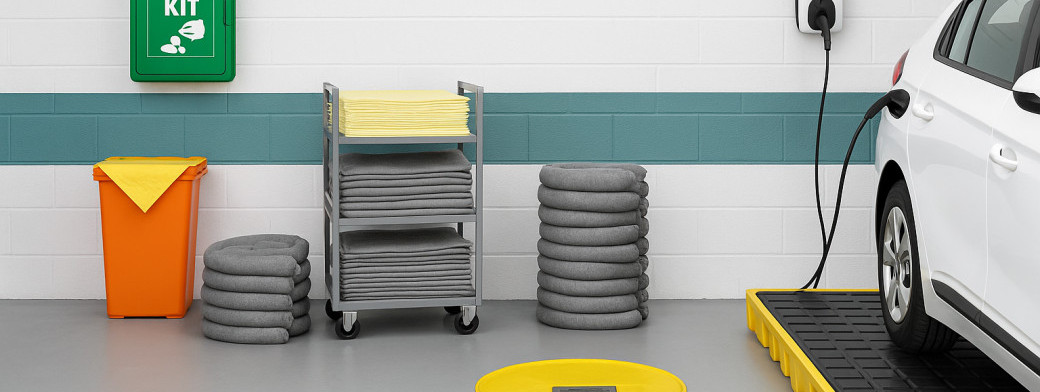
There are several types of absorbents suitable for managing spills of ancillary liquids, including:
- Granular Absorbents: These are effective for soaking up spills and can be used on various surfaces.
- Absorbent Pads: Ideal for quick response, these pads can absorb a wide range of liquids and are easy to deploy.
- Absorbent Booms: These are particularly useful for containing spills and preventing them from spreading.
Choosing the Right Absorbent
When selecting an absorbent, consider the following factors:
- Type of Liquid: Ensure the absorbent is compatible with the type of liquid being managed. For example, oil-based liquids may require specific absorbents designed for hydrocarbons.
- Environment: Evaluate the surface and environment where the spill occurred. Some absorbents are better suited for outdoor use, while others are designed for indoor applications.
- Regulatory Compliance: Select absorbents that meet the necessary safety and environmental regulations, such as those outlined in the GOV.UK guidelines on hazardous waste disposal.
Usage Guidelines
To effectively manage spills with absorbents, follow these usage guidelines:
- Ensure personnel are trained on the proper use of absorbents and personal protective equipment (PPE).
- Deploy the absorbent immediately upon identifying a spill to minimise contamination.
- Once the spill is absorbed, safely dispose of the used absorbents according to statutory guidelines to ensure compliance and safety.
For more information on various absorbents, visit Serpro’s absorbents page.
Disposal Routes for Contaminated Materials
Managing lithium battery incidents in electric vehicle (EV) service centres requires a robust plan for the disposal of contaminated materials. This section outlines the legal requirements and best practices for the safe disposal of hazardous waste, particularly those associated with lithium batteries.
Legal Requirements for Hazardous Waste
Under UK law, hazardous waste must be managed according to strict guidelines to protect human health and the environment. The GOV.UK guidelines stipulate that any waste containing lithium batteries is classified as hazardous due to the risks associated with their chemical components. Therefore, service centres must ensure that they comply with the Duty of Care, which mandates that waste producers take all reasonable steps to ensure their waste is handled safely and legally.
Best Practices for Disposal
To effectively manage hazardous waste, EV service centres should implement the following best practices:
- Segregation: Ensure that contaminated materials, including absorbents used for spills, are segregated from general waste streams to avoid cross-contamination.
- Documentation: Maintain detailed records of the types and quantities of hazardous waste generated, along with the disposal methods used.
- Use of Certified Disposal Services: Engage licensed waste carriers for the collection and disposal of hazardous materials. Only use services that comply with regulatory requirements for hazardous waste disposal.
Resources for Disposal Services
Service centres can access various resources to aid in the disposal of hazardous waste. For comprehensive guidance on hazardous waste disposal, visit Serpro’s hazardous waste disposal page. Additionally, ensure that your chosen disposal service is fully compliant with local regulations and has the necessary certifications to handle lithium battery waste.
By adhering to these guidelines and practices, EV service centres can effectively manage the disposal of contaminated materials, ensuring safety and compliance with legal obligations.
Conclusion
In summary, effective spill management in EV service centres is critical, especially regarding incidents involving lithium batteries. Adhering to best practices such as establishing designated quarantine spaces for damaged batteries, utilising absorbents for ancillary liquids, and implementing clear disposal routes for contaminated materials are essential steps. These strategies not only ensure compliance with safety regulations but also protect both personnel and the environment.
Service centres are urged to take proactive measures by reviewing their spill management protocols regularly. The integration of hazardous waste disposal guidelines into operational procedures will significantly mitigate risks associated with lithium battery incidents. It is crucial for management to foster a culture of safety, where all staff members are trained and equipped to handle potential spills efficiently.
Moreover, ongoing training is paramount. Regularly updated training sessions should be conducted to keep staff informed about the latest safety protocols and best practices, as outlined in the NFCC position statement on Battery Energy Storage Systems (BESS). By prioritising spill management and training, EV service centres can enhance their operational safety and contribute to a more sustainable future.