
Introduction
Spill management refers to the systematic approach to preventing, responding to, and cleaning up spills that may occur in a commercial kitchen environment. This is especially critical when dealing with hazardous materials such as cooking oil, grease, and various cleaning chemicals. Effective spill management not only ensures compliance with health and safety regulations but also plays an essential role in maintaining a safe and hygienic workplace.
In commercial kitchens, the risks associated with spills can be significant. Slips, trips, and falls are among the leading causes of workplace accidents, particularly in environments where surfaces may become slippery due to spills. According to the Health and Safety Executive (HSE), these incidents can lead to serious injuries and even fatalities, highlighting the importance of implementing robust spill management practices.
Moreover, spills can compromise hygiene standards, leading to contamination of food products and increased health risks for both staff and customers. The safe handling and disposal of cleaning chemicals are also crucial, as improper management can result in chemical exposure or environmental pollution. The Control of Substances Hazardous to Health (COSHH) regulations outline the necessary precautions for using hazardous substances, reinforcing the need for effective spill management protocols.
Furthermore, spills of cooking oil or grease can create not only safety hazards but also environmental issues. The UK Government's guidelines emphasize the importance of preventing pollution from oil handling and wash-down activities, urging businesses to adopt best practices in spill management.
Understanding Spill Risks
In commercial kitchens, the management of spills is crucial not only for operational efficiency but also for ensuring the safety of staff and customers. Statistics reveal that slip and trip accidents account for over 50% of all workplace injuries in the catering and hospitality sector, making it imperative for kitchen managers to understand the risks associated with cooking oil, grease, and cleaning chemicals. According to HSE, these accidents often lead to significant downtime, increased insurance costs, and can even result in legal actions.
Common Causes of Spills
Spills in commercial kitchens frequently occur due to a variety of reasons. The most common include:
- Overfilling containers: When pots and pans are filled beyond their capacity, hot oil can easily overflow, creating hazardous conditions.
- Improper storage: Storing cleaning chemicals or cooking oil in unstable or inappropriate locations can lead to spills, especially during busy service times.
- Inadequate training: Staff who are not properly trained in handling and disposing of oils and chemicals may inadvertently cause spills.
Impact on Staff and Customers
The impact of spills extends beyond immediate safety concerns. For staff, slips and trips can lead to serious injuries, resulting in time off work and increased stress. For customers, a slip can ruin their dining experience and damage the establishment's reputation. Moreover, spills can create unsanitary conditions, potentially leading to food contamination and health risks. As outlined in the GOV.UK guidance on pollution prevention, it is also essential to consider the environmental impact of oil and chemical spills, as they can lead to significant pollution if not managed properly.
Effective spill management is not just about compliance; it’s about fostering a safe and healthy environment for both employees and patrons. To learn more about preventing slips and trips in the workplace, visit Serpro.
Effective Spill Management Strategies
Managing spills of cooking oil, grease, and cleaning chemicals in commercial kitchens is crucial to maintaining a safe working environment and preventing costly accidents. Here are some effective strategies to implement:
Immediate Response Protocols
In the event of a spill, swift action is essential. Staff should be trained to follow clearly defined immediate response protocols. This includes:
- Assessing the spill to determine its nature and extent.
- Using appropriate personal protective equipment (PPE) such as gloves and goggles.
- Containing the spill using absorbent materials or barriers to prevent further spread.
- Notifying the kitchen manager or supervisor immediately.
- Following established procedures for cleaning and disposing of the spilled materials safely.
For comprehensive training on spill response, consider resources like spill response training programs.
Long-term Prevention Measures
To minimise the risk of spills occurring in the first place, kitchens should adopt long-term prevention measures. These include:
- Implementing proper storage solutions for cooking oils and chemicals to reduce the likelihood of accidental spills.
- Regularly inspecting and maintaining equipment to prevent leaks and malfunctions.
- Establishing designated areas for oil and chemical handling, equipped with spill kits and absorbent materials.
- Following guidelines from GOV.UK on pollution prevention to manage oil handling and wash-down activities effectively.
Training Staff on Spill Response
Education and training are pivotal in ensuring staff are equipped to handle spills effectively. Regular training sessions should cover:
- The types of spills that can occur and their potential hazards.
- Step-by-step procedures for responding to spills safely.
- Understanding the importance of reporting spills and near-misses to prevent future incidents.
For detailed guidance on COSHH regulations and risk assessments concerning cleaning chemicals, refer to HSE's COSHH guidelines. Implementing these strategies will not only enhance safety in the kitchen but also contribute to a culture of responsibility among staff, ultimately leading to a more efficient and safer working environment.
Safe Handling of Chemicals
In commercial kitchens, the safe handling and storage of cleaning chemicals is crucial not only for compliance with health and safety regulations but also for the protection of staff and customers. One of the key regulations to be aware of is the Control of Substances Hazardous to Health (COSHH), which outlines the necessary steps to assess and manage risks associated with hazardous substances, including cleaning chemicals.
Proper Labelling and Storage
All cleaning chemicals must be clearly labelled, indicating their contents, hazards, and usage instructions. This ensures that all staff can identify substances quickly and understand their risks. Additionally, chemicals should be stored in a designated area away from food preparation zones to prevent contamination. Ensure that storage areas are secure and accessible only to trained personnel, which helps in maintaining safety and compliance with COSHH regulations.
Personal Protective Equipment (PPE) Requirements
When handling cleaning chemicals, staff must wear appropriate personal protective equipment (PPE) to minimise exposure to harmful substances. This may include gloves, goggles, and aprons, depending on the nature of the chemicals being used. It's essential to provide training on the correct use of PPE and ensure that it is readily available for all staff members.
By following these guidelines, commercial kitchens can create a safer working environment, thereby reducing the risk of spills and accidents related to cleaning chemicals. Proper adherence to COSHH regulations not only protects employees but also ensures that the kitchen operates efficiently and safely.
Best Practices for Absorbent Placement
Managing spills effectively in a commercial kitchen is crucial to maintaining safety and compliance with health regulations. The strategic placement of absorbents is key to mitigating risks associated with spills of cooking oil, grease, and cleaning chemicals.
Types of Absorbents
There are various types of absorbents available for use in kitchens, including:
- Granular absorbents: These are often made from natural materials like clay or synthetic products, designed to soak up liquids quickly.
- Absorbent pads and rolls: These are highly effective for soaking up spills on flat surfaces and can be placed under equipment to catch any drips.
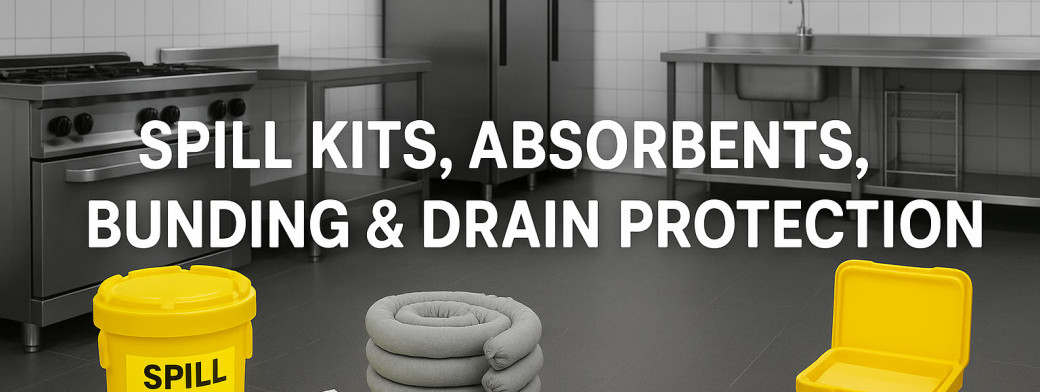
- Absorbent socks: Ideal for encircling spills, these can help contain liquid and prevent it from spreading.
- Biodegradable absorbents: Increasingly popular, these options are environmentally friendly and suitable for managing spills of oils and chemicals.
Strategic Placement in Kitchens
To maximise the effectiveness of absorbents, they should be strategically placed in high-risk areas of the kitchen:
- Near fryers and grills, where cooking oil is frequently used.
- Under sinks and dishwashers, where leaks from cleaning chemicals can occur.
- At entrances and exits to reduce slip hazards caused by spills.
- In storage areas for bulk oil, ensuring quick access in case of a leak.
Regular Maintenance and Checks
It’s essential to regularly check and maintain absorbents to ensure they are effective:
- Conduct routine inspections to replace any used or saturated absorbents.
- Keep an inventory of absorbents and ensure that they are easily accessible during busy shifts.
- Train staff on the proper usage and placement of absorbents to promote a culture of safety.
For more information on different types of absorbents, visit Serpro’s absorbent guide.
Implementing these best practices not only helps in managing spills but also contributes to a safer working environment, reducing the risk of slips and trips in kitchens, as highlighted by the HSE guidelines.
Additionally, understanding the risks associated with cleaning chemicals is essential; refer to the HSE’s COSHH resources for more information on risk assessments and control measures.
Lastly, businesses should be aware of pollution prevention measures when handling oils, as per GOV.UK guidelines.
Conclusion
Effective spill management is crucial in commercial kitchens, particularly when dealing with cooking oil, grease, and cleaning chemicals. These substances not only pose a risk to the safety of staff and customers through slip and trip hazards, as highlighted by the HSE’s guidelines, but they can also lead to severe environmental consequences if not handled appropriately. Implementing a comprehensive spill management plan is essential for safeguarding your kitchen's operational integrity.
Key points discussed include the importance of prompt spill response, proper storage and disposal of hazardous materials, and regular training for staff on spill management protocols. Understanding the risks associated with cleaning chemicals and adhering to COSHH regulations can further mitigate potential hazards. By establishing clear procedures and ensuring that staff are well-trained, kitchens can significantly reduce the likelihood of accidents and maintain a safe working environment.
We encourage all commercial kitchens to review their current spill management practices. Are your procedures up to date? Are your staff adequately trained? Take the time to assess your current plans and make necessary adjustments to enhance safety and compliance. For further guidance on spill management strategies, consider visiting Serpro for expert advice and resources.
In conclusion, proactive spill management is not just a regulatory requirement; it is a commitment to safety and environmental responsibility. Let’s ensure that our kitchens remain safe and compliant by prioritising effective spill management today.