
Introduction
Cooling towers are essential components in many industrial and commercial settings, providing effective heat exchange through the evaporation of water. However, they also present specific risks, particularly concerning legionella bacteria, which can thrive in warm, stagnant water conditions. The presence of legionella can lead to serious health issues, including Legionnaires’ disease, a severe form of pneumonia that can be fatal, especially in vulnerable populations.
Given these risks, implementing robust spill control measures in cooling towers is crucial. Spill control refers to the strategies and practices employed to manage leaks or spills of chemicals used in cooling systems, such as biocides and inhibitors. Effective spill control not only minimizes environmental impact but also reduces the likelihood of contamination that could foster the growth of legionella bacteria.
Moreover, adhering to proper handling practices under the Control of Substances Hazardous to Health (COSHH) regulations ensures that all chemicals are managed safely, reducing the risk of exposure to harmful substances. By maintaining stringent spill control protocols, organisations can protect their water systems and contribute to the overall effectiveness of their legionella control programmes.
Importance of Spill Control in Cooling Towers
Spill control is a critical component in managing cooling towers, particularly in preventing the proliferation of legionella bacteria. When spills occur, they can significantly impact water quality, leading to stagnant water conditions that are conducive to bacterial growth. This not only poses health risks but can also compromise the operational efficiency of the cooling system.
Impact of Spills on Water Quality
Water quality in cooling towers is paramount for both operational efficiency and public health. Any spill can introduce contaminants, including debris, organic matter, and nutrients that promote the growth of pathogenic organisms. Maintaining a clean and controlled environment is essential to mitigate these risks. Regular monitoring and immediate action in case of spills are necessary to ensure that the cooling system remains effective and safe.
Role of Biocides and Inhibitors
To combat the risks associated with spills, the use of biocides and inhibitors is recommended. Biocides are chemical agents that help eliminate harmful microorganisms, while inhibitors prevent the corrosion and scaling that can result from water impurities. Proper dosing and application of these chemicals are crucial, especially in the aftermath of a spill, to restore water quality and inhibit the growth of legionella.
Regulatory Requirements
It is essential to adhere to regulatory requirements outlined by health and safety authorities. The HSE provides guidelines for managing legionella risks, including the proper use of biocides and the implementation of spill control measures. Compliance with the Control of Substances Hazardous to Health (COSHH) regulations is also vital, ensuring that hazardous substances are handled safely and effectively.
In summary, effective spill control in cooling towers is essential for preventing legionella proliferation and ensuring safe water management. The integration of biocides and inhibitors, along with strict adherence to regulatory requirements, will help maintain water quality and protect public health.
Safe Handling and COSHH Compliance
The Control of Substances Hazardous to Health (COSHH) regulations provide a framework for managing the risks associated with hazardous substances, including biocides and inhibitors used in cooling towers. Compliance with COSHH is essential to ensure the safety of staff and the environment while effectively controlling legionella bacteria.
Overview of COSHH
COSHH requires employers to assess the risks posed by hazardous substances and implement appropriate control measures. This includes the safe handling, storage, and disposal of substances that could pose health risks to employees. For detailed guidance on COSHH, visit the HSE COSHH page.
Safe Handling Practices
When handling biocides and inhibitors, it is crucial to follow stringent safety protocols to mitigate health risks:
- Personal Protective Equipment (PPE): Always wear appropriate PPE such as gloves, goggles, and respirators as required.
- Labeling and Storage: Ensure all substances are clearly labeled and stored in accordance with the manufacturer's instructions to prevent accidental exposure.
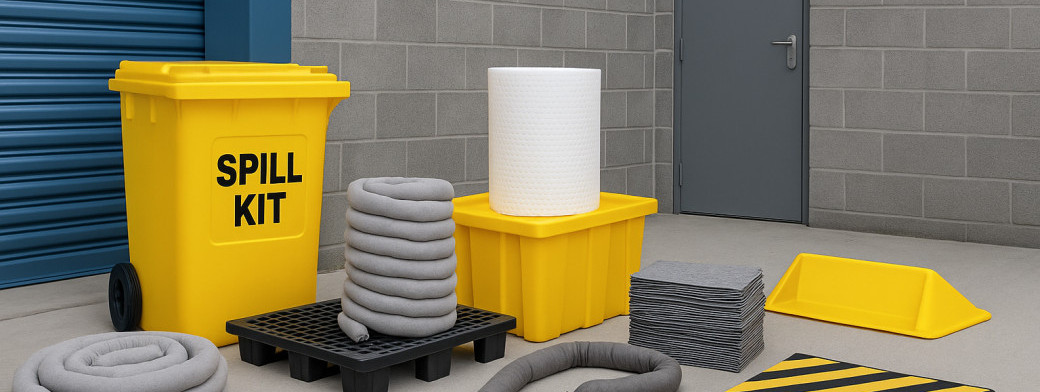
- Spill Response: Have spill kits readily available and ensure that staff are trained on how to respond to spills effectively.
- Ventilation: Ensure adequate ventilation in areas where biocides are handled to reduce inhalation risks.
Training Requirements for Staff
All staff involved in the handling of biocides and inhibitors must receive comprehensive training on COSHH compliance and safe handling practices. This training should cover:
- The hazards associated with the substances they work with.
- Correct usage of PPE and emergency procedures in case of exposure.
- Safe disposal methods for hazardous waste.
Regular refresher courses should be conducted to keep staff updated on best practices and any changes in regulations.
For more information on COSHH compliance and safe handling practices, check out this resource.
Drain Protection Measures
Effective drain protection is essential in preventing spills and contamination from cooling towers, particularly when dealing with hazardous substances such as biocides and inhibitors. Implementing the right measures not only safeguards the environment but also supports compliance with health and safety regulations.
Types of Drain Protection
There are several types of drain protection systems that can be employed, including:
- Drain Covers: These are physical barriers that prevent spills from entering the drainage system. They should be designed to withstand chemical exposure and should be easy to remove for maintenance.
- Oil and Grease Separators: These systems capture oils and greases before they reach the drainage system, reducing the risk of contamination.
- Spill Containment Pallets: Ideal for areas where biocides and inhibitors are stored, these pallets can contain any accidental spills, preventing them from reaching drains.
Installation and Maintenance Practices
Proper installation of drain protection measures is crucial. It is recommended to:
- Engage qualified professionals for installation to ensure compliance with safety standards.
- Ensure that all protection systems are compatible with the substances being used in cooling towers.
- Implement regular maintenance schedules to ensure systems remain effective and are free from blockages or damage.
Importance of Regular Inspections
Regular inspections of drain protection systems are vital for ongoing effectiveness. Inspections should include:
- Checking for signs of wear and tear or damage to drain covers and separators.
- Monitoring for blockages that could hinder the system's function.
- Documenting any findings and maintenance actions taken to support compliance and safety audits.
For more information on drain protection solutions, visit Serpro's Drain Protection page.
Implementing robust drain protection measures is not only a best practice but also a necessary step in managing the risks associated with legionella. For further guidance on legionella control, refer to the HSE’s guidelines on Legionella.
Incident Record Keeping for Legionella Management
Maintaining accurate incident records is crucial for effective legionella management in cooling towers. These records not only help in tracking incidents but also play a significant role in enhancing safety measures and compliance with regulations.
Types of Incidents to Record
When it comes to incident record keeping, there are several types of incidents that should be documented. These include:
- Spills of Biocides or Inhibitors: Any accidental release of chemicals used in the cooling system should be logged, detailing the nature of the spill, quantity, and response actions taken.
- Equipment Failures: Document any failures of dosing pumps or other critical components that could lead to inadequate treatment of water.
- Water Quality Issues: Any deviations in water quality parameters that may indicate a potential risk for legionella growth must be recorded.
- Maintenance Incidents: Any incidents occurring during routine maintenance that could affect the system's integrity should be noted.
How Records Support Legionella Management
Accurate incident records support legionella control programmes by providing a historical context that helps in identifying patterns and potential risks. These records can:
- Assist in evaluating the effectiveness of current control measures.
- Provide evidence of compliance with HSE guidelines for managing legionella risk.
- Facilitate prompt corrective actions in the event of a breach or incident, thereby reducing the potential for outbreaks.
Best Practices for Record Keeping
To ensure that incident records are both effective and accessible, consider the following best practices:
- Standardisation: Use a standard format for documenting incidents to ensure consistency across records.
- Timeliness: Record incidents as soon as they occur to capture accurate details while they are fresh in memory.
- Accessibility: Ensure that records are easily accessible to relevant personnel for review and analysis.
- Regular Reviews: Schedule regular reviews of incident records to identify trends and areas for improvement in your legionella management programme.
For more information on incident management, visit Serpro's incident management page.
Conclusion
In summary, effective spill control in cooling towers is crucial for maintaining the safety and integrity of water systems, particularly in the context of legionella management. The use of biocides, inhibitors, and dosing pumps must be managed with care to prevent any adverse environmental effects. Implementing safe handling practices under COSHH regulations is essential to protect workers and the surrounding ecosystem from hazardous substances.
Furthermore, implementing measures for drain protection and maintaining thorough incident records not only aids in compliance but also supports effective contractor management and overall legionella control programmes. These practices ensure that any spills are promptly addressed and documented, reducing the risk of contamination and contributing to a safer working environment.
We encourage all dutyholders to prioritise spill control measures and ensure full compliance with industry regulations. For expert advice and tailored solutions, do not hesitate to consult professionals who can help you navigate the complexities of cooling tower management and legionella risk mitigation.