
Last reviewed: 13 November 2026
Cooling towers use circulating water and may have biocides, scale inhibitors, acids or alkalis in the dosing system. A leak can create a slip hazard and a chemical-exposure risk, but successful spill clean-up does not establish that the tower is safe from Legionella. Water-system control and chemical spill response are related, not interchangeable.
Know which chemical is where
Inspect dosing pumps, chemical totes, suction lines, tanks, bunds and dosing connections. Keep incompatible substances segregated and make safety data sheets available to authorised staff. Hypochlorite and acids, where used, need particular separation because mixing can release chlorine gas.
Drips from pumps may be caught in compatible drip trays, but storage containment must be designed for the credible release. Do not allow chemicals or tower-treatment residues to enter an unapproved drain or wash them into the ground.
Plan for minor leaks and serious incidents
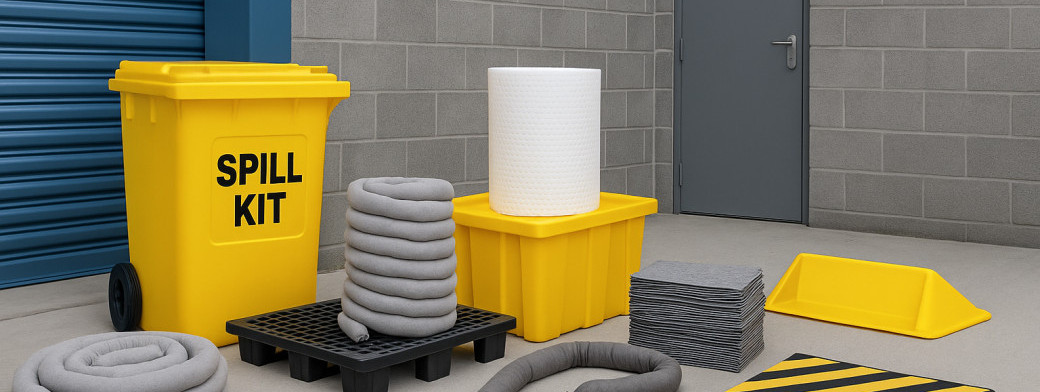
For an identified, small and safely manageable liquid release, use compatible chemical absorbents or spill kits only under the site-specific assessment. Any release involving fumes, an unknown mixture or a damaged bulk container should trigger isolation and specialist support.
The Legionella control programme needs its own maintenance records, water-treatment monitoring and competent management. A stock of absorbent pads does nothing to replace a written scheme of control or the required assessment and monitoring.
Inspect and document
- Check bund condition and dosing-system alarms.
- Confirm suitable PPE, emergency contacts and chemical labels.
- Review drainage routes and quarantine contaminated materials.
- Log leaks separately from Legionella monitoring results.
- Restock response materials after use and close out repairs.
Consult HSE Legionnaires’ disease guidance and Approved Code of Practice L8 alongside HSE COSHH guidance.