
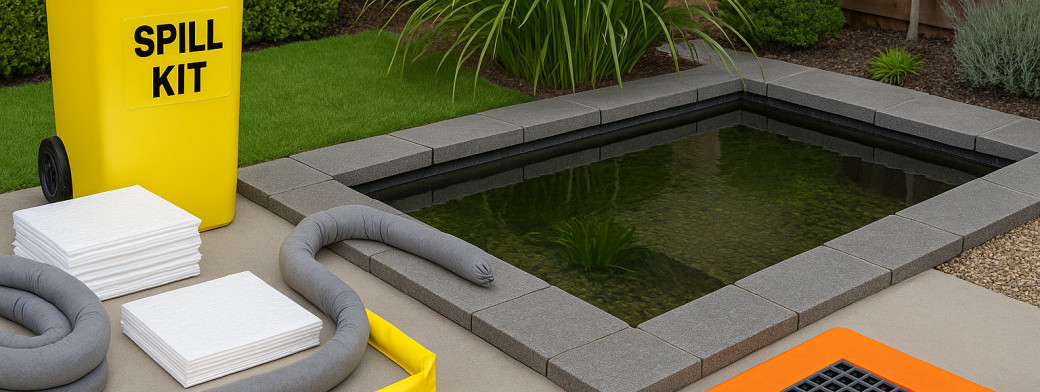
Introduction to Water Features Maintenance
Water features, such as fountains and decorative ponds, add aesthetic value and tranquility to outdoor and indoor spaces. However, they require regular maintenance to ensure they remain safe and visually appealing. Neglecting the upkeep of these features can lead to a myriad of issues, including water quality problems and the potential proliferation of harmful bacteria.
One of the most significant risks associated with poorly maintained water features is Legionella, a type of bacteria that can cause Legionnaires' disease, a severe form of pneumonia. This risk is particularly pronounced in stagnant or warm water, which can create an ideal environment for the bacteria to thrive. Therefore, understanding the importance of maintenance and the proper handling of chemicals used in water features is crucial.
Regular maintenance not only helps to prevent the growth of harmful bacteria but also ensures the longevity of the water feature. This includes routine cleaning, water quality testing, and the correct application of biocides and cleaners to manage algae and other contaminants. It's essential to follow guidelines under the Control of Substances Hazardous to Health (COSHH) regulations, which outline the safe handling and storage of hazardous substances used in these maintenance processes.
In conclusion, maintaining water features is vital for both aesthetic and health reasons. By prioritising regular maintenance and adhering to proper chemical handling protocols, we can significantly reduce the risks associated with Legionella and ensure a safe environment for all who enjoy these beautiful installations. For more information on maintaining water features, visit Serpro.
Chemical Handling Best Practices
Maintaining water features, fountains, and decorative ponds often involves the use of various chemicals for cleaning, sanitising, and controlling algae growth. Ensuring the safe handling of these substances is crucial to protect both public health and the environment. Below are essential guidelines for safe chemical handling in accordance with the COSHH regulations.
Proper Storage and Labelling
All chemicals should be stored in a secure, well-ventilated area away from direct sunlight and sources of ignition. Ensure that containers are clearly labelled with the substance name, hazard symbols, and safety information, making it easy to identify and handle them safely. Following the COSHH guidelines will help mitigate the risks associated with hazardous substances.
Personal Protective Equipment (PPE)
When handling chemicals, appropriate personal protective equipment (PPE) is essential to minimise exposure risks. Depending on the chemicals used, this may include:
- Gloves: Chemical-resistant gloves should be worn to protect the skin.
- Goggles: Safety goggles will safeguard your eyes from splashes.
- Respirators: In cases of airborne chemicals, a suitable respirator may be necessary.
It is critical to assess the specific risks associated with each chemical and select PPE accordingly. Regular training on proper PPE use and maintenance is also recommended.
Best Practices for Spill Response
In the event of a chemical spill, immediate action is vital. Establish a clear spill response plan that includes:
- Evacuating the area if necessary.
- Using absorbent materials to contain the spill.
- Properly disposing of contaminated materials in accordance with local regulations.
For further information on chemical handling, visit Serpro's chemical handling guidelines.
Drain Protection
To prevent chemical contamination of water systems and reduce the risk of Legionella proliferation, ensure that all drains and water features are adequately protected. This may involve installing backflow prevention devices and regularly inspecting for leaks or contamination.
By following these best practices for chemical handling, water feature maintenance can be conducted safely and effectively, minimising risks to health and the environment.
Spill Response Procedures
Effective management of chemical spills is crucial in maintaining the safety and hygiene of water features, fountains, and decorative ponds. Implementing a well-structured spill response procedure can significantly mitigate risks associated with chemical exposure and potential contamination.
Immediate Response Steps
When a spill occurs, the first step is to ensure the safety of all personnel in the vicinity. Immediately assess the situation and, if safe to do so, follow these initial steps:
- Evacuate the area and restrict access to prevent exposure.
- Activate emergency protocols if necessary, including notifying the designated safety officer.
- Wear appropriate personal protective equipment (PPE) such as gloves, goggles, and masks, especially when dealing with hazardous substances.
Containment and Cleanup
Once the area is secure, containment and cleanup must begin promptly to minimise environmental impact:
- Use absorbent materials, such as spill mats or sand, to contain the spill and prevent it from spreading. Ensure that these materials are compatible with the spilled substance.
- Carefully collect the contaminated absorbents and any other debris, placing them in designated hazardous waste containers.
- Clean the affected area thoroughly with appropriate cleaning agents, following guidelines from the HSE – COSHH to ensure safety and effectiveness.
Reporting Procedures
After the spill has been managed, it is essential to document the incident to ensure compliance with health and safety regulations:
- Complete an incident report detailing the nature of the spill, the chemicals involved, and the response actions taken.
- Inform relevant authorities and stakeholders, especially if the spill poses a risk to public health or the environment.
- Review and update spill response protocols based on the incident to improve future responses.
For further guidance on spill response strategies, visit Serpro's Spill Response.
Drain Protection and Maintenance
Effective maintenance of drains is crucial in preventing contamination and the growth of Legionella in water features, fountains, and decorative ponds. Regular drain maintenance practices not only promote healthy water quality but also safeguard public health. Here are key practices to consider:
Drain Maintenance Practices
To maintain optimal drain functionality, regular cleaning and inspection are essential. Remove debris, leaves, and other obstructions that may hinder water flow. Accumulated organic matter can create ideal conditions for bacteria proliferation, including Legionella. Additionally, use appropriate cleaning agents in accordance with COSHH guidelines to ensure safe handling of hazardous substances.
Preventing Backflow and Contamination
Backflow prevention is critical to ensure that contaminated water does not re-enter clean water systems. Installing backflow prevention devices and regularly checking their functionality can significantly reduce the risk of contamination. Moreover, ensure that any water feature is designed to prevent stagnant water, which can serve as a breeding ground for Legionella.
Regular Inspection Schedules
Establishing a regular inspection schedule is vital for proactive maintenance. Inspections should include checking for signs of wear, leaks, and blockages in the drainage system. Documenting these inspections helps maintain compliance with HSE L8 ACOP guidelines regarding record-keeping for Legionella risk management. Keeping detailed records of maintenance activities not only assists in compliance but also provides valuable insights into the effectiveness of your maintenance practices.
For more information on drain protection strategies, visit Serpro Drain Protection.
Legionella Risk Management
Understanding Legionella is crucial for maintaining safe water features, fountains, and decorative ponds. This bacterium can lead to serious health issues, including Legionnaires’ disease, particularly in stagnant water systems where it can thrive. Effective risk management is essential to protect public health and maintain the integrity of these installations.
Risk Assessment Procedures
The first step in managing Legionella risk is conducting a thorough risk assessment. This involves identifying potential sources of the bacteria, assessing the likelihood of exposure, and determining the levels of risk associated with each water feature. Consider factors such as:
- Water temperature
- Stagnation and flow rates
- Presence of biofilms
- Maintenance history
Documenting these findings is essential for ongoing management and compliance with health and safety regulations, as outlined in the HSE L8 ACOP.
Control Measures and Monitoring
Once risks have been assessed, appropriate control measures must be implemented. These can include:
- Regular cleaning and disinfection of water features
- Maintaining water temperatures outside the optimal range for Legionella growth (below 20°C or above 60°C)
- Ensuring proper circulation to prevent stagnation
- Using biocides and other chemical treatments in accordance with COSHH regulations
Regular monitoring is vital to ensure these control measures are effective. This includes routine water testing for Legionella presence and maintaining accurate records of all maintenance activities and chemical usage. Keeping detailed records not only aids in compliance but also helps identify trends and potential issues before they escalate.
For more information on best practices in Legionella management, visit Serpro's Legionella Management page.
Record-Keeping and Compliance
In the realm of maintaining water features, such as fountains and decorative ponds, meticulous record-keeping is crucial for ensuring compliance and safety, particularly in shared spaces. Proper documentation not only aids in the routine management of these installations but also serves as a safeguard against potential health risks, such as Legionella.
Documentation of Maintenance Activities
Regular maintenance of water features involves numerous tasks, including cleaning, chemical treatment, and equipment checks. Keeping detailed records of these maintenance activities is essential. This documentation should include dates, specific tasks performed, and the personnel involved. By maintaining thorough records, facilities can better track the effectiveness of their maintenance protocols and demonstrate compliance with health and safety regulations.
Record-Keeping for Inspections and Incidents
Inspections are a critical component of water feature management, as they help identify potential hazards and ensure that the systems are functioning correctly. It is vital to document all inspection findings, including any anomalies or issues discovered. Additionally, in the event of an incident—such as a Legionella outbreak—having a comprehensive record of past inspections and maintenance activities becomes invaluable for tracing the source and informing necessary corrective actions.
Legal Obligations Under HSE Guidelines
Under the Health and Safety Executive (HSE) guidelines, particularly L8 ACOP, there are clear legal obligations regarding the management of Legionella risks. These regulations outline the necessity for proper record-keeping practices, including the documentation of risk assessments, control measures implemented, and monitoring results. Failure to adhere to these guidelines can lead to significant legal ramifications and increased health risks for users of shared spaces.
In summary, effective record-keeping is not merely a bureaucratic task; it is a vital aspect of managing water features safely and in compliance with legal standards. By documenting maintenance activities, inspections, and incidents diligently, facilities can enhance safety and mitigate the risks associated with Legionella and other hazardous substances.
Conclusion
In summary, maintaining water features, fountains, and decorative ponds requires diligent attention to chemical handling and the management of Legionella risks. Proper chemical handling practices are essential to ensure the safety of both users and the environment. This includes wearing appropriate personal protective equipment (PPE), understanding the COSHH regulations, and being aware of the correct procedures for storing and disposing of hazardous substances.
Moreover, the importance of Legionella risk management cannot be overstated. Regular monitoring and maintenance of water systems are vital to prevent the growth of harmful bacteria. This includes routine cleaning, ensuring proper water circulation, and conducting risk assessments as outlined by health and safety guidelines.
As a call to action, we encourage all water feature owners and managers to prioritise regular maintenance schedules. Ensuring that water features are well-maintained not only enhances their aesthetic appeal but also safeguards public health. For more information on proper maintenance practices, visit our water features page.