
Introduction
Spills in public areas, particularly within rail stations, refer to any unintended release of liquids or substances that can create hazardous conditions for passengers and staff. These spills can range from water and food items to more dangerous substances like oils or chemicals. Managing these incidents effectively is crucial to maintaining a safe environment for everyone using the station.
The importance of a rapid response to spills cannot be overstated. Delayed action can lead to slips, trips, and falls, which are significant contributors to injuries in public spaces. According to the Health and Safety Executive (HSE), slips and trips are among the most common causes of injury in the UK, highlighting the need for effective spill management strategies in rail stations.
This article will explore the various aspects of spill management in rail stations, including the best practices for spill prevention, the protocols for rapid response, and the training necessary for staff to handle such incidents efficiently. We will also discuss the regulatory frameworks that guide spill management, ensuring compliance with health and safety standards. For more detailed guidance on spill management, visit Serpro's Spill Management page.
Key Spill Types in Rail Stations
Rail stations are bustling environments where a variety of activities occur simultaneously, leading to numerous potential spill scenarios. Understanding the different types of spills that can arise is crucial for effective spill management and ensuring public safety.
Liquid Spills
Liquid spills are among the most common incidents encountered in rail stations. These can include water from cleaning operations or leaks, oil from maintenance vehicles, and chemicals used in various operational processes. Each type of liquid spill presents unique challenges; for instance, oil spills can create slippery surfaces that increase the risk of slips and trips, as highlighted in HSE guidelines.
Food and Drink Spills
With numerous food and drink outlets, spills from consumables are a frequent occurrence in rail stations. Items such as coffee, soft drinks, and food items can easily be dropped or spilled, resulting in slippery surfaces. These spills not only pose a safety risk but also can lead to unsightly messes that detract from the station's overall cleanliness and appeal. Quick response to these spills is essential to prevent accidents.
Hazardous Material Spills
In some cases, rail stations may encounter spills involving hazardous materials, such as battery acids or cleaning agents. These substances require immediate and careful handling due to their potential health risks. The HSE's INDG225 guidance outlines practical measures for preventing slips and trips, which is particularly relevant in managing hazardous spills effectively.
For a comprehensive overview of various spill types, refer to Serpro's spill types resource.
Response Protocols for Spills
When a spill occurs in a rail station, immediate and effective action is crucial to ensure the safety of passengers and staff. Below are the essential steps to take in response to a spill.
Immediate Actions to Take
Upon discovering a spill, the first step is to assess the situation. If the spill poses a risk to public safety, the following actions should be taken:
- Secure the area around the spill to prevent access by passengers and staff.
- Utilise warning signs and barriers to highlight the hazard.
- If safe to do so, attempt to contain the spill using appropriate absorbent materials.
- Document the nature and extent of the spill for reporting purposes.
Notification Procedures
Once the area is secured, it is essential to notify the proper authorities immediately. This includes:
- Contacting the station management team or designated spill response personnel.
- Informing emergency services if the spill involves hazardous materials or poses a significant risk to health and safety.
- Following the established spill response plan outlined in the spill response protocols.
In line with ORR health and safety guidance, it is vital to ensure that all staff are trained and aware of the necessary notification procedures for effective spill management.
Evacuation if Necessary
If the spill is large or involves hazardous materials, it may be necessary to evacuate the area. The following steps should be taken:
- Assess the spill to determine the extent of the hazard.
- Activate the station's emergency evacuation plan as per established safety protocols.
- Guide passengers to safe exit routes and ensure that they are moved away from the affected area.
- Continue to communicate with emergency responders and provide them with relevant details about the spill.
For more detailed guidance on preventing slips and trips in public spaces, refer to the HSE guidance on slips and trips and the HSE practical measures for employers.
Safety Measures to Prevent Spills
Ensuring public safety in rail stations requires a proactive approach to spill management. Implementing effective safety measures can significantly reduce the risk of spills and protect both passengers and staff. Here are some key strategies to consider:
Regular Maintenance and Inspections
One of the most crucial steps in spill prevention is conducting regular maintenance and inspections of the station's facilities. This includes checking for wear and tear on floors, ensuring that surfaces are slip-resistant, and promptly repairing any damages that could lead to spills. A routine schedule for maintenance can help identify potential hazards before they become a safety issue.
Proper Signage and Barriers
Implementing proper signage and barriers is essential for alerting passengers to potential spill hazards. Clearly marked signs can inform the public about wet floors or ongoing cleaning activities, while physical barriers can limit access to areas where spills have occurred. This not only helps prevent accidents but also encourages a culture of safety within the station.
Training Staff on Spill Management
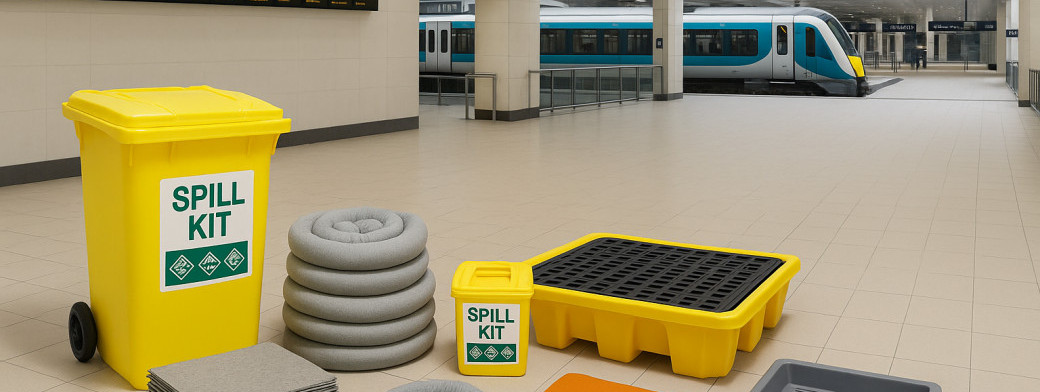
Equipping staff with the right knowledge and skills is vital in preventing spills. Regular training sessions on spill management should be conducted to ensure that personnel can effectively respond to and manage spills when they occur. This includes understanding how to use spill kits, the appropriate procedures for cleaning up different types of spills, and how to communicate with passengers during an incident. For more detailed guidance on preventing slips and trips, you can refer to the HSE's practical measures.
By implementing these proactive measures, rail stations can create a safer environment for everyone. Continuous improvement and adherence to safety protocols will not only mitigate risks but also enhance the overall passenger experience.
Incident Logging and Reporting
Effective spill management in rail stations begins with thorough incident logging. Documenting each spill incident is crucial for identifying patterns, assessing risks, and implementing preventive measures. Every spill should be logged immediately, including details such as the time, location, type of spill, and the response actions taken. This structured approach ensures that no critical information is overlooked and contributes to a comprehensive record that can be reviewed later.
The Importance of Data for Future Prevention
Data collected from logged incidents is invaluable for future prevention strategies. By analysing trends and common causes of spills, rail station management can develop targeted interventions to mitigate similar occurrences. For example, if a particular area is frequently affected by spills, additional training for staff or enhanced cleaning protocols may be necessary. According to the HSE, understanding the causes of slips and trips can significantly reduce their incidence, making incident logging an essential component of safety management.
Reporting to Authorities
In addition to internal logging, it is vital to report spill incidents to relevant authorities, particularly if they pose a risk to public safety. The Office of Rail and Road (ORR) provides guidance on the responsibilities of rail operators in maintaining safety standards. Timely reporting not only ensures compliance but also aids in the broader efforts to enhance safety across the rail network. By keeping authorities informed, rail stations can contribute to a collective knowledge base that supports ongoing safety improvements.
Conclusion
In summary, the effective management of spills in rail stations is critical for maintaining public safety. Throughout this discussion, we have highlighted various types of spills that can occur, including liquid spills from food and beverages, hazardous material leaks, and seasonal challenges like rain-induced slips. Each type of spill requires a tailored response protocol to ensure rapid containment and clean-up.
We explored the importance of having clear response protocols in place, which involve immediate reporting, assessment of the spill, and the deployment of trained personnel equipped with the right tools and materials. The role of signage and barriers in preventing accidents during spill management cannot be overstated, as they serve to alert passengers and redirect foot traffic away from hazardous areas.
Public safety is paramount in any rail environment, and effective spill management contributes significantly to this goal. By ensuring that staff are trained and prepared to respond swiftly to spills, rail stations can reduce the risk of accidents that may lead to injuries or disruptions in service. Ongoing training and preparedness are essential for all employees, fostering a culture of safety that prioritises the well-being of both staff and passengers.
As we move forward, it is crucial for rail stations to continuously evaluate their spill management strategies and engage with resources such as HSE guidance on slips and trips and ORR health and safety resources. For further information on spill management best practices, visit Serpro's spill management page.