
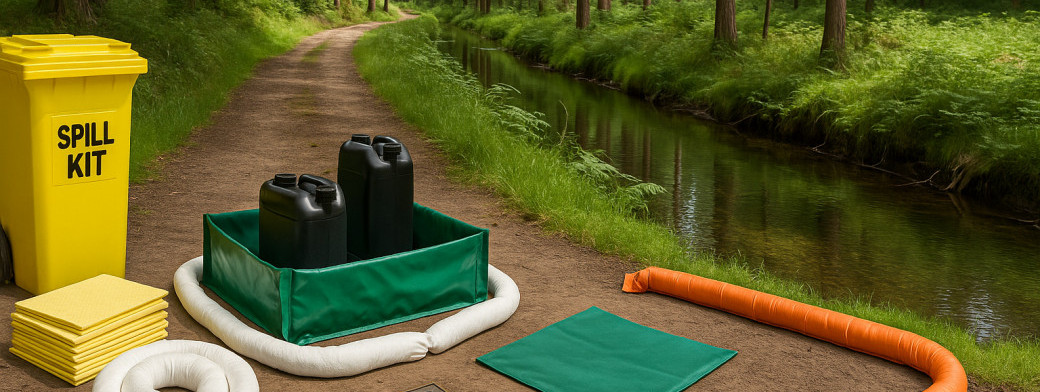
Introduction to Spill Management in Remote Forestry Operations
Spills refer to the unintended release of liquids, such as fuels or oils, into the environment, which can have detrimental effects on ecosystems, particularly in sensitive areas like forests and watercourses. In remote forestry operations, where access to resources and rapid response capabilities may be limited, the risk of spills can be heightened due to factors like field refuelling and hydraulic leaks.
Remote forestry operations encompass a wide range of activities, including timber harvesting, land management, and equipment maintenance, often conducted in isolated locations away from urban infrastructure. These operations frequently involve heavy machinery that requires substantial fuel and hydraulic fluids, increasing the potential for spills during routine activities such as refuelling and equipment servicing.
The significance of spill management in these settings cannot be overstated. Effective spill management not only mitigates the environmental impact of accidental releases but also ensures compliance with regulations, such as those outlined in the GOV.UK guidance on pollution prevention. By implementing robust spill management practices, forestry crews can protect watercourses and surrounding habitats, maintain operational integrity, and safeguard their reputation. For practical solutions, consider exploring mobile spill kits and other forestry solutions designed specifically for these challenging environments.
Types of Spills in Forestry Operations
In the context of remote forestry operations, understanding the types of spills that can occur is crucial for effective spill management. Each type of spill presents unique challenges and requires specific response strategies to mitigate environmental impacts.
Fuel Spills
Fuel spills are among the most common incidents in forestry operations, particularly during refuelling activities. These spills can occur due to equipment malfunctions, human error, or improper handling of fuel containers. The consequences of fuel spills can be severe, as they can contaminate soil and watercourses, posing risks to local wildlife and ecosystems. To prevent fuel spills, crews should follow strict refuelling protocols, ensure that all equipment is regularly maintained, and use spill containment measures such as drip trays.
Hydraulic Fluid Leaks
Hydraulic fluid leaks can occur from machinery such as excavators and harvesters, often due to wear and tear on hoses and seals. These leaks can be particularly hazardous as hydraulic fluids can contain harmful additives that may contaminate the surrounding environment. For effective management of hydraulic fluid spills, it is essential to conduct routine inspections of machinery, as outlined in hydraulic spill kits. These kits provide crews with the necessary tools to quickly contain and clean up hydraulic fluid leaks, thereby minimising environmental impact.
Chemical Spills
Chemical spills can occur from the use of pesticides, herbicides, or other chemicals used in forestry operations. These spills can have far-reaching effects on water quality and biodiversity. Proper storage and handling protocols are essential to prevent such spills. Crews should be trained in the safe application of chemicals and should always use personal protective equipment (PPE) to minimise exposure. Additionally, having a clear response plan in place can help crews act swiftly in the event of a chemical spill, reducing potential harm to the environment.
Overall, understanding the various types of spills that can occur in forestry operations is vital for implementing effective spill management strategies. By taking proactive measures and being prepared, crews can significantly reduce the risks associated with spills in remote locations.
The Importance of Mobile Spill Kits
In the challenging environments of remote forestry operations, the risk of spills from fuel and hydraulic fluids is a significant concern. Mobile spill kits are essential tools that provide crews with the necessary resources to respond quickly and effectively to spills, minimizing environmental impact and protecting vital watercourses.
What is a Mobile Spill Kit?
A mobile spill kit is a portable collection of spill response materials designed to contain and clean up spills of various substances, including oils, fuels, and chemicals. These kits are typically housed in durable, weather-resistant containers that can be easily transported to the site of a spill, ensuring that crews have immediate access to spill response equipment when every minute counts.
Benefits of Having a Mobile Spill Kit
- Rapid Response: The primary benefit of mobile spill kits is the ability to respond to spills promptly. Quick action can prevent spills from spreading and reduce the risk of contamination to surrounding environments.
- Compliance with Regulations: Having a spill kit on-site helps forestry operations comply with environmental regulations and guidelines, such as those outlined by GOV.UK, which emphasise the importance of spill prevention.
- Cost-Effective: Investing in mobile spill kits can save companies money in the long run by avoiding costly clean-up operations and potential fines from environmental damage.
- Enhanced Safety: Proper spill management reduces the risk of slips and trips, as outlined by the HSE, ensuring a safer work environment for forestry crews.
Types of Spill Kits Suitable for Forestry
When selecting a mobile spill kit for forestry operations, it is crucial to choose the right type based on the potential risks involved. Some suitable options include:
- Oil Absorbent Kits: Designed specifically for oil-based spills, these kits contain absorbent pads, booms, and socks to efficiently manage oil leaks.
- Universal Spill Kits: These versatile kits can handle a variety of spills, including oils, fuels, and some chemicals, making them ideal for diverse forestry operations.
- Hazardous Material Kits: For operations dealing with chemicals, these kits are equipped to handle more dangerous substances, ensuring that crews can respond safely to hazardous spills.
To ensure your forestry operation is prepared for any spill, it is crucial to equip your crew with mobile spill kits tailored to the specific risks associated with your work environment.
Drip Control Methods During Refuelling
Effective spill management is crucial in remote forestry operations, especially during the refuelling process. Implementing best practices for refuelling can significantly reduce the risk of spills and protect local watercourses.
Best Practices for Refuelling
- Always refuel equipment on a flat, stable surface to prevent spills from rolling or sliding equipment.
- Use a funnel or a nozzle with a shut-off valve to control the flow of fuel during refuelling.
- Keep a spill response plan readily available and ensure all crew members are familiar with it.
- Conduct regular maintenance on fuel tanks and hoses to prevent leaks and ensure proper functioning.
Utilising Drip Trays
Drip trays are an essential tool for managing spills during refuelling. These trays can catch any overflow or drips that may occur, preventing fuel from reaching the ground. For more information on the types of drip trays available, visit Serpro's guide on drip trays.
When using drip trays, consider the following tips:
- Always place the drip tray under the refuelling point before starting the process.
- Regularly check the tray for any collected fuel and dispose of it in accordance with local regulations.
- Ensure that the drip tray is large enough to handle the expected volume of fuel.
Training for Crew Members
Training is vital to ensure that crew members are aware of the potential risks associated with refuelling and the proper procedures to follow. Regular training sessions should include:
- Understanding the environmental impact of spills and the importance of preventing them.
- Hands-on training in the use of spill kits and drip trays.
- Reviewing pollution prevention guidelines to reinforce best practices.
By implementing these drip control methods and ensuring that crew members are adequately trained, remote forestry operations can effectively manage spills during refuelling and protect vital watercourses.
Strategies for Protecting Watercourses
When conducting forestry operations in remote locations, it is crucial to implement effective strategies to protect nearby watercourses from potential spills. The following measures can help crews mitigate risks and ensure environmental safety.
Establishing Buffer Zones
Creating buffer zones around watercourses is one of the most effective ways to prevent contamination. A buffer zone is a designated area that separates sensitive environments from operational activities. It is recommended to maintain a minimum distance of at least 10 meters from the water’s edge, where no fuel storage, refuelling, or machinery operation takes place. This distance can vary depending on local regulations and environmental conditions. For more detailed guidance on pollution prevention, refer to the GOV.UK guidance on pollution prevention for businesses.
Implementing Containment Measures
Containment measures are vital for managing spills effectively. Crews should use spill trays or bunds during refuelling operations to catch any potential leaks. These containment solutions should be adequately sized to hold at least 110% of the largest container being used. In addition to containment trays, having portable spill kits readily available can enhance response times in case of an accidental spill. Regular checks should be conducted to ensure that containment equipment is in good condition and ready for use.
Regular Monitoring and Maintenance
Continuous monitoring of equipment and operations is essential to identify potential issues before they lead to spills. Crews should conduct routine inspections of machinery and fuel storage areas to check for leaks or signs of wear. Regular maintenance schedules should be established to ensure all equipment is functioning correctly. In addition, monitoring the condition of buffer zones and surrounding vegetation can provide early warnings of potential contamination risks. The GOV.UK guidance on storing oil offers helpful principles for safe fuel storage and handling.
By implementing these strategies, forestry crews can significantly reduce the risk of spills impacting watercourses and contribute to the protection of our vital natural resources.
For more information on watercourse protection, visit Serpro's Watercourse Protection page.
Conclusion and Best Practices
Effective spill management is crucial in remote forestry operations, where the risk of environmental contamination is heightened due to the proximity of watercourses and the challenges of accessing clean-up resources. By prioritising spill prevention and response strategies, crews can significantly mitigate the impact of spills on the surrounding ecosystem.
Implementing best practices for spill management not only protects watercourses but also ensures compliance with regulations outlined by GOV.UK. Crews should be trained in proper field refuelling techniques, regularly inspect equipment for hydraulic leaks, and maintain a proactive approach to spill prevention. Understanding the principles of oil spill prevention is essential, especially when handling fuel in remote locations.
One of the most effective ways to enhance spill readiness is by utilising mobile spill kits. These kits provide essential tools and materials for immediate response to spills, enabling crews to act swiftly and effectively. By having these kits readily accessible, teams can minimise the risk of contamination and protect vital water resources.
In conclusion, the importance of spill management cannot be overstated. By adopting best practices and ensuring the availability of mobile spill kits, forestry crews can safeguard the environment and maintain the integrity of their operations. It is imperative to stay vigilant and proactive in spill management efforts—take action today to protect our natural resources.