
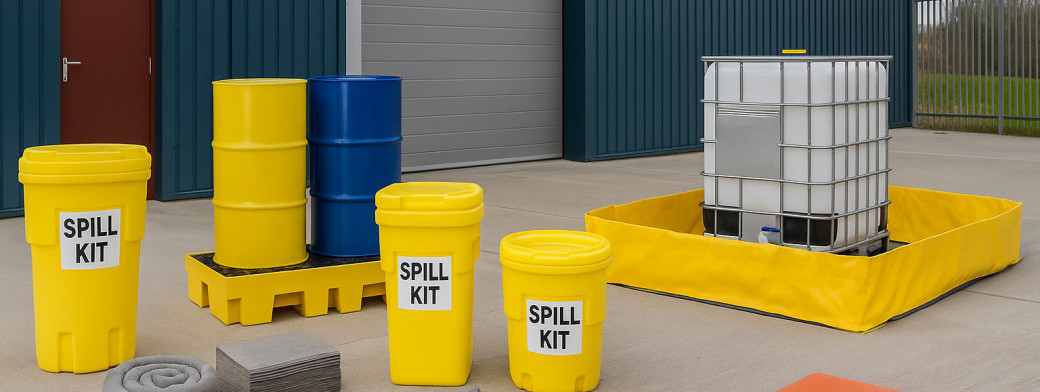
Introduction to IBC and Drum Decanting Stations
Intermediate Bulk Containers (IBCs) and drums are essential for the storage and transportation of liquids, particularly hazardous substances. Decanting stations are facilities specifically designed for transferring these liquids from one container to another, often involving the pouring or pumping of chemicals into smaller containers or processing equipment. While these stations play a crucial role in various industries, they also present significant spill risks that must be managed effectively.
The Importance of Spill Management
Effective spill management at decanting stations is vital for several reasons. Firstly, spills can lead to environmental contamination, posing risks to local ecosystems and public health. Additionally, they can result in substantial financial losses due to cleanup costs, regulatory fines, and potential damage to a company's reputation. Implementing robust spill management strategies not only ensures compliance with regulations but also enhances operational efficiency and safety.
Overview of Spill Risks
The risks associated with spills at decanting stations are numerous. Factors such as equipment failure, human error, and improper handling of materials can all contribute to spill incidents. According to the HSE, the safe handling and storage of packaged dangerous substances, including IBCs and drums, is critical to preventing accidents. Understanding these risks is the first step toward developing effective spill prevention and response strategies.
To ensure safe operations, it is essential to adopt best practices for spill management, which will be explored in the following sections.
Understanding the Risks Associated with Decanting
Decanting operations, particularly at Intermediate Bulk Container (IBC) and drum decanting stations, present various risks that require careful management. The types of chemicals handled during these operations can range from benign substances to hazardous materials such as solvents, acids, and flammable liquids. Each of these poses unique challenges and potential hazards, necessitating a thorough understanding of the risks involved.
Types of Chemicals Handled
Common chemicals managed at decanting stations include:
- Corrosive substances (e.g., hydrochloric acid)
- Flammable liquids (e.g., petrol, ethanol)
- Toxic materials (e.g., pesticides, certain solvents)
- Reactive chemicals (e.g., peroxides)
The diverse nature of these chemicals amplifies the importance of adhering to safety protocols and spill management strategies.
Potential Environmental and Health Impacts
Spills during decanting can lead to significant environmental and health impacts. For instance, the release of toxic chemicals can contaminate soil and water sources, posing a threat to local ecosystems. Additionally, exposure to hazardous substances can result in serious health issues for workers, including respiratory problems, skin irritation, or long-term chronic conditions. The HSE's guidance on the storage of packaged dangerous substances outlines the importance of understanding these risks and implementing effective controls.
Case Studies of Spills
Several notable cases have highlighted the consequences of inadequate spill management at decanting stations:
- A chemical spill at a manufacturing facility led to the contamination of a nearby river, resulting in a significant environmental cleanup effort and fines for the company involved.
- In another incident, a worker suffered severe chemical burns due to an uncontrolled spill during a decanting operation, underscoring the need for proper training and safety equipment.
Such incidents stress the necessity of robust spill management procedures. For further insights into effective spill management practices, visit Serpro's Spill Management Resources.
Implementing Secondary Containment Systems
Effective spill management at decanting stations hinges significantly on the implementation of secondary containment systems. These systems play a crucial role in preventing spills from escalating into environmental hazards, ensuring that any leaks are contained and managed promptly.
Types of Secondary Containment
There are several types of secondary containment systems that can be employed:
- Bunds: These are walls or barriers designed to contain spills around storage tanks or decanting areas.
- Drip trays: Placed under decanting stations, these trays capture any drips or spills during the transfer process.
- Double-walled containers: These containers have an inner and outer layer, providing an additional barrier against leaks.
- Containment pallets: Used for drum storage, these pallets feature a sump to catch any leaks or spills.
Design Considerations
When designing secondary containment systems, several factors must be taken into account:
- Capacity: The containment system must be able to hold at least 110% of the largest container's volume stored within it.
- Accessibility: Ensure that the system allows for easy access for maintenance and inspection, while not impeding the work process.
- Material selection: Choose materials that are compatible with the substances being stored to prevent degradation or failure.
Maintenance and Inspection Protocols
Regular maintenance and inspection of secondary containment systems are vital to their effectiveness:
- Routine checks: Conduct regular inspections to ensure that the integrity of the containment system is intact and that there are no visible signs of damage.
- Cleanliness: Keep the containment area clean and free from debris that could obstruct drainage or containment functions.
- Documentation: Maintain records of inspections and maintenance activities to ensure compliance with regulations and to track any issues that arise.
For more detailed guidance on spill prevention and run-off control around chemical handling areas, refer to the GOV.UK guidance on pollution prevention for businesses.
For further information on secondary containment systems, visit Serpro's secondary containment page.
Optimising Layout for Safety and Efficiency
When designing decanting stations for Intermediate Bulk Containers (IBCs) and drums, the layout is crucial in minimising spill risks and ensuring operational efficiency. Proper planning can significantly enhance safety while facilitating a smooth flow of materials.
Space Requirements
One of the primary considerations in the layout of decanting stations is the adequate space for movement and equipment placement. Each station should allow for sufficient clearance around IBCs and drums to enable safe handling and prevent accidental spills. The HSE guidelines recommend that there should be enough space for personnel to perform their tasks without obstruction. This includes areas for loading and unloading materials, as well as space for spill containment measures.
Access for Emergency Services
In the event of a spill or emergency, it is vital that emergency services can access the decanting station quickly and safely. Ensure that pathways are clear and that there are no obstacles blocking access routes. Design the layout to include clear signage indicating the location of emergency equipment, such as fire extinguishers and spill kits, which should be easily accessible. Regular drills and training for staff on emergency procedures can further enhance safety.
Flow of Materials
The flow of materials within the decanting station should be logical and streamlined. Consider the sequence of operations from receiving materials to decanting and then to storage. This flow should minimise the need for unnecessary handling, reducing the risk of spills. An effective layout will incorporate designated areas for each stage of the process, ensuring that materials move smoothly through the station without cross-contamination or risk of spills. For more detailed guidance on layout design, refer to Serpro's layout design recommendations.
By implementing these best practices, organisations can create a safer working environment at decanting stations, significantly reducing the likelihood of spills and ensuring compliance with relevant safety regulations.
Personal Protective Equipment (PPE) for Decanting Operations
In the context of decanting operations, the safety of personnel is paramount. The use of appropriate Personal Protective Equipment (PPE) is essential to mitigate risks associated with handling dangerous substances. This section outlines the necessary types of PPE required for individuals involved in these operations and emphasises the importance of compliance and regular training.
Types of PPE Required
Personnel engaged in decanting activities should be equipped with the following PPE:
- Safety Goggles: To protect eyes from splashes and chemical exposure.
- Gloves: Chemical-resistant gloves must be worn to safeguard hands from harmful substances.
- Respirators: In environments where vapours or dust may be present, suitable respiratory protection is critical.
- Protective Clothing: Coveralls or aprons made from chemical-resistant materials should be worn to prevent skin contact.
- Safety Footwear: Steel-toed boots can protect against heavy objects and spills.
Training and Compliance
It is crucial that all personnel are trained in the proper use of PPE, as well as the specific hazards associated with the substances they are handling. Regular training sessions should be conducted to ensure that staff are up-to-date with safety practices and compliance requirements, as outlined in the HSE guidance on the storage of packaged dangerous substances (HSG71). Compliance with these standards not only protects employees but also helps in maintaining a safe working environment.
Regular Audits
To ensure ongoing safety and compliance, regular audits of PPE usage and condition should be performed. These audits help identify any gaps in training or equipment needs, thereby enhancing the overall safety culture within the workplace. For more guidance on spill prevention and handling around chemical areas, refer to GOV.UK's pollution prevention guidelines.
Emergency Planning and Preparedness
Effective spill management at decanting stations begins with robust emergency planning. Having a well-defined emergency response plan is essential for minimising the impact of spills and ensuring the safety of personnel and the environment. These plans should outline the procedures to follow in the event of a spill, including the immediate actions to contain the spill, notify relevant personnel, and coordinate with local authorities.
Developing an Emergency Response Plan
Your emergency response plan should include:
- Identification of potential spill scenarios and their impacts.
- Roles and responsibilities of staff during a spill incident.
- Contact information for local emergency services and environmental agencies.
- Procedures for reporting spills to regulatory bodies as per government guidelines.
Training Drills
Regular training drills are crucial in ensuring that all staff are familiar with the emergency response plan. Conducting realistic spill response drills allows employees to practice their roles and identify areas for improvement. This not only enhances preparedness but also builds confidence among team members to act effectively in a real emergency.
Coordination with Local Authorities
Establishing a strong relationship with local authorities is vital. Coordination with these agencies can facilitate a more effective response in the event of a spill. Regular communication and collaboration can help ensure that your emergency response plan aligns with local regulations and resources. In addition, informing local authorities about your operations can help them prepare for potential incidents, thereby enhancing community safety.
In summary, a comprehensive approach to emergency planning and preparedness, including the development of detailed response plans, regular training, and coordination with local authorities, is key to effective spill management at decanting stations. For more information on relevant regulations, refer to the HSE guidance on cylinder handling and the storage of packaged dangerous substances.
Rapid Response Steps for Spill Management
Effective spill management is crucial at decanting stations to prevent environmental damage and ensure safety. In the event of a spill, swift action can mitigate risks significantly. Below is a step-by-step guide to handling spills effectively.
Immediate Actions to Take
- Assess the Situation: Quickly evaluate the extent of the spill and identify the substance involved. If it’s a hazardous material, prioritise safety by evacuating the area.
- Personal Protective Equipment (PPE): Ensure that all personnel responding to the spill wear appropriate PPE, including gloves, goggles, and respiratory protection if necessary.
- Control the Source: If safe to do so, stop the source of the spill to prevent further leakage. This may involve closing valves or repositioning containers.
Notification Procedures
Once immediate actions are taken, it is essential to notify the relevant personnel:
- Alert Team Members: Inform your team and any other personnel in the vicinity about the spill.
- Contact Emergency Services: If the spill poses a significant risk, contact emergency services by dialling 999 or 112.
- Report the Incident: Follow your workplace's reporting procedures, and log the incident in accordance with spill response protocols.
Containment and Clean-up Methods
Once the immediate risks are managed, focus on containment and clean-up:
- Contain the Spill: Use absorbent materials such as booms or pads to contain the spill and prevent it from spreading. Ensure that all containment measures comply with HSE guidelines.
- Clean-up: Carefully clean the affected area using appropriate methods. For liquid spills, use absorbents to soak up the material, then dispose of them according to hazardous waste regulations.
- Decontamination: After the initial clean-up, ensure that the area is decontaminated thoroughly to eliminate any residual chemicals.
Following these rapid response steps can significantly reduce the impact of spills at decanting stations. For further guidance on spill management, refer to the pollution prevention guidelines.
Conclusion and Best Practices
In summary, effective spill management at IBC and drum decanting stations is critical for ensuring safety and compliance. The strategies discussed, including the implementation of secondary containment systems, regular training for staff, and the use of spill kits, serve as essential components in mitigating risks associated with spills.
Compliance with regulations, such as those outlined by the HSE in HSG71, not only protects the environment but also safeguards your workforce and business from potential liabilities. It is vital to stay informed and adhere to these guidelines to maintain a high standard of safety in your operations.
We encourage you to explore further resources on spill management and pollution prevention for businesses. For additional insights and comprehensive guidance, visit Serpro Resources and the GOV.UK site on Pollution Prevention.
By prioritising spill control measures and continually reviewing your practices, you can ensure a safer workplace and contribute to environmental protection.