
Introduction
In the context of photo labs, solvent spills refer to the accidental release of chemical substances used in the printing and photographic processes. These spills can range from small leaks to significant accidents, potentially causing harm to both personnel and the environment. Understanding the nature of these spills is crucial for maintaining a safe working environment.
Importance of Safety in Photo Labs
Safety in photo labs is paramount due to the presence of hazardous chemicals that can pose health risks. Exposure to solvents can lead to serious health issues, including respiratory problems and skin irritation. Therefore, implementing robust safety protocols is essential to protect employees and ensure a safe working atmosphere. Regular training and awareness initiatives can significantly reduce the risks associated with solvent handling.
Regulatory Compliance
Adhering to regulatory compliance is not just a legal requirement but also an ethical obligation. Regulations such as the Control of Substances Hazardous to Health (COSHH) mandate that employers assess and control exposure to hazardous substances, including solvents. This entails proper risk assessments, employee training, and the implementation of effective control measures. Additionally, understanding the guidelines for the safe disposal of chemical waste is crucial for compliance and environmental protection.
For more information on safety and handling of solvents in photo labs, visit Serpro Safety Solvents.
Understanding Solvent Spills
In small to mid-size print and photo labs, the use of solvents is commonplace for various processes, including developing photos and cleaning equipment. However, the risk of solvent spills is a significant concern that can lead to serious health and environmental hazards.
Types of Solvents Used in Photo Labs
Photo labs typically utilise a variety of solvents, including but not limited to:
- Acetone
- Isopropyl alcohol
- Ethyl acetate
- Hexane
- Various developer and fixer solutions
Each type of solvent has its unique properties and applications, which can influence the potential risks associated with spills. For a comprehensive overview of the different types of solvents, visit Serpro - Solvent Types.
Common Causes of Spills
Spills in photo labs can occur due to several factors, including:
- Human Error: Accidental overfilling of containers, improper handling, and lack of attention can lead to spills.
- Equipment Failure: Leaks from tanks, valves, or pipes can result in solvent escapes.
- Improper Storage: Inadequate storage practices, such as using unsuitable containers or shelving, can increase the risk of spills.
Health and Environmental Risks
Solvent spills pose multiple hazards that can affect both individuals and the environment:
- Health Risks: Exposure to solvents can lead to a range of health issues, including respiratory problems, skin irritation, and even long-term neurological effects. For more information on the health implications, refer to the HSE - COSHH guidelines.
- Environmental Impact: If not managed properly, spilled solvents can contaminate soil and water sources, posing risks to wildlife and ecosystems.
To mitigate these risks, it is crucial for labs to implement effective spill response protocols and maintain compliance with safety regulations, as outlined in the HSE - Working Safely with Solvents guide.
Spill Response Steps
In the event of a solvent spill in your photo lab, swift and effective action is crucial to ensure safety and compliance. Follow these critical steps to manage the situation effectively.
Immediate Actions to Take
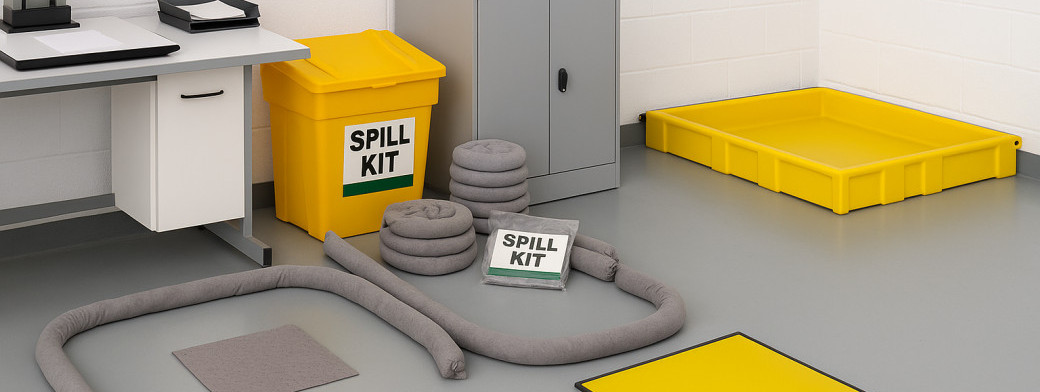
Upon discovering a solvent spill, the first step is to assess the situation. If the spill is small and manageable, proceed with containment. Use absorbent materials specifically designed for chemical spills, such as spill pads or granules. If the spill is large or poses immediate danger, evacuate the area and activate your emergency response plan.
Personal Protective Equipment (PPE)
Before attempting to clean up a solvent spill, ensure that you are wearing appropriate personal protective equipment (PPE). This may include:
- Chemical-resistant gloves
- Safety goggles or face shield
- Lab coat or coveralls
- Respirator, if necessary, based on the solvent's properties
For more detailed information on PPE requirements, refer to the HSE guidelines on working safely with solvents.
Reporting Procedures
After managing the spill, it is essential to report the incident. Notify your supervisor or the designated health and safety officer immediately. Document the spill details, including the type and amount of solvent, the circumstances surrounding the spill, and the actions taken. This information is crucial for compliance and for preventing future incidents.
For further guidance on spill response procedures, visit Serpro's Spill Response page.
Always remember that adherence to safety protocols is not just a regulatory requirement but a critical component of workplace safety. For comprehensive understanding, refer to the HSE's COSHH guidelines on assessing and controlling exposure to hazardous substances.
Importance of Ventilation
Proper ventilation is critical in small to mid-size print and photo labs, particularly due to the presence of hazardous solvents that can pose serious health risks when spilled. Inadequate ventilation can lead to a build-up of toxic fumes, increasing the likelihood of respiratory issues, dizziness, and long-term health complications. For instance, solvents such as acetone and ethanol can produce harmful vapours that, when inhaled in high concentrations, can lead to severe health effects. According to the HSE, effective ventilation systems are essential for controlling exposure to such hazardous substances.
Effects of Inadequate Ventilation
When a solvent spill occurs in an environment with poor ventilation, the immediate area can quickly become saturated with vapours, making it unsafe for personnel. Symptoms of exposure to high solvent concentrations can include headaches, nausea, and irritability. In extreme cases, prolonged exposure may lead to more serious health concerns, including damage to the liver or kidneys. Therefore, ensuring that your workspace is well-ventilated is a fundamental aspect of spill management and overall lab safety.
Best Practices for Ventilation
To mitigate risks associated with solvent spills, labs should implement several best practices for ventilation:
- Install local exhaust ventilation systems to capture and remove vapours at the source.
- Utilise general ventilation systems that provide a steady flow of fresh air to dilute airborne contaminants.
- Regularly inspect and maintain ventilation equipment to ensure optimal performance.
- Keep windows and doors open when possible to promote air circulation.
Monitoring Air Quality
Regular monitoring of air quality is also crucial in maintaining a safe working environment. Implementing air quality sensors can help detect hazardous vapours and ensure they remain at safe levels. This proactive approach not only aids in compliance with health and safety regulations but also fosters a safer workplace for all employees. For additional guidance on handling solvents and controlling exposure, refer to the HSE's practical advice.
By prioritising ventilation, print and photo labs can significantly reduce the risks associated with solvent spills, ensuring a safer and more compliant working environment.
Safe Storage Practices
Effective storage of solvents in small to mid-size print and photo labs is critical to prevent spills and ensure compliance with safety regulations. Adhering to proper storage practices not only promotes a safer work environment but also aligns with legal requirements set forth by the Health and Safety Executive (HSE).
Storage Regulations
It is essential to follow local regulations regarding the storage of hazardous substances. According to the HSE’s guidance on working safely with solvents, solvents should be stored in designated areas that are well-ventilated and away from sources of ignition. The storage area should comply with the Control of Substances Hazardous to Health (COSHH) regulations, ensuring that the risk of exposure is minimised.
Proper Labelling
Proper labelling of solvent containers is a crucial aspect of safe storage. All solvent containers should be clearly marked with their contents, hazard symbols, and relevant safety information. This labelling should adhere to the HSE guidelines to ensure that all personnel can quickly identify the risks associated with each solvent. Regular checks should be conducted to ensure labels remain intact and legible.
Use of Spill Containment Systems
Implementing spill containment systems is a proactive measure to manage potential spills. Secondary containment, such as spill trays or bunds, should be used to catch any leaks or spills from solvent containers. This not only protects the environment but also aids in compliance with the HSE’s guidelines on safe storage and handling of chemicals. For more information on effective storage solutions, visit Serpro’s solvent storage page.
By adhering to these safe storage practices, print and photo labs can significantly reduce the risk of solvent spills and ensure a compliant, safe working environment.
Compliant Waste Disposal
Proper disposal of solvent waste is crucial for maintaining safety and compliance in small to mid-size print and photo labs. Failure to follow regulations can lead to severe penalties and environmental harm. Understanding the regulations governing waste disposal is essential for lab managers and staff.
Regulations Governing Waste Disposal
In the UK, the disposal of hazardous waste, including solvent waste, is regulated by the Control of Substances Hazardous to Health (COSHH) regulations. Under these guidelines, labs must conduct a thorough risk assessment to identify hazardous substances and ensure that appropriate measures are in place for their disposal. Additionally, the Hazardous Waste Regulations outline specific requirements for the handling and disposal of hazardous waste, including solvents.
Methods of Disposal
There are several compliant methods for disposing of solvent waste:
- Licensed Waste Carriers: Engage a licensed waste carrier to transport and dispose of your solvent waste. Ensure they are registered and comply with local regulations.
- Recycling: Some solvents can be recycled. Check with local recycling facilities to see if they accept solvent waste.
- Incineration: Controlled incineration is a common disposal method for hazardous waste. Ensure that the facility is permitted to handle such waste.
- Landfill: Only specific types of waste can be sent to landfill. Confirm compliance with local regulations before considering this method.
Record-Keeping for Compliance
Maintaining accurate records is vital for compliance with hazardous waste regulations. Labs should keep detailed logs of:
- Types and quantities of solvent waste generated
- Disposal methods used
- Dates of disposal and the name of the waste carrier
These records not only demonstrate compliance but also help in tracking waste generation trends and improving waste management practices. For more information on waste disposal, visit Serpro Waste Disposal.
Conclusion
In summary, managing solvent spills in small to mid-size print and photo labs is a critical aspect of ensuring safety and compliance within the workplace. Throughout this article, we have highlighted the importance of having a robust spill response plan in place, which includes immediate actions to contain and clean up spills effectively. Proper ventilation is essential not only for maintaining air quality but also for preventing the accumulation of harmful vapours that can pose health risks to staff.
Furthermore, safe storage practices for solvents are crucial. This includes using appropriate containers, labelling them correctly, and storing them in designated areas that minimise the risk of spills. When it comes to disposal, adhering to guidelines set forth by the HSE ensures that chemical waste is treated and disposed of safely, protecting both the environment and public health.
As we have discussed, compliance with regulations such as COSHH is non-negotiable. Regular training and refresher courses for staff can reinforce the correct procedures and the importance of safety gear when handling solvents.
To maintain a safe working environment, we urge all labs to implement these best practices and regularly review their safety protocols. For further information on handling solvents safely, visit Serpro. Your commitment to safety not only protects your team but also fosters a culture of responsibility and compliance.