
Introduction to Lithium Product Returns
Lithium products, particularly lithium-ion batteries, have become ubiquitous in various consumer electronics and electric vehicles. As e-commerce continues to flourish, the returns of these products have surged, necessitating a keen focus on proper handling and storage practices in returns warehouses. The critical nature of lithium-ion batteries lies in their energy density and the risks associated with their misuse or improper storage.
One of the primary risks associated with lithium batteries is the potential for thermal runaway, a condition where a battery overheats and can lead to fires or explosions. This risk is particularly pronounced when batteries are damaged, leaking, or improperly stored. As outlined in the statutory guidelines on lithium-ion battery safety for e-bikes, it is crucial to understand these risks, especially in environments handling returns, where the condition of products can vary significantly.
Compliance with safety guidelines is not just a regulatory requirement; it is a fundamental aspect of ensuring the safety of personnel and infrastructure. Adhering to best practices for handling and storing lithium products minimizes the risk of incidents and ensures a safe working environment. For instance, proper spill management protocols can prevent hazardous situations that may arise from leaking batteries, as detailed in the spill management guidelines.
In summary, the importance of safe handling and storage of lithium products in returns warehouses cannot be overstated. By implementing comprehensive safety measures and complying with established guidelines, warehouses can effectively mitigate risks associated with lithium product returns.
Safe Storage Practices for Lithium Products
In the rapidly growing e-commerce sector, returns warehouses handling lithium products must implement stringent safety measures to mitigate risks associated with these materials. Proper storage practices are essential to ensure the safety of personnel and the environment, particularly when dealing with lithium-ion batteries from returned items.
Temperature Control Measures
One of the primary factors influencing the safety of lithium products is temperature. Lithium-ion batteries can be particularly sensitive to temperature extremes, which can lead to thermal runaway—a condition that may result in fire or explosion. To prevent such occurrences, it is vital to maintain a controlled environment within the storage area. Ideally, the temperature should be kept between 15°C and 25°C. Implementing temperature monitoring systems can help warehouse staff ensure compliance with these guidelines. For further guidance on temperature control and safety, refer to the statutory guidelines on lithium-ion battery safety for e-bikes.
Proper Shelving and Containment Systems
Effective shelving and containment systems are crucial for the safe storage of lithium products. Shelving units should be specifically designed to accommodate the weight and size of lithium batteries, ensuring stability and preventing falls. Additionally, containment systems such as spill trays or secondary containment pallets should be used to capture any potential leaks or spills. This not only protects the products but also minimizes environmental hazards. For more information on storage solutions that can help you meet these requirements, visit Serpro's storage solutions.
Segregation of Damaged Items
Damaged or leaking lithium products pose a significant risk if stored alongside intact items. It is essential to establish a clear segregation policy for damaged goods. Designate specific areas within the warehouse for the storage of such items, ensuring they are clearly marked and isolated from other products. This practice helps to prevent accidental mixing and potential hazards. Implementing a thorough inspection process for returned items can aid in the early identification of any damage. For guidance on the safe handling and disposal of hazardous waste, refer to GOV.UK's disposal guidelines.
By adhering to these safe storage practices, returns warehouses can significantly reduce the risks associated with handling lithium products. Ensuring temperature control, utilising proper shelving and containment systems, and segregating damaged items are critical steps in maintaining safety and compliance in the workplace.
Spill Control Measures for Lithium Products
Handling lithium products in returns warehouses, especially when dealing with damaged or leaking items, requires stringent spill control measures to ensure safety and compliance. Understanding the types of spills associated with lithium products and implementing effective emergency response procedures is vital for minimising risks.
Types of Spills Associated with Lithium Products
Spills involving lithium products can vary depending on the nature of the product and the circumstances of the leak. Common types include:
- Electrolyte Leakage: Lithium-ion batteries contain electrolytes that can leak if the battery casing is compromised, leading to potential chemical hazards.
- Thermal Runaway: In cases of severe damage, lithium batteries may experience thermal runaway, resulting in fire or explosions. This can occur if the battery is punctured or exposed to extreme temperatures.
- Physical Damage: Batteries that are physically damaged may leak materials that pose both chemical and fire risks, requiring immediate attention.
Emergency Response Procedures
In the event of a spill, it is essential to follow established emergency response procedures:
- Evacuate the Area: Ensure all personnel are moved to a safe distance from the spill site.
- Alert Emergency Services: Contact local emergency services if the situation is beyond containment capabilities.
- Assess the Spill: Identify the type and extent of the spill. Wear appropriate personal protective equipment (PPE) such as gloves, goggles, and respiratory protection.
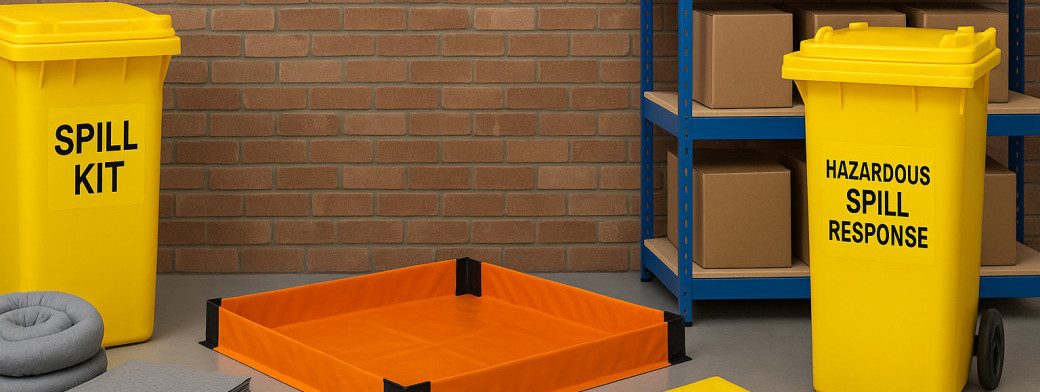
- Contain the Spill: Use absorbent materials to surround the spill and prevent it from spreading, and avoid using water to clean the area.
- Notify Management: Inform warehouse management about the incident to ensure proper procedures are followed.
Recommended Spill Kits and Materials
Having the right spill kits and materials readily available is crucial for effective spill control. Recommended spill kits for lithium products include:
- Chemical Spill Kits: These kits include absorbents specifically designed for chemical spills, including lithium battery electrolytes.
- Neutralising Agents: Materials that can neutralise battery acid should be part of the spill kit to mitigate chemical hazards.
- Personal Protective Equipment (PPE): Ensure that PPE is included for safety during cleanup operations.
- Fire Extinguishers: Class D fire extinguishers are recommended for lithium fires, as they can effectively combat metal fires.
For more information on hazardous waste disposal, you can consult the GOV.UK guidelines on handling hazardous waste.
Implementing these spill control measures and being prepared can significantly reduce the risks associated with handling lithium products in returns warehouses.
Fire-Smart Housekeeping Practices
When handling lithium products, particularly in returns warehouses for e-commerce, implementing fire-smart housekeeping practices is essential to mitigate risks associated with storage and potential leaks. These practices not only ensure compliance with safety guidelines but also protect personnel and property from fire hazards.
Regular Inspections
Conducting regular inspections of storage areas is crucial. These inspections should focus on identifying any signs of damage or leakage in lithium products. Establish a routine schedule for these checks to ensure that any issues are addressed promptly. Look for frayed wires, swollen batteries, or any other physical abnormalities that could indicate a risk of thermal runaway.
Proper Waste Disposal
Disposing of hazardous waste appropriately is a key component of fire-smart housekeeping. Follow the duty of care for hazardous waste handling and disposal outlined by UK regulations. Create a designated area for the disposal of damaged or leaking lithium products, ensuring that it is clearly marked and away from other flammable materials. Use appropriate containers for storage, and ensure that staff are trained on how to handle and dispose of hazardous waste safely.
Training Staff on Fire Safety
Investing in fire safety training for all staff members is an essential step in maintaining a safe working environment. Employees should be educated on the specific risks associated with lithium products and taught how to respond in the event of a fire or emergency. Regular drills and refresher courses can help reinforce this training, ensuring that everyone is prepared to act swiftly and effectively in case of an incident.
By implementing these fire-smart housekeeping practices, returns warehouses can significantly reduce the risk of fire associated with lithium product storage, ultimately enhancing safety for employees and safeguarding property.
Documentation and Disposal of Hazardous Waste
Effectively managing returns warehouses that handle lithium products requires adherence to strict legal requirements concerning hazardous waste. Lithium-ion batteries, when damaged or leaking, fall under hazardous waste regulations that demand careful handling and disposal to mitigate environmental and safety risks. Failure to comply can result in significant penalties.
Legal Requirements for Hazardous Waste
In the UK, the Government guidelines on hazardous waste disposal stipulate that businesses must ensure proper classification, storage, and disposal of hazardous materials. This includes maintaining a comprehensive record of all hazardous waste generated, including lithium products, which must be documented accurately to comply with the Duty of Care obligations.
Documentation Best Practices
To ensure compliance, it is essential to implement documentation best practices. This includes:
- Keeping detailed records of all incoming and outgoing hazardous waste.
- Documenting the condition of returned lithium products, particularly any that are damaged or leaking.
- Utilising standardised forms for recording hazardous waste management activities.
- Training staff on proper documentation procedures to ensure consistency and accuracy.
Regular audits of documentation can help identify any gaps in compliance and improve overall waste management processes.
How to Safely Dispose of Lithium Products
Disposal of lithium products must be conducted through certified hazardous waste disposal companies. It's crucial to follow the guidelines provided by the UK Government and refer to the Hazardous Waste Disposal page for recommended practices and services. Additionally, it is advisable to:
- Package damaged batteries in accordance with safety guidelines to prevent leaks or further damage.
- Utilise designated collection points for hazardous waste to ensure safe transport and disposal.
- Stay informed about local regulations regarding hazardous waste disposal as they can vary by region.
By adhering to these practices, returns warehouses can ensure the safe management and disposal of lithium products, protecting both the environment and public safety.
Conclusion
In summary, managing lithium product returns requires strict adherence to safe storage, effective spill control, and fire-smart housekeeping practices. Ensuring that lithium-ion batteries are stored in designated areas, protected from potential damage, is crucial to prevent hazards such as thermal runaway. Implementing spill control measures, including the use of absorbent materials and proper containment systems, can mitigate risks associated with leaking items.
We urge all warehouse personnel to follow the established guidelines meticulously, as outlined in resources such as the GOV.UK lithium-ion battery safety guidelines and the NFCC fire safety guidance. These documents provide essential information on safe handling and storage practices for lithium products.
Additionally, understanding your duty of care regarding hazardous waste is vital. For more information on disposal, refer to the GOV.UK hazardous waste disposal guidelines.
To further enhance your knowledge and preparedness, consider enrolling in additional training. Visit Serpro’s training programs for comprehensive courses on managing lithium product returns safely.