
Introduction to Gas Cylinder Safety
Gas cylinders are integral to welding operations, providing essential gases such as oxygen, acetylene, and argon. However, improper storage and handling of these cylinders pose significant risks, including leaks, explosions, and fire hazards. The potential for accidents is heightened in fabrication shops and engineering yards, where multiple cylinders are often stored and used simultaneously.
To mitigate these risks, it is crucial to implement stringent safety measures. This includes ensuring that gas cylinders are stored upright in well-ventilated areas, secured to prevent tipping, and kept away from sources of heat or ignition. Regular inspections of cylinders for signs of damage or leaks are also vital. For comprehensive guidance on safe practices, refer to the HSE publication on the safe use of compressed gases in welding.
In the UK, legislation mandates that employers must take all reasonable steps to ensure the safety of their workers when handling hazardous substances. This includes adhering to the DSEAR guidance which outlines the controls necessary for dangerous substances, including flammable gases. Additionally, the COMAH technical measures provide important protocols for the safe storage and handling of gas cylinders.
In summary, understanding the risks associated with gas cylinders and implementing robust safety measures is essential for safeguarding personnel and property in welding operations.
Safe Storage Practices for Gas Cylinders
Ensuring the safe storage of gas cylinders in fabrication shops is crucial for preventing accidents and maintaining a secure working environment. Below are best practices that should be followed to enhance safety and compliance.
Storage Location Requirements
Gas cylinders should be stored in a well-ventilated area, away from sources of ignition and heat. Ideally, the storage location should be designated specifically for gas cylinders, clearly marked, and accessible only to authorized personnel. It is also essential to keep cylinders upright and secured to prevent them from falling. For more detailed guidance, refer to the HSE guidance on cylinder handling.
Cylinder Securing Methods
To ensure stability and prevent accidents, gas cylinders must be secured using appropriate methods. This can include the use of cylinder racks, chains, or straps that are designed to hold the cylinders in an upright position. Additionally, it is advisable to keep empty cylinders separate from full ones to avoid confusion and potential hazards. Regular inspections should be conducted to ensure that securing methods remain effective and that the cylinders themselves are in good condition.
Environmental Considerations
Environmental factors must not be overlooked when storing gas cylinders. The storage area should be protected from adverse weather conditions, and measures should be taken to prevent exposure to corrosive substances. Furthermore, it is vital to have spill containment systems in place to manage any potential leaks. Adequate signage should also be displayed to inform staff about the nature of the gases stored and the associated hazards.
For more information on safe practices, including those related to welding operations, refer to the HSE publication on the safe use of compressed gases.
By adhering to these safe storage practices, fabrication shops can significantly reduce the risk of accidents and ensure a safe working environment for all personnel involved.
Hot Work Housekeeping in Welding Bays
Housekeeping in welding areas is crucial for maintaining safety and preventing accidents. A well-organised workspace not only enhances productivity but also reduces the risk of fire hazards and other incidents. Establishing strict cleaning protocols is essential in ensuring that welding bays are free from combustible materials and debris that could ignite during hot work operations.
Cleaning Protocols
Regular cleaning of welding bays should be scheduled to remove any debris, discarded materials, and spills. This includes:
- Daily inspections and clean-up of the work area.
- Immediate removal of any combustible waste, such as paper, wood, or cloth.
- Proper disposal of used welding rods and other materials in designated containers.
Implementing these protocols helps mitigate the risk of fire and maintains a safe working environment.
Waste Management
Effective waste management strategies are vital in welding bays. All waste materials should be segregated into appropriate bins, particularly flammable and non-flammable items. Regularly scheduled collection of waste is essential to prevent accumulation. Moreover, workers should be trained on how to properly dispose of hazardous materials, following guidelines from HSG139 to ensure compliance with safety regulations.
Fire Prevention Measures
In welding bays, fire prevention measures must be strictly enforced. This includes:
- Ensuring that fire extinguishers are easily accessible and regularly maintained.
- Establishing a clear emergency response plan in case of fire incidents.
- Training all personnel on the proper use of fire-fighting equipment and emergency procedures.
By adhering to these fire prevention measures, the risk of fire during welding operations can be significantly reduced. For more information on controlling dangerous substances, refer to the DSEAR guidance.
In summary, maintaining rigorous housekeeping standards in welding bays is essential for ensuring safety and preventing accidents. By implementing effective cleaning protocols, managing waste appropriately, and enforcing fire prevention measures, we can create a safer working environment for all.
Spill Response Procedures
In the event of a gas spill, it is crucial to act swiftly and efficiently to minimise risks and ensure safety. Here are the essential guidelines for effective spill response:
Immediate Actions
Upon discovering a gas leak, the first step is to ensure the safety of all personnel. Evacuate the area immediately and avoid any actions that could ignite the gas, such as using electrical equipment or open flames. If trained and safe to do so, assess the leak source and attempt to stop or reduce the flow of gas. Alert the site supervisor and follow the established emergency protocols.
Containment Strategies
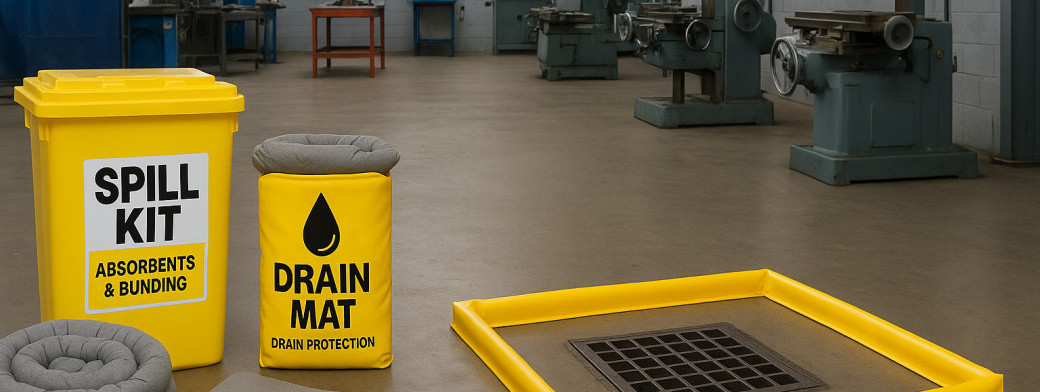
Containment is vital in preventing the spread of gas. If possible, use absorbent materials or spill containment kits specifically designed for gas leaks to control the area around the spill. Ensure that any drainage systems are blocked to prevent gas from entering and spreading to other areas. For more information on effective containment measures, refer to the HSE guidance on cylinder handling.
Emergency Contact Information
It is essential to have emergency contact details readily available. In the case of a significant gas spill, contact your local emergency services immediately. Additionally, have the contact number for gas suppliers and hazardous material experts on hand to assist with the situation. For further assistance and resources on spill response, visit Serpro's Spill Response page.
For comprehensive information on safely using compressed gases, consult the HSE publication HSG139, which covers the safe use of gases in welding and related processes.
Zoning and Signage for Safety
In fabrication shops and engineering yards, the safe storage and use of gas cylinders is paramount. Proper zoning and clear signage are critical components that contribute significantly to the prevention of accidents and the overall safety of personnel.
Zoning Requirements
Zoning is essential in segregating areas where gas cylinders are stored and where welding operations occur. According to the HSE guidance on compressed gases, specific zones should be established to minimise risks associated with flammable gases. These zones should be clearly defined and should restrict access to unauthorised personnel, thereby reducing the likelihood of incidents. It is advisable to have designated areas for storing empty and full cylinders, ensuring they are kept at a safe distance from ignition sources.
Signage Standards
Clear and visible signage plays a crucial role in maintaining safety in areas where gas cylinders are present. Signage should comply with the standards set out by health and safety regulations, including warning signs indicating the presence of flammable gases and prohibitive signs that restrict smoking or open flames. Additionally, information signs that detail emergency procedures and the location of fire extinguishers should be prominently displayed. For more details on signage best practices, refer to the Zoning and Signage guidelines.
Access Control Measures
Implementing access control measures is vital to ensure that only trained and authorised personnel can enter zones where gas cylinders are stored or used. This can be achieved through the use of key card systems, locked gates, or designated entry points monitored by staff. Regular training and drills should also be conducted to ensure that employees understand the importance of adhering to zoning and access control measures, thus fostering a culture of safety within the workplace.
Placement of Safety Kits
In welding bays and fabrication shops, the presence of safety kits is crucial for ensuring a swift response to emergencies. These kits not only provide essential tools for managing incidents but also play a vital role in preventing minor issues from escalating into major hazards. Below, we explore the types of safety kits, placement guidelines, and the importance of regular checks and maintenance.
Types of Safety Kits
Safety kits in welding bays should be tailored to address specific risks associated with welding operations. Common types of safety kits include:
- Fire Extinguishers: Class B extinguishers are essential for managing fires involving flammable liquids and gases.
- First Aid Kits: These should be stocked with materials to treat burns, cuts, and other injuries that may occur during welding.
- Spill Kits: Designed to contain and clean up spills of hazardous materials, these kits are vital for maintaining a safe working environment.
- Personal Protective Equipment (PPE) Kits: Including gloves, goggles, and respirators, these kits help protect workers from exposure to harmful substances.
Placement Guidelines
Proper placement of safety kits can significantly enhance their effectiveness. Here are some guidelines to consider:
- Position safety kits in easily accessible locations, ensuring they are visible and marked with clear signage.
- Place kits near potential hazard areas, such as welding stations, gas cylinder storage, and spill-prone zones.
- Avoid obstructing safety kits with equipment or materials to ensure quick access during emergencies.
Regular Checks and Maintenance
To ensure the readiness of safety kits, regular checks and maintenance are essential. This includes:
- Conducting monthly inspections to verify that all items are present and in good condition.
- Replacing expired or used items promptly to maintain kit effectiveness.
- Training employees on the location and usage of safety kits to ensure quick action in case of emergencies.
For more information on safety kits and their importance in welding operations, visit Serpro's Safety Kits.
Additionally, understanding the regulations surrounding the safe use of compressed gases is critical. For guidance, refer to the HSE’s DSEAR guidance.
Conclusion and Best Practices Summary
In summary, the safe storage and handling of gas cylinders and the execution of welding operations are paramount in protecting personnel and the environment. Key safety measures include:
- Ensuring proper ventilation in welding bays to prevent the accumulation of hazardous gases.
- Implementing robust containment systems to manage potential leaks and spills effectively.
- Regular inspections and maintenance of gas cylinders to identify and rectify any leaks or damage.
- Providing comprehensive training for all personnel involved in handling gases and welding processes.
- Establishing clear emergency response procedures to address spills and leaks promptly.
Compliance with these safety measures is not just a regulatory requirement but a vital aspect of creating a safe working environment. For further guidance, refer to the HSE’s safe use of compressed gases and DSEAR guidance.
In conclusion, prioritising safety in gas cylinder stores and welding bays is an ongoing commitment that requires diligence and adherence to best practices. By fostering a culture of safety and ensuring compliance with established guidelines, we can mitigate risks and protect both workers and the surrounding environment. For more insights into safety protocols, visit our safety overview.