
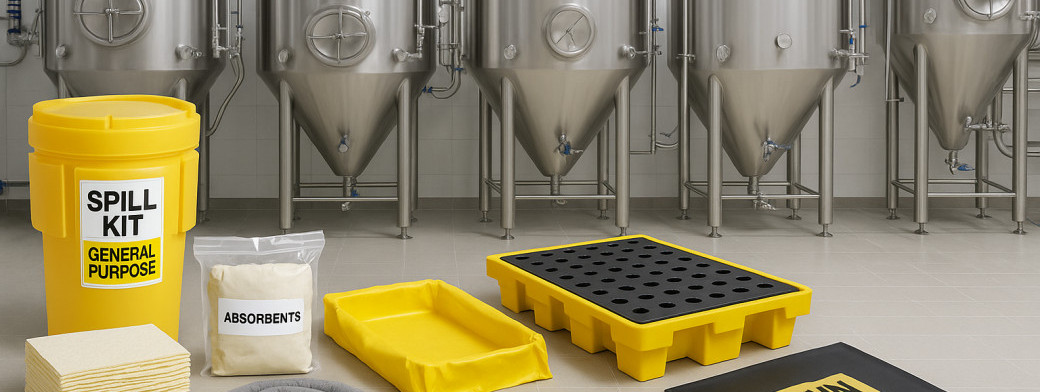
Introduction to Spill Management in Breweries
Effective spill management is crucial in breweries, where various substances, including carbon dioxide (CO2) and caustic cleaning agents, are commonly used. Understanding the types of spills that can occur and implementing robust management strategies can greatly enhance safety and operational efficiency.
Overview of Spill Types
In breweries, spills can be classified into several categories, including chemical spills (such as caustic cleaners), gas leaks (notably CO2), and wet-floor hazards caused by spills of liquids like water or beer. Each type poses unique challenges and risks, from chemical exposure to slip and fall accidents.
Importance of Spill Management
Proper spill management is essential for maintaining a safe working environment and ensuring regulatory compliance. Inadequate handling of spills can lead to serious health risks, environmental damage, and costly downtime. Adopting comprehensive spill management practices not only protects employees but also safeguards the brewery's reputation and operational integrity.
Key Areas of Focus
Three critical areas of spill management in breweries include:
- CO2 Management: Given the potential for dangerous leaks, monitoring and managing CO2 levels is vital. Regular inspections and proper ventilation systems are essential.
- Caustic Cleaning Oversight: Caustic cleaners, while effective, can be hazardous. Adhering to COSHH guidelines ensures safe usage and exposure controls for these chemicals.
- Wet-Floor Control Measures: To prevent slips and trips, implementing HSE's guidance on slips and trips is crucial. This includes using appropriate signage, mats, and maintaining proper drainage systems.
For more detailed information on spill management solutions tailored for breweries, consider visiting Serpro's Spill Management page.
Types of Spills in Breweries
Brewery operations involve various processes that can lead to different types of spills, each presenting unique hazards. Understanding these spills is crucial for implementing effective spill management strategies.
CO2 Spills
Carbon dioxide (CO2) is a common byproduct of fermentation in breweries. While it is essential for carbonation, excessive CO2 can pose serious risks, particularly in confined spaces. A CO2 spill can lead to elevated levels of this gas, resulting in asphyxiation or respiratory issues for workers. It is vital to monitor CO2 levels and ensure proper ventilation to mitigate these risks. For more information on managing these hazards, refer to the HSE DSEAR guidance.
Caustic Cleaning Agent Spills
Breweries frequently use caustic cleaning agents to maintain hygiene and equipment cleanliness. However, spills of these chemicals can lead to severe skin and eye irritation, and if inhaled, respiratory problems may arise. It is essential to follow the HSE COSHH guidelines to manage exposure to these hazardous substances effectively. Implementing proper storage protocols and spill containment measures can significantly reduce the risks associated with caustic cleaners.
Wet-Floor Hazards
Wet floors are a common occurrence in breweries, especially in areas where cleaning is frequent. These conditions can create slip and trip hazards, posing a risk to staff safety. It is recommended to establish clear signage indicating wet floors and to utilise absorbent mats or non-slip flooring to reduce these hazards. For more comprehensive guidance on managing slip risks, consult the HSE Slips and Trips guidance.
By understanding the types of spills that can occur in breweries, operators can better implement targeted spill management strategies to protect their workforce and maintain a safe working environment. For more detailed information on various types of spills, visit Serpro's Types of Spills page.
Personal Protective Equipment (PPE) Considerations
When managing spills in breweries, ensuring the safety of staff is paramount. Proper personal protective equipment (PPE) is essential to mitigate risks associated with CO2, caustic cleaners, and wet-floor conditions.
PPE for CO2 Spills
Carbon dioxide (CO2) is a common byproduct in breweries and can pose asphyxiation risks in high concentrations. When dealing with CO2 spills, staff should wear:
- Respiratory protection: Use a suitable respirator equipped with a carbon dioxide filter, especially in poorly ventilated areas.
- Protective eyewear: Safety goggles to prevent eye irritation from potential gas exposure.
- High-visibility clothing: Ensures that staff are easily seen in low-light or high-traffic areas.
PPE for Handling Caustic Cleaners
Caustic cleaners are essential for maintaining hygiene but can be hazardous. When handling these substances, staff should utilise:
- Chemical-resistant gloves: Nitrile or neoprene gloves offer excellent protection against caustic burns.
- Face shields: Protects the face and eyes from splashes during cleaning.
- Aprons: Waterproof aprons help shield clothing and skin from corrosive materials.
For more detailed guidance on handling caustic substances, refer to the HSE – COSHH guidelines.
General Safety Gear for Wet-Floor Conditions
Wet floors can lead to slips and trips, which are common hazards in breweries. Essential safety gear includes:
- Non-slip footwear: Shoes with good traction reduce the risk of slips on wet surfaces.
- High-visibility vests: Ensure that staff are easily identifiable, especially in busy areas.
For comprehensive strategies on managing slip hazards, consult the HSE – Slips and Trips guidance.
Best Practices for Hygiene and Spill Control
Maintaining a clean and safe brewery environment is essential for both product quality and employee safety. Implementing best practices for hygiene and spill control can significantly reduce the risk of accidents and ensure compliance with health and safety regulations.
Routine Maintenance
Regular maintenance of equipment and facilities is crucial in preventing spills and ensuring hygiene. Schedule routine inspections of brewing equipment, storage tanks, and cleaning stations to identify any potential leaks or wear. Establish a cleaning schedule that includes daily, weekly, and monthly tasks to keep the brewery environment clean and organised. For further insights on hygiene best practices, consider visiting Serpro's hygiene best practices.
Proper Storage of Cleaning Agents
Caustic cleaning agents and other hazardous materials should be stored in a designated area that is well-ventilated and away from direct sunlight. Ensure that containers are clearly labelled and that safety data sheets (SDS) are readily available. This will help in managing exposure and controls, as outlined in the HSE COSHH guidelines. Additionally, consider using spill trays or containment systems to catch any leaks or spills from cleaning agents.
Training Staff on Spill Response
Proper training is key to effective spill management. All staff should receive training on how to respond to spills, including the use of personal protective equipment (PPE) and spill kits. Conduct regular drills to ensure that employees are familiar with the procedures and can act quickly in the event of a spill. For more detailed guidance on managing slips and trips, refer to the HSE slips and trips guidance.
By integrating these best practices into your brewery operations, you can enhance hygiene, minimise spill risks, and ensure a safer working environment for all employees.
Wet-Floor Control Measures
Wet floors in breweries pose significant safety hazards, particularly when dealing with spills of caustic cleaners or CO2. Implementing effective control measures is crucial for ensuring a safe working environment. Below are key strategies to manage wet-floor hazards.
Signage and Warnings
Clear signage is essential for alerting staff and visitors to wet floors. Use standardised warning signs that indicate slippery conditions. These should be placed at strategic locations, especially near areas where spills are likely to occur. Regularly inspect and replace any damaged or faded signs to maintain visibility and effectiveness.
Non-Slip Flooring Options
Investing in non-slip flooring can significantly reduce the risk of slips and falls. Consider materials that provide a high level of grip, even when wet. Options such as textured vinyl or treated concrete can be effective. Additionally, using anti-slip coatings on existing floors can enhance safety without the need for a complete overhaul.
Immediate Clean-Up Procedures
Establishing immediate clean-up protocols is vital in a brewery setting. Train staff to respond quickly to spills, using appropriate absorbent materials or specialised cleaning equipment. Ensure that all employees are familiar with the location of spill kits and that they understand how to use them effectively. For caustic cleaners, refer to the COSHH guidelines to manage exposure and ensure safe handling during clean-up.
In addition to these measures, regular training sessions can reinforce the importance of wet-floor control in maintaining a safe brewery environment. By prioritising these strategies, breweries can significantly reduce the risk of accidents and ensure compliance with health and safety regulations.
Recommended Products for Spill Management
Effective spill management in breweries is crucial for maintaining safety and hygiene. Here are some recommended products that can aid in managing spills of caustic substances, CO2, and wet floors.
Absorbents for Caustic Spills
When dealing with caustic cleaning agents, it's essential to have high-quality absorbents on hand. Look for specialised absorbent pads and granules that are designed specifically for alkaline substances. These products can quickly neutralise and contain caustic spills, preventing them from causing damage or creating hazardous conditions. Always ensure that the absorbents you choose comply with COSHH regulations to manage exposure effectively.
CO2 Detection Systems
Monitoring CO2 levels is vital for the safety of brewery staff. Install CO2 detection systems that provide real-time monitoring and alerts when concentrations reach unsafe levels. Such systems not only enhance workplace safety but also ensure compliance with health and safety standards. Regular testing and maintenance of these systems are recommended to guarantee their reliability.
Non-slip Mats and Signage
To mitigate the risk of slips and trips due to wet floors, invest in non-slip mats that can be placed in high-traffic areas, especially near cleaning stations. Additionally, clear signage indicating wet floors is crucial for alerting staff and visitors to potential hazards. For further guidance on managing slip risks, refer to the HSE's core guidance on slips and trips.
By utilising these recommended products, breweries can significantly improve their spill management strategies, ensuring a safer working environment for all staff.
Conclusion
In summary, effective spill management in breweries primarily revolves around three critical types of spills: CO2 leaks, caustic cleaning agents, and wet-floor hazards. Each type presents its own unique challenges and risks, necessitating tailored strategies for control and mitigation.
Personal protective equipment (PPE) is paramount in safeguarding employees from potential exposure to hazardous substances. Whether dealing with caustic cleaners or the risks posed by CO2, ensuring that staff are equipped with appropriate PPE can significantly reduce the likelihood of accidents and health issues.
To encapsulate the best practices discussed, breweries should implement a comprehensive spill management plan that includes:
- Regular training on spill response and equipment handling.
- Installation of CO2 monitoring systems to detect leaks promptly.
- Utilisation of effective caustic cleaning solutions in conjunction with proper handling protocols.
- Adopting wet-floor control measures, including signage and mats, to minimise slip hazards.
By integrating these strategies, breweries can create a safer work environment, enhance operational efficiency, and comply with health and safety regulations. For more detailed guidance on spill management, including specific regulations and best practices, refer to the HSE resources on DSEAR, COSHH, and slips and trips.
For further insights and a comprehensive overview of spill management strategies, visit our conclusion page.