
Introduction
Airport de-icing operations are essential for ensuring the safety and efficiency of air travel during winter months. These operations typically involve the application of de-icing fluids, primarily glycol-based products, to remove ice and snow from aircraft surfaces. While these fluids are effective in maintaining aircraft operability, they can pose significant environmental risks if not managed properly.
The importance of effective spill management during de-icing operations cannot be overstated. Glycol and fuel spills can lead to serious environmental contamination, affecting soil and water resources and potentially harming local wildlife. Additionally, the accumulation of de-icing agents and fuel on airport aprons can create hazardous conditions, leading to slips and trips, which are a common concern in these operational areas. According to the GOV.UK guidance on pollution prevention, businesses must take proactive measures to avoid pollution from chemical handling and run-off.
Furthermore, the Health and Safety Executive (HSE) outlines the need for managing exposure and risk controls for de-icing chemicals, including the importance of proper storage and handling protocols. By implementing robust spill management strategies, airports can mitigate the risks associated with glycol and fuel spills, ensuring a safer environment for both personnel and the surrounding ecosystem.
In this article, we will explore practical solutions and best practices for spill management during airport de-icing operations, focusing on effective containment, clean-up methods, and preventive measures to safeguard our environment.
Risks of De-icing Fluids
De-icing operations at airports typically involve the use of various de-icing fluids, primarily propylene glycol and ethylene glycol. These fluids are essential for ensuring the safety of aircraft during winter conditions, but they come with significant environmental and health risks that must be carefully managed.
Types of De-icing Fluids
The most common types of de-icing fluids used at airports are:
- Type I Fluids: Typically heated and used for de-icing, these fluids are primarily made from propylene glycol or ethylene glycol.
- Type II and Type III Fluids: These are used for anti-icing and are designed to provide longer-lasting protection against ice formation.
- Type IV Fluids: Similar to Type II and III, but with a higher viscosity to adhere better to aircraft surfaces.
Environmental Impact of Glycol and Fuel Spills
Spills of glycol and fuel during de-icing operations can have severe consequences for the environment. Glycol spills can lead to the contamination of local water sources, affecting aquatic life and water quality. The high biochemical oxygen demand (BOD) of glycol can deplete oxygen levels in water bodies, harming fish and other organisms.
Additionally, fuel spills pose a risk of soil and water contamination, which can lead to long-term ecological damage. The UK government provides guidelines on pollution prevention, emphasizing the importance of spill management to mitigate these risks.
Health Risks to Workers
Workers involved in de-icing operations are exposed to various health risks associated with the chemicals used. Prolonged exposure to glycol can cause skin irritation, respiratory issues, and other health problems. The Health and Safety Executive (HSE) outlines the importance of managing exposure to hazardous substances through proper training and the use of personal protective equipment (PPE).
Moreover, wet surfaces from de-icing operations increase the risk of slips and trips, which are common hazards in external work areas. Implementing effective safety measures is crucial in reducing these risks, as highlighted in the HSE's guidance on slips and trips.
Effective Spill Control Measures
During airport de-icing operations, effective spill management is crucial to mitigate environmental impacts and ensure safety. Glycol, fuel, and apron run-off can pose significant risks if not handled properly. Here are some practical solutions and best practices for managing spills effectively.
Use of Absorbent Materials
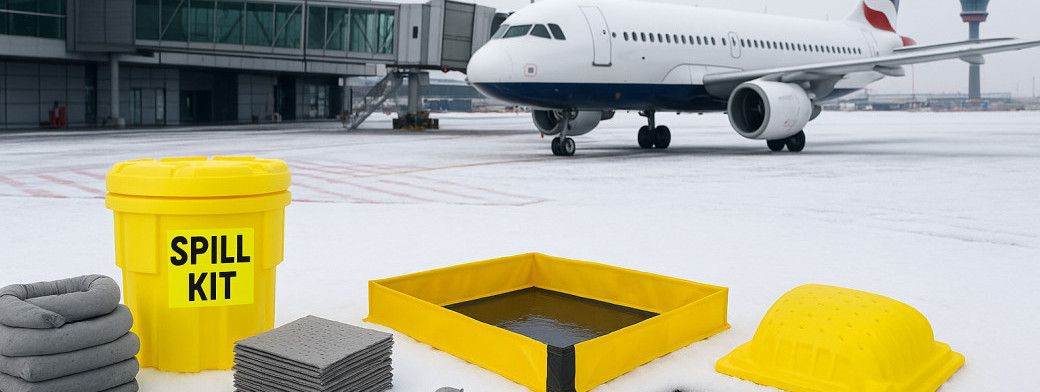
Utilising absorbent materials is essential in controlling spills during de-icing operations. These materials can quickly absorb liquids, preventing them from spreading and entering drainage systems. Operators should keep absorbent pads, booms, and granules readily available at de-icing sites. Regularly training staff on the proper use and disposal of these materials is equally important to ensure effective spill response.
Training for Staff
Comprehensive training for all staff involved in de-icing operations is critical. This training should cover the safe handling of de-icing chemicals, spill response procedures, and the importance of reporting spills immediately. Regular refresher courses can keep staff updated on best practices and new regulations. Reference materials such as HSE's COSHH guidelines can provide valuable information on managing exposure and risk controls associated with de-icing chemicals.
Regular Maintenance of Equipment
Preventative maintenance of de-icing equipment is vital to reduce the risk of spills. Regular inspections should be conducted to ensure that all machinery is functioning correctly and that there are no leaks. Furthermore, maintaining proper storage facilities for de-icing agents can prevent accidental spills. Operators should also be aware of slip and trip hazards in wet areas, ensuring that surfaces are kept clean and dry to minimise risks during operations.
By implementing these effective spill control measures, airports can significantly reduce the environmental impact of de-icing operations while ensuring the safety of their staff and passengers. For more information on pollution prevention, refer to GOV.UK's guidance on pollution prevention.
Drain Protection Strategies
Effective management of de-icing fluid run-off is crucial for maintaining the integrity of drainage systems at airports. Implementing robust drain protection strategies can significantly reduce the risk of environmental contamination and ensure compliance with regulations. Here are some practical solutions to protect drainage systems from de-icing fluid, glycol, and fuel run-off.
Installation of Interceptors
One of the most effective methods for controlling de-icing fluid run-off is the installation of interceptors. These systems are designed to capture and separate pollutants from stormwater before they enter the drainage system. By using interceptors, airports can effectively manage the concentration of harmful substances, ensuring that only clean water is discharged into the environment.
Regular Inspection of Drainage Systems
Routine inspections of drainage systems are vital to identify potential blockages or failures that could lead to contamination. Regular maintenance checks should be scheduled to assess the condition of pipes, drains, and interceptors. This proactive approach allows for timely repairs and reduces the likelihood of spills impacting the drainage system. For guidelines on pollution prevention, refer to the GOV.UK guidance, which provides comprehensive advice on managing pollutants effectively.
Use of Barriers
Implementing physical barriers can also play a significant role in controlling spillages during de-icing operations. Barriers can be installed around high-risk areas to contain any accidental releases of de-icing fluids, preventing them from reaching drainage systems. Additionally, using absorbent materials and spill kits near de-icing zones can help quickly address any spills that do occur, further minimizing the risk of run-off contamination.
By adopting these drain protection strategies, airports can not only comply with environmental regulations but also safeguard natural water sources from harmful pollutants associated with de-icing operations.
Emergency Response Steps
In the event of a spill during airport de-icing operations, prompt and effective action is crucial to minimise environmental impact and ensure safety. Here are the essential steps to take:
Immediate Actions to Contain the Spill
As soon as a spill is identified, the first priority is to contain it to prevent further spread. Use absorbent materials such as booms or pads to encircle the spill. If safe to do so, shut off any nearby drains to prevent runoff into the drainage system. Always wear appropriate personal protective equipment (PPE) as specified in the HSE COSHH guidelines when approaching the spill.
Notification Procedures
Once the spill is contained, immediately notify the airport’s emergency response team. Follow the established notification procedures, which may include alerting your supervisor and the relevant environmental authorities. Ensure that all communications are clear and provide details such as the type of substance, volume, and location of the spill. Familiarise yourself with the pollution prevention guidelines to effectively manage the situation.
Cleanup Methods
For cleanup, use appropriate methods based on the type of spill. Glycol spills may require specific neutralising agents, while fuel spills should be addressed with hydrocarbon absorbents. Dispose of any contaminated materials in accordance with local regulations and environmental best practices. Always consult the HSE guidelines on slips and trips to mitigate risks during cleanup operations. For additional resources on emergency response products, visit Serpro.
Compliance with UK/EU Regulations
In the context of airport de-icing operations, compliance with UK and EU regulations is critical for effective spill management. Key regulations such as the Environmental Protection Act and the Control of Substances Hazardous to Health (COSHH) set out legal obligations that airports must adhere to in order to prevent environmental contamination and ensure the safety of staff and passengers.
Overview of Relevant Regulations
Under the Pollution Prevention Guidance, businesses are required to implement measures to prevent pollution during de-icing processes. This includes proper handling and storage of de-icing agents, such as glycol, which can be harmful if released into the environment. Additionally, the COSHH regulations mandate that employers assess risks associated with hazardous substances, ensuring appropriate control measures are in place to protect workers from exposure.
Consequences of Non-Compliance
Failure to comply with these regulations can result in severe consequences, including hefty fines, legal action, and damage to an airport's reputation. Non-compliance can also lead to environmental degradation, which may have long-term ecological impacts and result in costly remediation efforts. Furthermore, inadequate spill management can increase the risk of accidents, posing safety hazards to employees and passengers alike.
Best Practices for Adherence
To ensure compliance with UK and EU regulations, airports should adopt best practices for spill management during de-icing operations. These include:
- Regular training for staff on the proper handling of de-icing agents and spill response procedures.
- Implementation of spill prevention measures, such as secondary containment systems to capture any potential leaks.
- Routine inspections of storage areas and de-icing equipment to identify and rectify potential hazards.
- Establishing a clear spill response plan that complies with both local and national regulations.
- Keeping abreast of updates to regulations and guidance, such as those provided by the Health and Safety Executive (HSE).
By adhering to these practices, airports can ensure they meet their legal obligations while protecting the environment and enhancing operational safety.
Conclusion
In summary, effective spill management during airport de-icing operations is crucial to safeguarding the environment and ensuring the safety of airport personnel. The use of de-icing fluids, particularly glycol-based products, poses potential risks of contamination if spills are not managed properly. Implementing robust spill response strategies can significantly mitigate these risks.
Key points to remember include the importance of regular training for staff on spill response procedures, the necessity of having appropriate containment systems in place, and the need for ongoing monitoring of areas where spills are likely to occur, such as aprons and taxiways. By adopting these best practices, airports can reduce the environmental impact of glycol and fuel spills while also maintaining compliance with regulations.
We urge all airport operators and maintenance teams to review their spill management plans regularly. Staying updated with the latest guidelines from authoritative sources, such as GOV.UK on pollution prevention and HSE guidance on managing chemical exposure, is essential for effective risk management.
Furthermore, enhancing spill management practices not only protects the environment but also contributes to a safer working environment for all. We encourage all stakeholders to take proactive steps in improving their practices and ensuring that spill response measures are both effective and efficient.