
Introduction
Spill management refers to the systematic approach taken by local authorities and highways to prevent, respond to, and mitigate the impacts of hazardous material spills. Effective spill management is crucial for local authorities, as it not only safeguards public health and the environment but also protects valuable infrastructure and water resources. The potential risks associated with spills include contamination of soil and watercourses, damage to ecosystems, and significant economic costs arising from cleanup efforts and regulatory fines.
In this blog, we will explore several key areas of spill management relevant to local authorities and highway maintenance. We will discuss the importance of monitoring fleet leaks, the necessity of having well-equipped roadside spill kits, and strategies for protecting gullies and watercourses from pollution incidents. Furthermore, we will cover the significance of public communication during spill events and the importance of incident logging for future reference and improvement.
By understanding and implementing robust spill management practices, local authorities can enhance their resilience against pollution incidents, ensuring a safer and cleaner environment for all.
Gritter/Maintenance Fleet Leaks
Leaks from maintenance and gritter fleets can pose significant risks to both the environment and infrastructure. Understanding the common causes of these leaks is vital for local authorities and highway teams to implement effective spill management strategies.
Common Causes of Fleet Leaks
Fleet leaks often arise from a variety of sources, including:
- Aging Equipment: Older vehicles may have worn seals and gaskets that can lead to fluid leaks.
- Poor Maintenance: Inadequate routine maintenance can result in undetected leaks that worsen over time.
- Operational Wear and Tear: Regular use in harsh conditions can exacerbate wear on components, leading to leaks.
Impact on the Environment and Infrastructure
The consequences of fleet leaks are far-reaching. Environmental impacts include:
- Pollution of Watercourses: Leaked fluids can contaminate nearby water sources, harming aquatic life and ecosystems.
- Soil Contamination: Spills can lead to long-term soil damage, affecting land use and public health.
- Infrastructure Damage: Accumulated leaks can degrade road surfaces and drainage systems, leading to costly repairs.
Preventative Maintenance Strategies
To mitigate the risk of fleet leaks, local authorities should implement the following preventative maintenance strategies:
- Regular Inspections: Schedule routine checks for leaks and address any issues identified promptly.
- Training for Operators: Ensure that personnel are trained to identify potential leak sources and report them immediately.
- Upgrading Equipment: Invest in modern fleet vehicles that are designed with better leak prevention technologies.
For more comprehensive guidance on protecting gullies and drains from pollution incidents, refer to the UK Roads Liaison Group's Highway Drainage Guidance.
By prioritising effective spill management practices, local authorities can significantly reduce the environmental impacts of fleet leaks and ensure the integrity of highway infrastructure.
Roadside Spill Response Kits
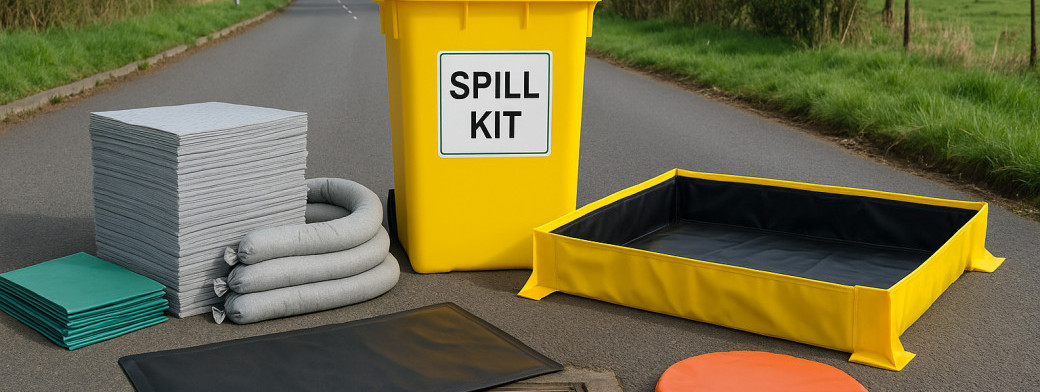
Having effective roadside spill response kits is essential for local authorities and highways departments to quickly manage spills and protect the environment. These kits can significantly mitigate the impact of spills on roadways, watercourses, and surrounding areas.
Components of an Effective Spill Kit
An effective spill kit should contain a variety of components to handle different types of spills. Key items include:
- Absorbent materials: Such as pads, booms, and granules designed to soak up oils, chemicals, and other liquids.
- Personal protective equipment (PPE): Including gloves, goggles, and aprons to ensure the safety of responders.
- Containment tools: Items like buckets and containers to collect and transport waste safely.
- Disposal bags: For the safe disposal of contaminated materials.
- Instruction manuals: Clear guidelines on how to effectively use the kit in various scenarios.
Best Practices for Deployment
To ensure that spill kits are used effectively, local authorities should adhere to best practices:
- Place spill kits in easily accessible locations along highways, particularly in areas prone to spills.
- Regularly check and restock kits to ensure they are always ready for use.
- Conduct drills to familiarise staff with the contents and usage of the kits.
Training for Staff on Using Spill Kits
Proper training is crucial for staff who may be required to use spill kits. Training should include:
- Understanding the types of spills and the appropriate response measures.
- Hands-on practice with the equipment in the spill kit.
- Regular refresher courses to keep skills up to date.
For more information on spill kits, visit Serpro's Spill Kits.
Additionally, consult the UK Roads Liaison Group for guidance on protecting gullies and drains from pollution incidents.
Implementing these strategies will help ensure that local authorities are prepared to respond effectively to spills, thereby safeguarding the environment and public safety.
Protecting Gullies and Watercourses
Gullies and watercourses play a crucial role in managing surface water runoff and maintaining the health of our ecosystems. They are essential for preventing flooding, reducing pollution, and supporting biodiversity. However, these vital resources are at risk from pollution incidents, particularly spills from vehicles and equipment used by local authorities and highways.
Importance of Gullies and Watercourses
Gullies are designed to collect and channel surface water, while watercourses provide natural drainage and habitat for wildlife. Protecting these features is not only vital for environmental health but also for the communities that rely on clean water for recreation and drinking. Pollution incidents can lead to long-term ecological damage, which is why proactive measures are necessary.
Methods to Protect Them from Spills
Local authorities can implement several strategies to safeguard gullies and watercourses from spills:
- Regular Maintenance: Routine cleaning and maintenance of gullies can prevent blockages and ensure effective drainage. This includes clearing debris and checking for signs of pollution.
- Installation of Spill Containment Systems: Consider installing spill containment systems near vulnerable areas, which can capture and contain spills before they reach gullies or watercourses.
- Use of Absorbent Materials: Employ absorbent materials in high-risk areas to quickly address spills and prevent them from entering drainage systems.
- Education and Training: Training staff on spill response and the importance of protecting watercourses can improve overall compliance and effectiveness in spill management.
Role of Local Authorities in Monitoring
Local authorities play a pivotal role in monitoring and managing spills to protect gullies and watercourses. This includes:
- Regular Inspections: Conducting regular inspections of drainage systems and surrounding areas to identify potential risks and address them proactively.
- Collaborating with Environmental Agencies: Working with agencies such as the Environment Agency to develop effective pollution incident response plans.
- Public Awareness Campaigns: Engaging the community in awareness campaigns about the importance of keeping gullies and watercourses clean and the impact of pollution.
For more information on best practices for protecting gullies and drains from pollution incidents, refer to the UK Roads Liaison Group – Highway Drainage Guidance.
By taking these proactive measures, local authorities can significantly reduce the risk of pollution incidents affecting gullies and watercourses, ensuring the protection of vital water resources for future generations.
Public-Interface Communication
Effective communication with the public during spill incidents is critical for ensuring safety and maintaining trust. Timely communication helps to inform residents about the situation, the potential impact, and the actions being taken to mitigate any risks.
Importance of Timely Communication
When a spill occurs, the first few hours are crucial. Prompt updates can prevent misinformation and panic, guiding the public on safety measures and any necessary actions they should take. According to the Environment Agency, having a clear communication strategy is essential for effective incident management.
Channels for Public Communication
Local authorities should utilise various channels to reach the public effectively. These include:
- Social Media: Platforms like Twitter and Facebook can be used for real-time updates.
- Local News Outlets: Engaging with local newspapers and radio stations can help spread the word quickly.
- Official Websites: Updates should be posted on the local authority's website, ideally on a dedicated incident page.
- Community Meetings: Holding public meetings can provide an opportunity for direct communication and addressing community concerns.
Templates for Public Notices
Having pre-prepared templates for public notices can streamline the communication process during spill incidents. These templates should include:
- A brief description of the incident.
- Actions being taken by the local authority.
- Safety measures residents should follow.
- Contact information for further inquiries.
For more information on public communication strategies, visit Serpro's guidelines.
By leveraging these strategies, local authorities can enhance their communication efforts, ensuring the public is well-informed and prepared during spill incidents.
Evidence Logs for Incidents
Maintaining thorough evidence logs for spill incidents is crucial for local authorities and highways management. These logs serve not only as a record of what occurred but also as a vital tool for improving future spill response and prevention strategies.
What to Include in an Evidence Log
An effective evidence log should capture the following key details:
- Date and time: Record when the incident occurred and when it was reported.
- Location: Specify the exact site of the spill, including GPS coordinates if possible.
- Nature of the spill: Describe the substance involved, its quantity, and any immediate hazards it posed.
- Response actions taken: Document the steps taken to contain and clean the spill, including personnel involved and equipment used.
- Environmental impact: Note any observed effects on local wildlife, watercourses, or public health.
- Follow-up actions: Record any necessary remediation measures and their completion status.
Benefits of Thorough Documentation
Keeping detailed evidence logs has several benefits:
- Accountability: Logs provide a clear record of actions taken, which can be essential for accountability and transparency.
- Compliance: Accurate documentation supports compliance with regulations and guidelines, such as those outlined by the Environment Agency.
- Performance analysis: Reviewing logs can help identify trends and areas for improvement in spill response protocols.
How to Use Logs for Future Prevention
Evidence logs are not just historical records; they are instrumental in shaping future policies. By analysing the data collected over time, local authorities can:
- Identify patterns: Recognize recurring issues or high-risk areas that may require targeted interventions.
- Enhance training: Use insights from past incidents to inform training programs for staff, ensuring they are better prepared for future spills.
- Develop preventive measures: Implement strategic changes to infrastructure or processes to mitigate the risk of similar incidents happening again.
For further information on incident logging, visit Serpro's incident logging page.
Conclusion
In summary, effective spill management is crucial for local authorities and highways to mitigate environmental risks and protect public health. By addressing fleet leaks, equipping roadside spill kits, and safeguarding gullies and watercourses, authorities can significantly reduce the impact of spills on the environment.
Local authorities are encouraged to take a proactive stance in spill management by implementing comprehensive strategies and ensuring that all staff are trained in best practices. For further guidance, refer to the spill management resources available that outline best practices and effective response strategies.
Ongoing education and training are essential for maintaining a high standard of spill management. By investing in regular training sessions, local authorities can ensure that their teams are well-prepared to handle incidents promptly and effectively. This not only helps in managing current challenges but also fosters a culture of environmental responsibility within the community.
For additional information on pollution incident response planning, local authorities can consult the Environment Agency's guidance or the UK Roads Liaison Group's Highway Drainage Guidance. Together, let us commit to safeguarding our environment through diligent spill management practices.