
Introduction
Spill control refers to the methods and practices employed to prevent and manage the release of hazardous substances, such as oils, fuels, and solvents, into the environment. In marine engineering workshops, effective spill control is crucial to safeguarding both the environment and human health. Given the nature of the work conducted in these facilities, the risk of spills is a significant concern that must be proactively addressed.
The importance of spill control in marine engineering cannot be overstated. With the handling of various hazardous materials, including fuels and solvents, the potential for environmental contamination is high. According to GOV.UK, businesses must comply with stringent regulations to prevent oil spills and ensure safe storage practices. Failure to implement effective spill control measures can lead to severe penalties, not to mention the detrimental impact on local ecosystems.
Marine workshops face a variety of risks associated with spills. The most pressing concerns include:
- Oils and Fuels: Leakage or spillage of oils and fuels can contaminate soil and water sources, posing serious risks to aquatic life and drinking water supplies.
- Solvents: Many solvents are volatile and harmful, presenting both health risks to workers and environmental hazards if not managed correctly.
- Water-adjacent Risks: Workshops located near water bodies must be particularly vigilant, as spills can quickly spread and cause widespread environmental damage.
To mitigate these risks, it is essential to invest in appropriate spill kits and absorbent materials, as well as to implement effective bunding strategies. Adhering to guidelines set forth by regulatory bodies can help ensure that marine engineering workshops operate safely and responsibly.
Types of Spills
Marine engineering workshops are environments where various substances are handled, and spills can occur in several forms. Understanding the classification of spills is crucial for effective spill control and environmental protection.
Classification of Spills
Spills in marine engineering can be broadly classified into four categories: oils, fuels, solvents, and water-related risks. Each type poses unique challenges and potential impacts on both safety and the environment.
Oils
Oil spills are among the most common incidents in marine workshops. This category includes spills from machinery lubricants, hydraulic oils, and fuel oils. For example, a leak from an oil drum can lead to significant contamination of the workshop floor and surrounding areas, potentially entering local waterways. The Oil Storage Regulations outline the necessary precautions to prevent such incidents.
Fuels
Fuels, including petrol and diesel, are frequently used in marine engines and equipment. A spill from a fuel tank or during refuelling can create hazardous conditions, posing risks of fire and explosion. The implications of fuel spills extend to air and water pollution, which can be detrimental to marine life.
Solvents
Solvents, often used for cleaning and degreasing, can also lead to spills that are harmful to both human health and the environment. Common examples include acetone and mineral spirits. These substances can evaporate quickly, leading to air quality issues and potential health hazards for workshop personnel.
Water-Adjacent Risks
Workshops located near water bodies face additional risks, particularly from rainwater runoff that may carry contaminants into nearby aquatic environments. Adhering to the pollution prevention guidelines is essential for mitigating these risks and protecting local ecosystems.
Overall, the potential impacts of these spills can be severe, affecting not only workshop safety but also local wildlife and water quality. Implementing effective spill control measures, including the use of spill kits, is vital for managing these risks.
Prevention Measures
Effective spill control in marine engineering workshops begins with robust prevention measures that mitigate the risk of spills from oils, fuels, solvents, and other hazardous materials. By implementing a combination of regular maintenance, proper storage practices, and comprehensive staff training, workshops can significantly reduce the likelihood of spills.
Regular Maintenance of Equipment
Routine maintenance of machinery and equipment is crucial in preventing spills. Regular inspections should be conducted to identify any signs of wear and tear, leaks, or corrosion that could lead to spills. Implementing a proactive maintenance schedule not only extends the lifespan of equipment but also ensures that potential hazards are addressed promptly. According to GOV.UK, maintaining equipment in good working order is a fundamental aspect of spill prevention.
Proper Storage Practices
Storing oils and fuels correctly is vital to preventing spills. All liquids should be stored in designated bunded areas that comply with safety regulations. Bunding, as detailed on Serpro, involves creating a secondary containment system that can hold any potential leaks or spills. This practice is essential for compliance with the UK oil storage regulations, which outline necessary guidelines for businesses to safely store oils and prevent environmental contamination.
Training for Staff
Ensuring that all staff members are adequately trained in spill response and prevention is a critical component of an effective spill control strategy. Training should cover the proper handling and storage of hazardous materials, as well as the steps to take in the event of a spill. According to GOV.UK, educating staff about environmental protection principles can significantly enhance a workshop's ability to manage spills effectively.
By adopting these prevention measures, marine engineering workshops can create a safer working environment and protect the surrounding ecosystems from the adverse effects of spills.
Spill Response Strategies
Effective spill response strategies are crucial for minimising environmental impact and ensuring safety in marine engineering workshops. Having a well-defined plan in place can make a significant difference in the outcome of a spill incident.
Immediate Response Actions
When a spill occurs, the first step is to assess the situation quickly and calmly. Personnel should immediately alert others in the vicinity and secure the area to prevent further spread of the spill. It is essential to identify the type of substance spilled—whether it is oil, fuel, solvent, or other hazardous materials—so that appropriate measures can be taken. For spills involving oils and fuels, refer to the Oil Storage Regulations and Safety for guidance on required actions.
Use of Spill Kits and Absorbents
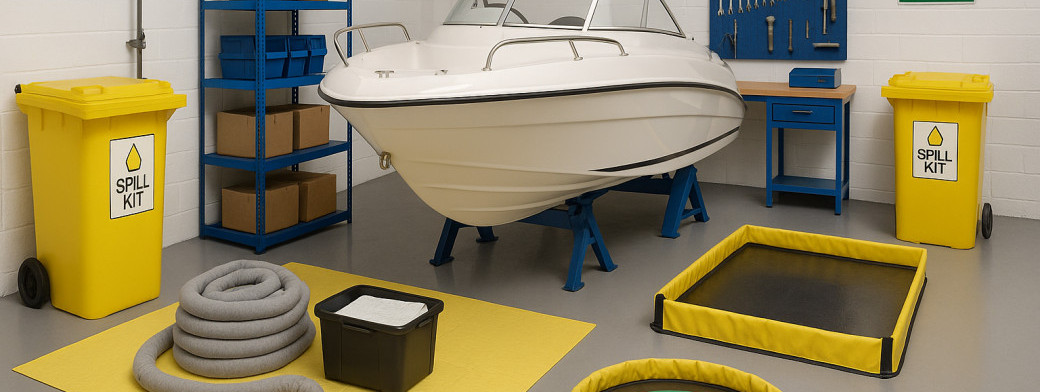
Marine engineering workshops should be equipped with spill kits that are easily accessible and regularly maintained. These kits should contain absorbents, booms, and other materials specifically designed for the types of spills that may occur. For more information on absorbents, visit Serpro's Absorbents. Upon discovering a spill, personnel should promptly deploy the appropriate absorbents to contain and clean up the spill, following the instructions provided in the spill response plan.
Reporting Procedures
Once the immediate response actions have been taken, it is vital to report the spill to the appropriate authorities. This includes informing management and, if necessary, local environmental agencies, especially if the spill poses a risk to water bodies. Following the pollution prevention guidelines for businesses can help ensure compliance with regulatory requirements and promote environmental stewardship.
Legal Requirements
Marine engineering workshops are subject to a range of legal obligations concerning spill control, particularly when handling oils, fuels, and solvents. Compliance with these regulations is not only a matter of legal necessity but also a crucial element in protecting the environment and public health.
Overview of Relevant Regulations
In the UK, the Oil Storage Regulations dictate how businesses must store oil to prevent leaks and spills. These regulations require that oil storage facilities are designed to withstand potential spills through adequate bunding and containment measures. Furthermore, the Pollution Prevention Guidelines outline best practices for managing spills and protecting water bodies from contamination.
Consequences of Non-Compliance
Failure to adhere to these regulations can lead to severe consequences, including hefty fines, legal action, and potential closure of the workshop. More critically, non-compliance can result in environmental damage, which may lead to significant remediation costs and liability claims. Such incidents can tarnish a business's reputation and erode stakeholder trust.
Importance of Documentation
Maintaining thorough documentation of spill control measures, training, and incident reports is essential for compliance and risk management. Proper records not only demonstrate adherence to legal requirements but also facilitate audits and inspections. Workshops should regularly review and update their documentation to reflect changes in operations or regulations.
For effective spill control solutions, consider investing in spill kits that meet industry standards and ensure rapid response to any incidents.
Best Practices
Effective spill control in marine engineering workshops is crucial for both environmental protection and compliance with regulations. Here are some best practices that can be adopted:
Regular Training and Drills
Conducting regular training sessions for all staff is essential. Employees should be familiar with spill response procedures, including the proper use of containment and clean-up equipment. Organising drills will help reinforce these procedures and ensure that everyone knows their role in the event of a spill.
Maintenance of Spill Response Equipment
It is vital to regularly inspect and maintain spill response equipment to ensure its effectiveness. This includes checking the condition of absorbents, booms, and skimmers, as well as ensuring that they are stored in accessible locations. For guidance on bunding and oil storage, refer to Serpro's bunding resources and the UK Oil Storage Regulations.
Collaboration with Local Authorities
Establishing a relationship with local environmental and emergency response authorities can enhance spill preparedness. This collaboration can provide valuable insights into local regulations and best practices, as well as ensure that emergency response plans are aligned with local protocols. Additionally, refer to GOV.UK's guidance on pollution prevention for further information.
By implementing these best practices, marine engineering workshops can significantly reduce the risks associated with spills of oils, fuels, solvents, and other hazardous materials.
Conclusion
In summary, marine engineering workshops face significant spill risks from oils, fuels, solvents, and water-adjacent activities. These risks can lead to environmental contamination, financial loss, and legal repercussions, underscoring the necessity for effective spill control measures. As outlined in the Oil Storage Regulations, proper storage and management of hazardous substances are critical to preventing spills.
Prevention and rapid response are paramount in mitigating the impact of spills. Implementing comprehensive spill response strategies, including regular training and the availability of spill kits, ensures that workshop personnel are prepared to act swiftly in the event of a spill. Furthermore, adhering to the guidance provided by GOV.UK on pollution prevention can significantly reduce the likelihood of incidents that could harm the environment.
We encourage all marine engineering workshops to assess their current spill control measures, invest in training, and ensure that all staff are well-informed about the risks associated with their operations. Taking proactive steps today can safeguard both your business and the environment for the future.