
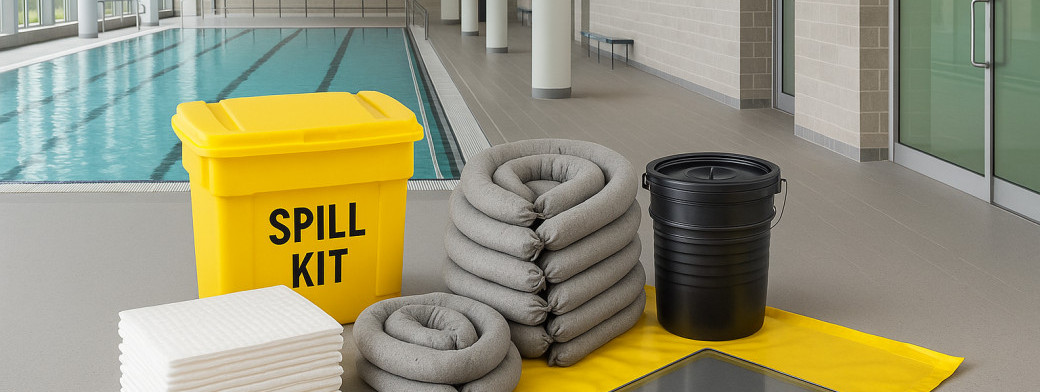
Understanding Spill Risks in Leisure Centres
Leisure centres, particularly those with swimming pools, are environments where various types of spills can occur, posing significant risks to both patrons and staff. Understanding these risks is essential for effective spill management and ensuring a safe recreational environment.
Types of Spills
Spills in leisure centres can be broadly categorised into two main types: chemical spills and water spills. Chemical spills often involve substances such as chlorine, pool cleaning agents, or other hazardous materials used in maintenance and water treatment. On the other hand, water spills can occur from wet floors, overflowing pools, or leaks from water features.
Common Causes of Spills
The causes of spills in leisure centres are varied. Chemical spills can result from improper handling or storage of pool chemicals, equipment malfunction, or accidental over-dosing. Water spills frequently occur due to high foot traffic, particularly in changing rooms and poolside areas, where wet surfaces can lead to hazardous conditions. Additionally, operational errors, such as failure to promptly clean up spills, can exacerbate these risks.
Potential Consequences of Spills
The consequences of spills can be severe. Chemical spills not only pose health risks, including respiratory issues or skin irritation, but they can also lead to regulatory penalties if not managed properly. Water spills, while less hazardous in terms of chemical exposure, can result in slips and trips, which are a leading cause of injuries in leisure centres. According to the HSE - Slips and Trips, these incidents can lead to significant liability and operational disruptions.
To mitigate these risks, leisure centres must implement comprehensive spill management procedures, ensuring staff are trained and equipped to handle spills effectively. For more information on dealing with chemical spills, consider exploring chemical absorbents, which can be crucial in minimising the impact of such incidents.
Chemical Risks in Pool Plant Rooms
Pool plant rooms are critical to the operation of swimming pools and leisure centres, but they also pose specific chemical hazards that must be managed effectively. Understanding these risks is essential for ensuring the safety of staff and patrons alike.
Common Chemicals Used in Pool Maintenance
Several chemicals are commonly used in pool maintenance to ensure water quality and safety. These include:
- Chlorine: Used for disinfection, chlorine can be hazardous if inhaled or if it comes into contact with skin.
- pH Adjusters: Chemicals like sodium carbonate and sodium bisulphate are used to balance the pH levels of pool water, which can cause irritation.
- Algaecides: These are used to prevent algae growth but can be toxic if improperly handled.
Health Risks Associated with Chemical Spills
Spills of these chemicals can pose significant health risks. Inhalation of chlorine gas can lead to respiratory issues, while skin contact can cause burns or irritation. Additionally, chemical reactions can occur if incompatible substances mix, potentially leading to explosive situations. For more information on managing fire and explosion risks from dangerous substances, refer to the HSE DSEAR guidance.
Regulatory Requirements for Chemical Handling
Leisure centres must comply with various regulatory requirements to ensure safe handling of chemicals. The HSE publication HSG179 outlines the necessary safety systems and procedures for pool operators. This includes proper storage of chemicals, training for staff on handling hazardous substances, and regular risk assessments to identify potential spill scenarios.
In addition, having appropriate spill management resources, like spill kits, readily available is essential for responding effectively to any incidents. These kits should be strategically placed in areas where chemical handling occurs, ensuring that staff can act swiftly in the event of a spill.
By understanding the chemical risks present in pool plant rooms and implementing effective safety procedures, leisure centres can create a safer environment for both employees and visitors.
Selecting the Right Absorbents
When it comes to managing spills in leisure centres, choosing the right absorbents is crucial for maintaining safety and hygiene. The type of absorbent you select can significantly impact the effectiveness of spill response, especially in environments like swimming pools where chemical risks are prevalent.
Types of Absorbents Available
There are various types of absorbents available on the market, each designed for specific types of spills:
- Universal Absorbents: Ideal for a wide range of liquids including water, oils, and chemicals.
- Oil Absorbents: Specifically designed to absorb oils and hydrocarbons, these are essential for spills involving lubricants or fuel.
- Chemical Absorbents: Tailored for hazardous spills, such as acids or caustics, these absorbents neutralise and contain harmful substances.
- Granular Absorbents: Often used for larger spills, these are effective for absorbing spills on uneven surfaces.
Factors to Consider When Selecting Absorbents
When selecting absorbents for your leisure centre, consider the following factors:
- Type of Spill: Identify the nature of the liquid being absorbed. Different materials work better for different spills.
- Absorption Capacity: Ensure the absorbent can handle the volume of the spill effectively.
- Environmental Impact: Choose absorbents that are eco-friendly and compliant with relevant regulations.
- Ease of Use: Opt for absorbents that are easy to deploy and dispose of, especially in emergency situations.
Importance of Having the Right Absorbents On-Site
Having the right absorbents readily available is imperative for quick and efficient spill management. Not only does this minimise the risk of slips and falls, as highlighted in the HSE guidance on slips and trips, but it also ensures compliance with safety standards outlined in HSG179. Furthermore, being prepared can help mitigate the risks associated with hazardous chemicals, as detailed in the HSE DSEAR guidance.
In conclusion, choosing the right absorbents and ensuring their availability is a key component of effective spill management in leisure centres. For more information on chemical absorbents, visit Serpro.
Slip Prevention Measures
Preventing slips and trips in wet areas of leisure centres is crucial for ensuring the safety of both patrons and staff. Effective strategies can significantly reduce the risk of accidents and create a safer environment for everyone.
Importance of Slip-Resistant Flooring
One of the most effective measures in slip prevention is the installation of slip-resistant flooring. This type of flooring is specifically designed to provide better traction in wet conditions, reducing the likelihood of slips. When selecting flooring materials, it is essential to consider their slip resistance rating, especially in high-traffic areas such as pool decks and changing rooms. Regular assessments of the flooring condition should also be conducted to ensure it maintains its effectiveness over time.
Regular Maintenance and Cleaning Schedules
Implementing a strict maintenance and cleaning schedule is vital in managing slip risks. Wet areas should be cleaned frequently using appropriate cleaning agents that do not leave slippery residues. Regular inspections should be performed to identify any wear or damage to flooring, as well as to address any spills or leaks immediately. By maintaining a clean and safe environment, leisure centres can mitigate the risk of slips and enhance overall safety.
Use of Warning Signs and Barriers
Utilising warning signs and barriers is another crucial aspect of slip prevention. Clear signage indicating wet floors can alert patrons to potential hazards, while barriers can be used to restrict access to particularly slippery areas during cleaning or maintenance activities. These proactive measures serve to inform and protect users, reducing the risk of accidents in leisure centres.
For more in-depth information on managing slip risks, refer to the HSE’s guidance on health and safety in swimming pools, which outlines safe systems of work and effective risk management practices.
Effective Spill Management Procedures
Managing spills in swimming pools and leisure centres is crucial for maintaining safety and preventing accidents. Effective spill management procedures should encompass immediate response actions, staff training, and thorough documentation and reporting.
Immediate Response Actions
When a spill occurs, swift action is essential to mitigate risks. Staff should be trained to follow a clear set of procedures:
- Assess the situation: Determine the nature of the spill and the associated risks, especially if it involves chemicals.
- Secure the area: Immediately cordon off the affected area to prevent slips and trips. Use appropriate signage to warn patrons.
- Contain the spill: Use chemical absorbents, such as those found at Serpro, to contain the spill and prevent it from spreading.
- Clean up: Follow the correct cleaning protocols based on the type of spill, ensuring that all waste is disposed of according to local regulations.
Training Staff on Spill Response
All staff members should receive comprehensive training on spill response procedures. This training should include:
- Understanding the types of chemicals that may be present and their risks, in line with DSEAR guidance.
- Proper use of personal protective equipment (PPE) to safeguard against exposure.
- Hands-on training with spill kits and absorbents, ensuring staff are familiar with their locations and usage.
- Regular refresher courses to keep skills and knowledge up to date.
Documentation and Reporting Procedures
A robust documentation process is vital for tracking incidents and improving safety protocols. This should involve:
- Logging all spills in an incident report, detailing the type of spill, response actions taken, and any injuries or damages incurred.
- Conducting a post-incident review to identify what went well and what could be improved in future responses.
- Regularly reviewing and updating spill management policies based on incident reports and staff feedback.
By implementing these effective spill management procedures, leisure centres can significantly reduce the risks associated with spills, ensuring a safer environment for both staff and patrons. For further guidance on managing risks in swimming pools, refer to the HSE publication on health and safety in swimming pools.
Creating an Audit-Ready Environment
Ensuring that leisure centres are prepared for audits regarding spill management is crucial for maintaining safety and compliance with health and safety regulations. A proactive approach not only safeguards patrons but also protects the facility from potential liabilities.
Regular Audits and Inspections
Conducting regular audits and inspections is essential for identifying potential spill risks and ensuring that all safety measures are in place. These audits should assess the effectiveness of existing spill management protocols, including the availability and condition of spill kits, as well as the training of staff in spill response procedures. By implementing a routine schedule for these assessments, leisure centres can stay ahead of potential hazards and demonstrate their commitment to safety during audits.
Maintaining Records of Spills and Responses
Accurate record-keeping is vital for both operational transparency and compliance. Leisure centres should maintain detailed logs of any spills that occur, including the type of substance, the response actions taken, and the outcomes. This documentation not only helps in evaluating the effectiveness of spill management procedures but also provides valuable data during audits. By having a comprehensive history of spills and responses, centres can showcase their adherence to safety protocols and continuous improvement in spill management.
Compliance with Health and Safety Regulations
Compliance with health and safety regulations is non-negotiable in the leisure industry. Familiarity with relevant guidelines, such as those outlined in the HSE DSEAR guidance, is critical for managing risks associated with hazardous substances. Leisure centres must ensure that their spill management strategies align with these regulations to avoid penalties and maintain a safe environment for both staff and patrons. Regular training sessions for employees on spill management and compliance can further reinforce the importance of these regulations.
By focusing on these key areas, leisure centres can create an audit-ready environment that prioritises safety and demonstrates a commitment to effective spill management practices.