
Introduction
Spill preparedness refers to the proactive measures taken to prevent, manage, and respond to spills that may occur in various environments, particularly in high-traffic areas such as exhibition and conference centres. These venues often host large gatherings, which increases the likelihood of spills from catering activities, maintenance fluids, or other sources. Effective spill preparedness is essential to ensure the safety of attendees, protect the venue, and maintain a professional image.
Types of Spills
In the context of exhibition and conference centres, spills can be categorised into several types, including:
- Catering spills: These often involve food and beverages, which can create slippery surfaces and pose risks to attendees.
- Maintenance fluids: Leaks from equipment or cleaning products can lead to hazardous situations if not managed promptly.
- Chemical spills: Although less common, the use of certain materials for displays or demonstrations can result in spills that require immediate attention.
Significance of Spill Management
Effective spill management is particularly crucial in high footfall areas, where the risk of accidents increases significantly. According to the HSE Event Safety Guidance, proper planning and preparedness can help mitigate risks associated with spills. When spills are not promptly addressed, they can lead to injuries, liability issues, and damage to the venue's reputation.
Consequently, implementing a comprehensive spill management plan is vital. This includes having the right equipment, such as spill kits, readily available, as well as training staff in spill response procedures. By prioritising spill preparedness, exhibition and conference centres can enhance safety and ensure a positive experience for all attendees.
For further reading on event safety, you can refer to the HSE Event Safety Guide.
Types of Spills
Exhibition and conference centres are bustling environments that host a variety of events, attracting large crowds and diverse activities. Unfortunately, with high footfall comes the risk of spills, which can pose safety hazards and lead to costly damages. Understanding the types of spills that can occur is crucial for effective spill preparedness.
Catering Spills
Catering spills are among the most common incidents in exhibition centres, often resulting from food and beverage service. These spills can include anything from coffee and juice to oils and sauces. Not only do these spills create slippery surfaces, increasing the risk of slips and falls, but they can also lead to unpleasant odours and attract pests if not cleaned promptly. For more information on managing catering spills, visit this resource.
Maintenance Fluids
Another significant category of spills involves maintenance fluids, such as oils, greases, and cleaning agents used for the upkeep of equipment and facilities. These substances can be hazardous if released into high-traffic areas, posing risks to both attendees and staff. It is essential to have proper containment and clean-up procedures in place to mitigate these risks. For further details on maintenance products and their safe usage, check out this page.
Chemical Spills
Chemical spills, while less frequent, can occur during events that involve hazardous materials, such as exhibitions featuring industrial products or scientific demonstrations. These spills can pose serious health risks and environmental hazards, necessitating immediate action and adherence to safety protocols. It is vital for venues to have spill response plans that align with guidelines provided by the GOV.UK pollution prevention guidance.
Water Spills
Water spills may seem benign, but they can lead to slippery conditions and damage to electrical equipment if not addressed promptly. Common causes include overflowing sinks, leaks from water coolers, or even accidental spills during events. Ensuring that staff are trained in quick response techniques can help maintain a safe environment.
In conclusion, being aware of the various types of spills that can occur in exhibition and conference centres is the first step towards effective spill preparedness. Implementing proper training and response protocols can significantly reduce safety risks and ensure a smooth experience for all attendees.
Importance of Spill Preparedness
Spill preparedness is an essential aspect of operational management in exhibition and conference centres. The presence of high footfall areas, combined with catering services and maintenance activities, increases the likelihood of spills. Therefore, having a robust spill management plan is not only advisable but also a legal obligation. As outlined by HSE Event Safety Guidance, venues must ensure they are compliant with health and safety regulations to protect both staff and visitors.
Legal Obligations
Exhibition and conference centres must adhere to various legal requirements concerning spill management. Failure to comply can result in severe penalties, including fines and legal action. The GOV.UK guidance on pollution prevention highlights the necessity for venues to implement effective spill prevention measures to mitigate environmental risks.
Health and Safety Risks
Spills, whether from catering activities or maintenance fluids, pose significant health and safety risks. Slips, trips, and falls are among the most common accidents in high footfall areas, leading to potential injuries for visitors and staff alike. A proactive approach to spill preparedness can significantly reduce these risks, ensuring a safer environment for everyone.
Impact on Reputation and Operations
Beyond legal obligations and health concerns, the repercussions of poor spill management can extend to a venue's reputation and operational efficiency. A single spill incident can tarnish the image of a venue, leading to lost business opportunities and negative reviews. Conversely, a well-prepared venue that effectively manages spills enhances its reputation and operational continuity. For more information on effective spill management strategies, visit Serpro's spill management page.
Best Practices for Spill Preparedness
Spill preparedness is crucial in exhibition and conference centres, where high footfall areas can amplify the risks associated with catering spills, maintenance fluids, and other potential hazards. Implementing effective spill management strategies not only protects attendees but also ensures compliance with safety regulations.
Training Staff
A well-trained staff is the backbone of any successful spill response strategy. Regularly educating team members on spill management procedures helps them understand their roles and responsibilities in the event of a spill. Training should cover identification of different types of spills, appropriate response techniques, and the use of spill kits.
Regular Drills
Conducting regular spill response drills is essential for ensuring that staff can react swiftly and efficiently when a spill occurs. These drills should simulate various spill scenarios, allowing staff to practice their response protocols in a controlled environment. This not only builds confidence but also helps identify any weaknesses in the existing spill management plan.
Proper Signage
Clear and visible signage is vital in guiding both staff and attendees during a spill incident. Signs should indicate the location of spill kits, emergency exits, and any restricted areas. Additionally, using HSE guidelines for safety signage can enhance communication and awareness, thereby minimising confusion and promoting safety.
Quick Response Protocols
Establishing quick response protocols is essential for mitigating the impact of spills. These protocols should outline immediate actions to take upon discovering a spill, including notifying the appropriate personnel, using spill containment equipment, and initiating clean-up procedures. A well-defined response plan can significantly reduce the risk of injury and property damage. For further guidance on spill prevention and management, refer to the GOV.UK Pollution Prevention for Businesses resource.
By focusing on these best practices, exhibition and conference centres can enhance their spill preparedness, ensuring a safer environment for all attendees.
Recommended Products for Spill Management
Effective spill preparedness in exhibition and conference centres hinges on having the right products at your disposal. Here’s a list of essential items that can aid in spill management:
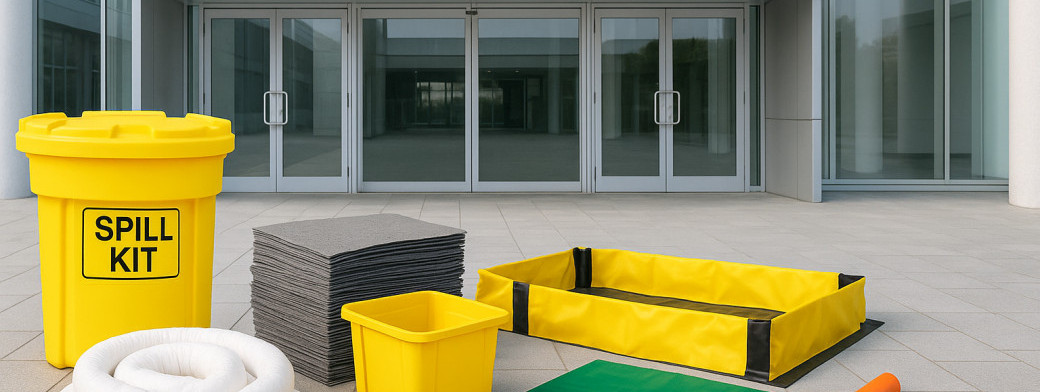
Spill Kits
Spill kits are a crucial first line of defence against any type of spill. These kits typically include absorbent materials, personal protective equipment (PPE), and tools for containment and clean-up. When selecting a spill kit, ensure it is suited for the types of spills you may encounter, such as catering spills or maintenance fluids. For a range of spill kits tailored to various needs, check out Serpro’s spill kits.
Absorbents
Absorbents are materials designed to soak up liquids and help prevent spills from spreading. They come in various forms, including pads, booms, and granules. Using absorbents effectively can mitigate the impact of spills in high footfall areas, ensuring safety and cleanliness. For more information on different types of absorbents, visit Serpro’s absorbent products.
Personal Protective Equipment (PPE)
PPE is essential for staff members who are involved in spill clean-up operations. It protects workers from hazardous materials, ensuring they can perform their duties safely. Items such as gloves, goggles, and face masks should be included in your spill management strategy. Familiarise yourself with the necessary PPE requirements to align with HSE guidelines for event safety.
Cleaning Equipment
Once a spill has been contained and absorbed, appropriate cleaning equipment is necessary to ensure the area is left safe and hygienic. This includes mops, buckets, and disinfectants. Regular maintenance and inspection of cleaning equipment will ensure it is ready for use when needed. For comprehensive guidelines on maintaining safety during events, refer to the HSE Event Safety Guide.
By investing in these recommended products and adhering to best practices, exhibition and conference centres can significantly enhance their spill preparedness, ensuring a safe environment for all attendees. Additionally, staying informed about spill prevention measures is crucial; refer to the GOV.UK guidance on pollution prevention for further insights.
Conclusion
In summary, spill preparedness is not just a regulatory requirement but a vital aspect of ensuring the safety and wellbeing of all visitors in exhibition and conference centres. With high footfall areas susceptible to various types of spills—ranging from catering mishaps to maintenance fluids—having a robust spill management plan in place is essential. This proactive approach not only protects attendees but also safeguards the venue's reputation.
Investing in comprehensive training for staff and high-quality spill response products is crucial. Knowledgeable team members can react swiftly and effectively, minimising risks and ensuring a safe environment for everyone. For more information on spill management products, visit Serpro's Spill Management page.
Ultimately, prioritising spill preparedness reflects a commitment to the highest safety standards, enhancing the overall experience for attendees and maintaining the integrity of the venue. Remember, a well-prepared centre is not only safer but also more attractive to event organisers and attendees alike. For further guidance on event safety, refer to the HSE Event Safety Guidance and the HSE Event Safety Guide. Additionally, consider the insights provided by GOV.UK on pollution prevention to bolster your spill management strategies.