
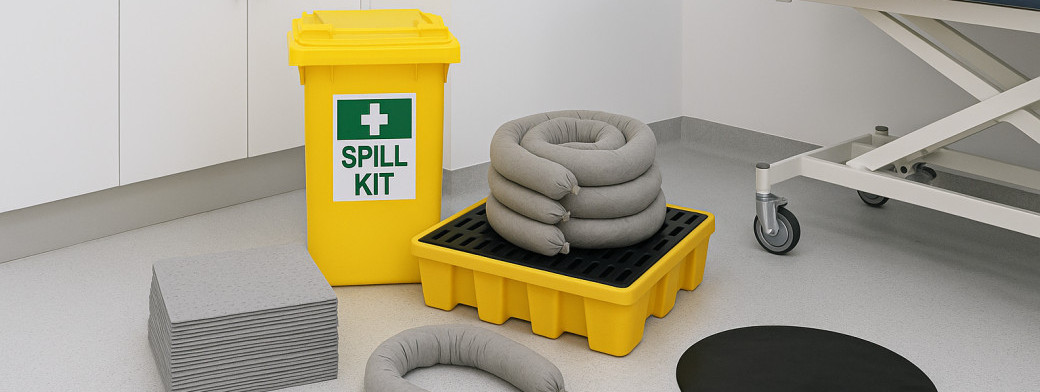
Introduction to Spill Management in Cleanrooms
Cleanrooms are controlled environments designed to minimize the introduction, generation, and retention of airborne particles and contaminants. These spaces are critical in the manufacturing of medical devices, where even the slightest impurity can compromise product integrity and patient safety. However, the presence of volatile solvents, such as isopropyl alcohol (IPA), poses significant spill risks that must be carefully managed.
Spills of solvents like IPA not only create immediate hazards, including slip and trip incidents (as highlighted by the HSE), but they can also lead to longer-term contamination issues. The volatile nature of these substances means that they can evaporate quickly, potentially compromising cleanroom integrity and leading to cross-contamination of critical areas. Effective spill management is therefore essential in maintaining the stringent cleanliness standards required in medical device cleanrooms.
Implementing a comprehensive spill management plan involves using low-lint absorbents, establishing controlled clean-up steps, and ensuring proper solvent handling. By positioning spill kits strategically throughout the cleanroom, facilities can prevent contamination pathways and ensure rapid response to any incidents. For more information about the necessary supplies for maintaining a cleanroom environment, visit our cleanroom supplies section, and learn more about spill management protocols at Serpro's spill management resources.
Given the risks associated with solvents, it is imperative for cleanroom operators to adhere to guidelines set forth by the HSE regarding the Control of Substances Hazardous to Health (COSHH). These guidelines provide a framework for assessing risks and implementing controls to ensure a safe working environment.
Understanding Low-Lint Absorbents
In medical device cleanrooms, effective spill management is crucial to maintaining sterility and preventing contamination. One of the key components of spill management is the use of low-lint absorbents, which are specifically designed to minimise the release of fibrous particles during clean-up operations.
Characteristics of Low-Lint Absorbents
Low-lint absorbents are made from materials that are engineered to produce minimal lint and fibres. These materials often include synthetic fabrics or specially treated natural fibres that reduce the risk of particulate contamination. This characteristic is essential in cleanroom environments where even the smallest particles can compromise the integrity of medical devices and the safety of patients.
Benefits of Using Low-Lint Materials
The primary benefits of low-lint absorbents include:
- Reduced Contamination Risk: By limiting the release of fibres, low-lint absorbents help maintain the cleanliness of the environment, which is critical for compliance with COSHH regulations.
- Enhanced Safety: When handling solvents like IPA, using low-lint absorbents helps to prevent slip hazards, as they are designed to absorb excess liquids effectively without leaving residues that could lead to slips and trips, as highlighted by the HSE in their guidance on slips and trips.
- Cost-Effective: Although low-lint absorbents may have a higher initial cost compared to standard absorbents, their effectiveness in preventing contamination can lead to lower overall costs related to cleanroom maintenance and product recalls.
Comparison with Standard Absorbents
Standard absorbents, such as cotton or traditional paper products, can shed fibres during use, which poses a significant risk in cleanroom settings. In contrast, low-lint absorbents are specifically designed to mitigate this risk, making them a preferred choice for handling spills of IPA and other solvents. The HSE's INDG273 publication on working safely with solvents also emphasises the importance of selecting appropriate materials for spill clean-ups to ensure safety and compliance.
In conclusion, the use of low-lint absorbents is essential in managing spills effectively within medical device cleanrooms. Their unique properties not only enhance safety but also contribute to maintaining the strict cleanliness standards required in these environments.
Controlled Clean-Up Steps
Effective spill management in medical device cleanrooms is critical to maintaining a sterile environment and ensuring the safety of personnel. The following step-by-step process outlines the necessary actions to undertake when a spill occurs, particularly involving isopropyl alcohol (IPA) and other solvents.
1. Initial Assessment of the Spill
Upon discovering a spill, the first step is to assess the situation. Identify the type and volume of the spilled substance, as well as the potential hazards it poses. Consider whether the spill involves hazardous materials as classified under COSHH regulations. If the spill is extensive or poses an immediate risk to health, evacuate the area and alert the relevant safety personnel.
2. Safety Precautions
Before proceeding with clean-up, ensure that you are wearing appropriate personal protective equipment (PPE), including gloves, goggles, and, if necessary, a respirator. Adhere to the guidelines set out in the HSE's good practice for solvents to minimise exposure. Make sure that the area is well-ventilated to reduce inhalation risks and be aware of any slip hazards, as highlighted by the HSE's slips and trips guidelines.
3. Clean-Up Procedures
Utilize low-lint absorbents specifically designed for cleanroom environments to clean up the spill effectively. Start by surrounding the spill with absorbent materials to contain it, preventing further spread. Use a scoop or other appropriate tools to collect the contaminated absorbents, ensuring minimal disturbance to the cleanroom environment. Follow a systematic approach to ensure that all residues are removed and the area is thoroughly cleaned.
4. Disposal of Contaminated Materials
All materials used in the clean-up process, including absorbents, gloves, and any other contaminated items, should be disposed of in accordance with local regulations. Place them in designated hazardous waste containers to prevent contamination pathways and ensure compliance with safety standards. Regularly check and replenish your spill kits to ensure that they are fully stocked and ready for use.
Following these controlled clean-up steps will help maintain the integrity of your cleanroom and protect personnel from potential hazards associated with spills.
Solvent Handling Best Practices
In medical device cleanrooms, the safe handling of solvents, particularly isopropyl alcohol (IPA), is crucial to maintain a contamination-free environment. Adhering to proper storage, usage protocols, and personal protective equipment (PPE) recommendations can significantly mitigate risks associated with solvent spills.
Storage Requirements
Solvents should be stored in a designated area that meets the necessary safety regulations outlined by the Health and Safety Executive (HSE). Ensure that:
- Containers are tightly sealed and clearly labelled to prevent accidental misuse.
- Flammable solvents are stored away from heat sources and in a well-ventilated space to reduce the risk of fire.
- Storage cabinets comply with relevant standards and are fitted with appropriate spill containment measures to prevent leaks.
Usage Protocols
When using IPA and other solvents in cleanrooms, follow these protocols:
- Always refer to the HSE guidelines for working safely with solvents to ensure compliance with best practices.
- Use solvents in minimal quantities to reduce potential spill risks.
- Implement a controlled dispensing method to prevent over-pouring and accidental spills.
- Ensure that all cleanroom personnel are trained in emergency response procedures in case of a spill.
Personal Protective Equipment (PPE) Recommendations
Proper PPE is essential when handling solvents to protect against skin contact and inhalation. Recommended PPE includes:
- Gloves made from solvent-resistant materials.
- Safety goggles or face shields to protect the eyes from splashes.
- Lab coats or gowns that are low-lint to avoid introducing contaminants into the cleanroom environment.
- Respiratory protection if ventilation is inadequate, as outlined in the HSE guidance on slips and trips.
For more information on appropriate PPE, visit Serpro's PPE category.
Positioning of Spill Kits
In a medical device cleanroom, the strategic placement of spill kits is crucial for effective spill management, especially when handling volatile solvents like isopropyl alcohol (IPA). Accessibility is paramount; spill kits must be readily available to ensure that any potential contamination is addressed immediately, minimising risks to both personnel and product integrity.
Importance of Spill Kit Accessibility
Having spill kits easily accessible within the cleanroom environment is essential for timely response during an incident. According to the HSE's COSHH guidelines, quick action can significantly reduce the likelihood of contamination pathways developing. In a high-stakes environment like a cleanroom, any delay in spill response can lead to serious safety hazards and compromise product quality.
Ideal Locations for Spill Kits
Spill kits should be located at strategic points throughout the cleanroom, particularly near areas where solvents are frequently used or stored. Ideal locations include:
- Adjacent to solvent storage areas.
- Near workstations where cleaning agents are applied.
- At the entrances and exits of the cleanroom to quickly manage any spills before they spread.
By placing spill kits in these high-risk zones, the likelihood of immediate response increases, thereby reducing the risk of contamination and ensuring compliance with relevant health and safety standards.
Regular Maintenance and Checks
To maintain the effectiveness of spill kits, regular checks and maintenance are necessary. Ensure that the kits are fully stocked with low-lint absorbents and other essential materials, as outlined in the Serpro spill kit guidelines. Additionally, routine inspections help identify any expired materials or equipment that may need replacement.
Incorporating these practices not only supports compliance with HSE's guidelines for working safely with solvents but also contributes to a culture of safety within the cleanroom.
Training and Awareness
Effective spill management in medical device cleanrooms is not solely reliant on the right equipment and materials; it also hinges significantly on staff training and awareness. Implementing comprehensive training programmes is essential to ensure that all personnel are equipped with the knowledge to handle spills efficiently and safely. These programmes should cover the properties of solvents such as isopropyl alcohol (IPA), the appropriate use of low-lint absorbents, and the critical steps involved in the clean-up process.
Regular drills are an invaluable component of training, allowing staff to practice spill response procedures in a controlled environment. These drills help reinforce the correct actions to take in the event of a spill, ensuring that staff can respond swiftly and effectively, thereby minimising the risk of contamination. According to the HSE's guidelines on COSHH, such preparedness is vital in maintaining a safe working environment, particularly when dealing with hazardous substances like solvents.
Moreover, fostering a culture of awareness regarding potential spill risks plays a crucial role in spill prevention. Staff should be encouraged to remain vigilant and proactive in identifying possible hazards that could lead to spills. By understanding the significance of their actions and the materials they are working with, employees can contribute to a safer cleanroom environment. The HSE's guidance on working safely with solvents highlights the importance of awareness as a key factor in mitigating spill risks and maintaining operational integrity.
In summary, investing in training and cultivating a strong awareness of spill management procedures among staff is essential for maintaining the safety and cleanliness of medical device cleanrooms. This proactive approach not only helps in effective spill response but also plays a significant role in preventing spills before they occur.
Conclusion
In summary, effective spill management strategies are crucial for maintaining a contamination-free environment in medical device cleanrooms. By utilising low-lint absorbents, adhering to controlled clean-up steps, and implementing proper solvent handling techniques, cleanroom personnel can significantly mitigate the risks associated with spills. The positioning of spill kits is particularly important; strategically placed kits can prevent contamination pathways and ensure swift response to incidents, thereby protecting both personnel and products.
As highlighted by the HSE COSHH guidelines, a thorough understanding of the risks associated with solvents like IPA is essential. Regular training and risk assessments are vital to ensure that all staff are equipped to handle spills effectively. Additionally, maintaining a disciplined approach to housekeeping can reduce slip risks, as noted in the HSE Slips and Trips guidance.
To support your cleanroom’s spill management efforts, consider exploring our range of cleanroom supplies designed specifically for these environments. Ultimately, prioritising spill management not only safeguards product integrity but also fosters a culture of safety and compliance within your facility.