
Introduction
Spill control is a crucial aspect of operations in vehicle valeting and car wash facilities, encompassing the measures and practices put in place to prevent, manage, and remediate spills of various substances. Effective spill control is not only essential for maintaining a safe working environment but also for ensuring compliance with environmental regulations.
Environmental compliance is paramount in today's regulatory landscape, as businesses are held accountable for their impact on the surrounding environment. Failure to implement adequate spill control measures can lead to serious legal repercussions, financial penalties, and damage to a company's reputation. According to the GOV.UK guidance on pollution prevention for businesses, businesses must take proactive steps to prevent pollution and manage waste effectively.
Common Spills in the Industry
In the vehicle valeting and car wash sector, common spills include detergents, oils, fuels, and wastewater. Each of these substances poses unique challenges in terms of spill management and environmental impact. For instance, detergents can harm aquatic life if they enter watercourses, while oil and fuel spills can contaminate soil and groundwater. Moreover, the management of wastewater is critical, as improper disposal can lead to significant environmental harm and regulatory violations.
To mitigate these risks, facilities must adopt comprehensive spill control strategies, including proper training for staff, the use of spill kits, and regular maintenance of equipment. For detailed guidance on pollution prevention, refer to the NetRegs guidance on pollution prevention.
In summary, implementing effective spill control measures in vehicle valeting and car wash facilities is vital for environmental compliance and the protection of local ecosystems. By prioritising spill management, businesses can safeguard their operations and contribute positively to their communities.
Common Spill Types
Vehicle valeting and car wash facilities often encounter various types of spills that can pose environmental risks if not managed correctly. Understanding these common spill types is crucial for effective spill control strategies.
Detergents
Detergents used in car washing can lead to significant pollution when they enter drainage systems. Many commercial cleaning agents contain harmful chemicals that can disrupt aquatic ecosystems. It is essential to use biodegradable detergents and implement spill control measures to prevent accidental discharge into drains. For more information on managing detergent spills, refer to Serpro’s common spills guide.
Oils
Oil spills are a frequent occurrence in vehicle valeting facilities, often resulting from the maintenance and cleaning of vehicles. Spills can arise from leaking engines, lubricants, or during the washing process. The presence of oil in wastewater can lead to serious environmental impacts, including the contamination of local water sources. Implementing oil spill kits and regular training for staff on spill response is crucial to mitigate these risks.
Fuels
Fuel spills can occur during refuelling or from vehicles with leaking fuel tanks. These spills are particularly hazardous as they can lead to soil and water contamination. It is vital to have strict protocols in place for handling fuel and to ensure that any spills are addressed immediately. Facilities should also consider installing fuel containment systems to prevent spills from reaching drainage systems.
Wastewater
Wastewater generated from vehicle washing contains various pollutants, including oils, metals, and detergents. Proper management of this wastewater is essential to comply with environmental regulations. Facilities should be aware of guidance for pollution prevention to ensure that their wastewater treatment processes meet legal requirements. Implementing effective filtration and treatment systems will help protect local water resources and maintain compliance with environmental standards.
By understanding these common spill types and implementing appropriate spill control measures, vehicle valeting and car wash facilities can significantly reduce their environmental impact and adhere to legal regulations.
Spill Prevention Strategies
To ensure effective spill control in vehicle valeting and car wash facilities, implementing robust spill prevention strategies is essential. Not only does this protect the environment, but it also enhances operational efficiency and compliance with regulations.
Training Staff
One of the most critical components of spill prevention is proper training for all staff members. Employees should be educated about the types of substances they may encounter, including detergents, oils, and fuels, as well as the potential risks associated with spills. Regular training sessions enhance staff awareness and ensure that everyone knows how to react promptly in case of a spill. For more information on training protocols, visit Serpro's Spill Prevention page.
Using Spill Kits
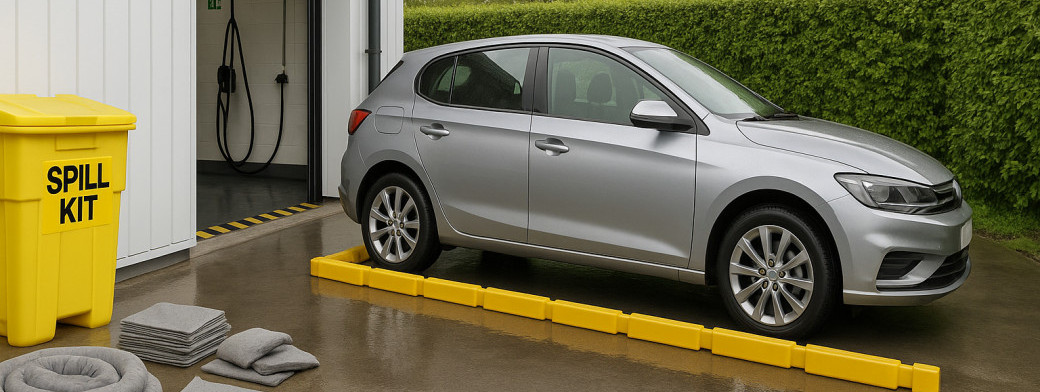
Equipping your facility with spill kits is another effective strategy for preventing spills from escalating. These kits should be easily accessible and stocked with the appropriate materials to contain and clean up various types of spills. Regular checks should be performed to ensure that kits are adequately stocked and that all staff are trained in their use. Having the right tools on hand can greatly reduce the impact of accidental spills.
Regular Maintenance of Equipment
Maintaining equipment is vital to prevent leaks and spills. Regular inspections and maintenance of hoses, pumps, and tanks can identify wear and tear before it leads to significant spills. Establishing a routine maintenance schedule will help ensure that all equipment operates efficiently and safely, thereby minimizing the risk of spills. For guidelines on pollution prevention, consider reviewing the resources available on GOV.UK and NetRegs.
By implementing these spill prevention strategies, vehicle valeting and car wash facilities can significantly reduce the risks associated with spills, safeguard the environment, and comply with relevant regulations.
Drain Protection Measures
Effective spill control in vehicle valeting and car wash facilities is crucial not only for maintaining operational efficiency but also for ensuring environmental compliance. One of the most critical aspects of this is protecting drainage systems from contaminants such as detergents, oils, and fuels.
Installation of Oil Interceptors
To prevent harmful substances from entering the drainage systems, the installation of oil interceptors is essential. These devices capture and separate oil from wastewater before it can enter the sewer system. Regular maintenance and servicing of these interceptors are vital to ensure they function correctly and do not overflow, which could lead to environmental damage.
Regular Inspection of Drainage Systems
Conducting regular inspections of drainage systems is another best practice for maintaining drain protection. This includes checking for blockages, structural integrity, and signs of wear and tear. By identifying potential issues early, facilities can avoid costly repairs and prevent spills from escaping into the environment. It is advisable to maintain a log of inspections and any actions taken, ensuring compliance with local regulations.
Best Practices for Wastewater Disposal
Proper wastewater disposal is critical in preventing pollution. Facilities must adhere to guidelines set forth by GOV.UK and ensure that they are operating within the framework of waste environmental permits. This includes treating wastewater to remove harmful substances before discharge and keeping accurate records of all waste management practices. Additionally, training staff on proper disposal methods can significantly reduce the risk of accidental spills.
In conclusion, implementing effective drain protection measures within vehicle valeting and car wash facilities is paramount. By installing oil interceptors, conducting regular inspections, and adhering to best practices for wastewater disposal, businesses can safeguard their operations and protect the environment.
Environmental Compliance
In the vehicle valeting and car wash industry, adherence to environmental compliance is not just a regulatory requirement; it is a crucial aspect of responsible business practice. Businesses must navigate a complex landscape of legal obligations, particularly under UK and EU regulations, to ensure that their operations do not harm the environment.
Relevant UK/EU Regulations
Key regulations that govern the vehicle valeting and car wash industry include the Pollution Prevention Guidelines and the Waste Environmental Permits. These regulations provide a framework for managing waste, preventing pollution, and ensuring that trade effluent is handled properly. Compliance with these regulations is essential to avoid legal repercussions and to foster a more sustainable operational model.
Importance of Permits
Obtaining the necessary permits is a vital step for any vehicle valeting or car wash facility. These permits not only legitimise operations but also enforce standards that are designed to protect the environment. Facilities must apply for permits that cover aspects such as wastewater discharge and the handling of hazardous materials, including oils and detergents. The absence of a valid permit can lead to significant fines and operational shutdowns.
Consequences of Non-Compliance
The consequences of failing to comply with environmental regulations can be severe. Businesses may face hefty fines, legal action, and reputational damage that can result in the loss of customers. Additionally, non-compliance can lead to environmental degradation, which affects local ecosystems and communities. By prioritising compliance and implementing robust spill control measures, businesses not only protect the environment but also position themselves as responsible members of the community.
For more detailed information on environmental compliance and best practices in the industry, visit Serpro's Environmental Compliance page.
Conclusion
In summary, effective spill control strategies are essential for vehicle valeting and car wash facilities to mitigate environmental impacts and ensure compliance with regulations. By implementing proper management techniques for detergents, oils, and fuels, facilities can significantly reduce the risk of spills and pollution. Key strategies include:
- Utilising spill kits and containment measures to quickly address any spills.
- Training staff on best practices for handling and disposing of hazardous materials.
- Regularly maintaining equipment to prevent leaks and spills.
- Implementing effective wastewater management systems to treat and recycle water.
- Ensuring drain protection measures are in place to prevent contaminants from entering the drainage system.
Moreover, staying informed about pollution prevention guidelines and adhering to the waste environmental permit regulations is crucial for maintaining compliance and protecting our environment.
We encourage all vehicle valeting and car wash operators to actively implement these best practices and continually educate their teams on the importance of spill control. Taking proactive steps today will not only help safeguard our ecosystems but also enhance the reputation and operational efficiency of your business.