
Introduction to Spill Management in Cold Storage Facilities
Spill management refers to the processes and strategies implemented to control, contain, and clean up accidental releases of hazardous substances. In cold storage and refrigeration plants, effective spill management is crucial due to the variety of substances involved, including ammonia, glycol, refrigerants, compressor oils, and defrost water. Each of these materials poses unique risks to both personnel and the environment, necessitating robust management protocols.
Ammonia, commonly used as a refrigerant, can be particularly dangerous due to its toxicity and potential to cause severe health effects if inhaled. Glycol and other refrigerants, while less hazardous, still require careful handling to prevent leaks that could affect operational efficiency and safety. Compressor oils, essential for the functioning of refrigeration systems, can also lead to environmental contamination if improperly managed. Lastly, defrost water, while seemingly innocuous, can contribute to slip risks and other safety hazards if not contained effectively.
The importance of compliance with UK and EU regulations cannot be overstated when it comes to spill management in cold storage facilities. Adhering to guidelines set forth by organisations such as the Health and Safety Executive (HSE) ensures that facilities not only protect their workers and the surrounding environment but also mitigate the risk of legal repercussions. Best practices in spill management are essential for maintaining operational integrity and safeguarding public health.
For further information on comprehensive spill management solutions, visit Serpro's Spill Management Solutions.
Understanding the Risks: Types of Spills in Cold Storage
Cold storage facilities are essential for preserving perishable goods, but they also pose significant risks when it comes to spills. Understanding the types of spills that can occur and their associated hazards is crucial for effective spill management and ensuring the safety of personnel and the environment.
Ammonia Spills and Their Hazards
Ammonia is a common refrigerant used in cold storage facilities due to its efficiency and cost-effectiveness. However, ammonia spills can be highly hazardous. Exposure to ammonia can cause respiratory issues, skin irritation, and in severe cases, can be fatal. The Institute of Refrigeration provides guidelines on managing ammonia refrigerant systems, emphasizing the importance of leak detection and emergency response protocols. Facilities must have stringent measures in place to contain ammonia spills and protect workers.
Glycol and Refrigerant Spills
Glycol, often used as a secondary refrigerant, can also pose risks when spilled. While generally less hazardous than ammonia, spills can still lead to slippery surfaces and potential environmental contamination. Refrigerants, especially those with high global warming potential, can contribute to climate change if released into the atmosphere. Regular maintenance checks and monitoring systems are essential to prevent these types of spills.
Compressor Oil Leaks
Compressor oils are vital for the operation of refrigeration systems, but leaks can create hazardous situations. Oil spills can lead to slippery floors, increasing the risk of slips and falls for employees. Additionally, compressor oils can be harmful to aquatic life if they enter water systems. It is important to implement safety measures and secondary containment systems to mitigate these risks effectively.
Defrost Water Spills and Slip Risks
Defrosting is a necessary process in cold storage facilities, but it can lead to water accumulation on floors, creating significant slip hazards. Proper drainage systems and regular inspections are crucial to manage defrost water effectively. Implementing anti-slip flooring and signage can further reduce the risk of accidents caused by defrost water spills.
For more information on managing various types of spills in cold storage facilities, visit Serpro.
Slip Risks and Safety Considerations
Slip accidents are a significant concern in cold storage facilities, where spills from ammonia, glycol, refrigerants, compressor oils, and defrost water can create hazardous conditions. According to statistics from the Health and Safety Executive (HSE), slip and trip incidents account for approximately 30% of all workplace injuries in the UK, with cold storage environments being particularly prone to such accidents due to wet or icy surfaces.
Preventative Measures to Reduce Slip Risks
To mitigate the risk of slips and falls, cold storage facilities should implement several preventative measures:
- Regular Maintenance: Ensure that floors are kept clean and dry, with immediate attention given to any spills.
- Non-slip Flooring: Use non-slip flooring materials to provide better traction in areas prone to moisture accumulation.
- Spill Response Kits: Equip the facility with spill response kits that include absorbent materials designed to quickly manage leaks and spills.
- Signage and Markings: Clearly mark wet areas and provide adequate signage to alert staff to potential slip hazards.
Importance of Training Staff on Safety Protocols
Training staff on safety protocols is crucial in preventing slip accidents. Employees should be educated on:
- Safe Work Practices: Training should include safe handling practices for materials that may leak, ensuring that all staff know how to respond to spills effectively.
- Emergency Response Procedures: Staff should be familiar with emergency procedures for dealing with spills, including how to use spill kits and whom to notify in case of an incident.
- Awareness of Surroundings: Encourage staff to remain vigilant about their surroundings and report any hazards immediately.
For further information on managing slip risks in the workplace, refer to the Slip Risk Management guide. Additionally, the Cold Chain Federation provides valuable resources on health and safety compliance tailored to the cold storage sector.
Emergency Response Procedures for Spill Incidents
Effective spill management in cold storage facilities is crucial for ensuring safety and compliance. When a spill occurs, immediate actions must be taken to mitigate risks and protect both personnel and the environment.
Immediate Actions to Take Following a Spill
Upon discovery of a spill, the first step is to assess the situation. Personnel should:
- Evacuate the area if necessary, ensuring that all staff are moved to a safe location.
- Alert the designated spill response team and notify management immediately.
- Identify the type of substance spilled (e.g., ammonia, glycol, refrigerants, compressor oils, or defrost water) to determine the appropriate response measures.
- Secure the area to prevent access by unauthorized personnel and minimise slip risks.
Role of Spill Response Teams
The spill response team plays a critical role in managing spill incidents effectively. Their responsibilities include:
- Conducting a thorough assessment of the spill and determining the best course of action.
- Implementing containment measures to prevent further spread of the hazardous material.
- Utilising appropriate personal protective equipment (PPE) to safeguard their health during cleanup operations.
- Documenting the incident for compliance and future reference.
Communication Protocols During a Spill Incident
Clear communication is vital during a spill incident. The following protocols should be established:
- Designate a spokesperson for internal and external communications, ensuring that accurate information is disseminated.
- Utilise a communication system to keep all staff informed about the situation, including evacuation routes and safety measures.
- Report the incident to relevant authorities as per regulatory requirements, including compliance with the UK's COMAH regulations.
For more information on emergency response strategies, visit Serpro's Emergency Response page.
Containment Measures and Best Practices
Effective spill management is crucial in cold storage and refrigeration facilities to prevent environmental hazards and ensure safety. Implementing robust containment measures is an essential element of this strategy.
Secondary Containment Systems
One of the most effective ways to manage spills is through the installation of secondary containment systems. These systems are designed to capture any leaks or spills from primary containers, such as tanks and pipelines. By using bunded areas, containment trays, or double-walled tanks, facilities can significantly reduce the risk of spills reaching the environment. For more information on suitable containment solutions, visit Serpro Containment Solutions.
Regular Maintenance and Inspections
Regular maintenance and inspections are vital in ensuring that containment systems function correctly and efficiently. Scheduling routine checks can help identify potential issues before they lead to spills. This includes inspecting for corrosion, wear, and any signs of leaks in refrigeration systems. Following guidelines from the HSE on refrigeration can provide a comprehensive framework for these inspections.
Use of Absorbents and Spill Kits
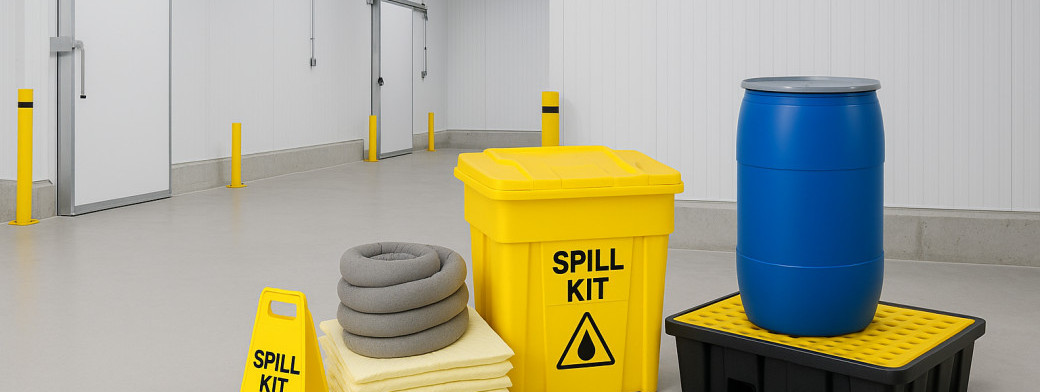
Having appropriate absorbents and spill kits readily available is essential for an effective emergency response. Spill kits should be strategically placed throughout the facility, particularly near high-risk areas, to ensure quick access in case of a spill. These kits typically include absorbent pads, booms, and neutralising agents for various types of spills, including ammonia, glycol, and oils. Training staff on how to use these kits can enhance the facility's preparedness for potential incidents.
For further resources and guidance on health and safety compliance in the cold storage sector, consider visiting the Cold Chain Federation.
By implementing these containment measures and adhering to best practices, cold storage and refrigeration facilities can significantly mitigate spill risks, ensuring a safer and more environmentally responsible operation.
Environmental Protection Strategies
Spills in cold storage and refrigeration facilities can have a significant impact on the environment. Substances such as ammonia, glycol, refrigerants, compressor oils, and defrost water can contaminate soil and water sources, adversely affecting local ecosystems. Therefore, effective spill management is crucial not only for safety but also for environmental protection.
Regulatory Compliance for Environmental Protection
In the UK and EU, strict regulations govern the handling and management of hazardous substances. The Health and Safety Executive (HSE) provides guidelines for refrigeration systems under the Control of Major Accident Hazards (COMAH) regulations, ensuring that facilities implement appropriate safety measures, including leak detection and emergency response strategies. Compliance with these regulations is essential for minimising environmental harm and avoiding legal repercussions.
Best Practices for Minimising Environmental Damage
To effectively manage spills and protect the environment, cold storage facilities should adopt several best practices:
- Regular Training: Conduct training sessions for staff on spill response procedures and environmental protection protocols.
- Spill Containment: Install secondary containment systems to prevent spills from spreading. This may include bunding around storage areas and using spill trays.
- Leak Detection Systems: Implement advanced leak detection systems to identify and address leaks before they escalate into larger spills.
- Emergency Response Plans: Develop and regularly update emergency response plans that outline specific actions to take in the event of a spill, ensuring rapid containment and clean-up.
- Waste Management: Properly dispose of contaminated materials and ensure that any waste generated during clean-up is managed in accordance with environmental regulations.
By following these best practices, cold storage facilities can significantly reduce their environmental impact and ensure compliance with regulations. For more information on environmental protection strategies, visit Serpro's Environmental Protection page.
Conclusion: The Importance of Spill Management in Cold Storage
Effective spill management in cold storage and refrigeration facilities is crucial for maintaining safety, protecting the environment, and ensuring compliance with UK and EU regulations. As discussed, spills involving ammonia, glycol, refrigerants, compressor oils, and defrost water pose significant risks, including slip hazards, environmental contamination, and potential regulatory breaches.
Implementing robust management strategies such as leak detection systems, comprehensive emergency response plans, and proper secondary containment measures can mitigate these risks significantly. Adhering to guidelines from the Health and Safety Executive and the Institute of Refrigeration will further enhance the safety protocols within your facility.
It is imperative for all cold storage facilities to regularly review and improve their spill management practices. By prioritising spill prevention and response, you not only safeguard your workforce and the environment but also ensure compliance with the stringent regulations set forth by the Cold Chain Federation. Take action today to enhance your spill management strategies and contribute to a safer, more sustainable cold storage industry.
For tailored solutions and expert guidance on spill management, explore our resources at Serpro Spill Management Solutions.