
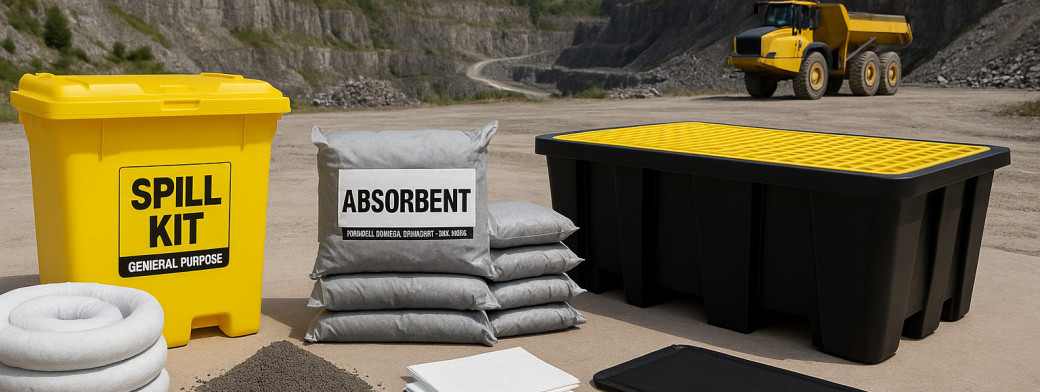
Introduction to Spill Response in Quarrying
Spill response refers to the procedures and actions taken to manage hazardous material spills, ensuring minimal environmental impact and maintaining workplace safety. In the quarrying and aggregates industry, effective spill response strategies are crucial due to the potential risks posed by fuel storage and hydraulic leaks. These operations are often situated in remote locations, making prompt and efficient response even more essential.
Implementing a robust spill response plan is not just a regulatory requirement; it is a vital component of operational safety and environmental stewardship. According to the HSE's Approved Code of Practice, quarry operators must be prepared to deal with spills to prevent contamination of land and water resources. With the unpredictable nature of weather exposure, the risk of spills can be exacerbated, making it imperative for operators to have effective strategies in place.
This blog will provide a comprehensive overview of spill response in quarrying, focusing on three key areas: fuel storage, hydraulic leaks, and remote-site spill response. Each section will delve into best practices, regulatory guidelines, and practical tips to enhance spill preparedness and response. For additional resources, visit Serpro's spill response page and explore further insights into pollution prevention for businesses at GOV.UK.
Fuel Storage: Best Practices
Effective fuel storage is essential in quarrying and aggregates operations to prevent spills that can lead to environmental contamination and regulatory penalties. Implementing best practices not only safeguards the environment but also ensures compliance with regulatory requirements.
Types of Fuel Storage Systems
There are various types of fuel storage systems that are commonly used in the quarrying sector, including:
- Above-ground storage tanks (ASTs): These tanks are easily accessible and allow for regular monitoring, but they require proper containment measures to prevent spills.
- Underground storage tanks (USTs): While these are less visible and reduce the risk of surface spills, they can pose significant risks if leaks occur.
- Mobile fuel storage units: Used for remote sites, these units must be equipped with spill containment features and regularly inspected.
Regulatory Requirements
Operators must adhere to several regulations regarding fuel storage, including those outlined by the HSE – Health and Safety at Quarries (L118 ACOP). Key requirements include:
- Regular inspections and maintenance of fuel storage systems.
- Implementation of spill response plans that comply with local environmental regulations.
- Proper training for staff on handling fuel and responding to spills.
Preventative Measures
To mitigate the risk of spills, quarry operators should adopt the following preventative measures:
- Secondary containment: Ensure that all fuel storage systems have adequate secondary containment to capture any leaks or spills.
- Weather protection: Protect fuel storage areas from adverse weather conditions that could lead to spills, such as heavy rainfall or flooding.
- Routine training: Conduct regular training sessions for employees on spill prevention, detection, and response protocols.
By following these best practices for fuel storage, quarry operators can significantly reduce the risk of spills and ensure compliance with applicable regulations. For more information on fuel storage solutions, visit Serpro's fuel storage page.
Managing Hydraulic Leaks
Hydraulic leaks are a common concern in quarrying operations, potentially leading to environmental contamination and operational downtime. Understanding the causes, implementing preventative measures, and establishing effective emergency response procedures are crucial for managing these incidents.
Common Causes of Hydraulic Leaks
Hydraulic leaks can arise from various sources, including:
- Wear and tear on hoses and fittings due to age or excessive use.
- Poor installation or maintenance practices that compromise system integrity.
- Exposure to harsh environmental conditions, such as extreme temperatures or corrosive materials.
- Accidental damage from machinery operation or material handling.
Preventative Maintenance
To mitigate the risk of hydraulic leaks, quarry operations should implement a robust preventative maintenance programme. Key strategies include:
- Regular inspections of hydraulic systems to identify signs of wear, corrosion, or damage.
- Replacing hoses and fittings at appropriate intervals, based on manufacturer recommendations and operational use.
- Training personnel on proper handling and operation of hydraulic equipment to minimise accidental damage.
- Utilising protective measures, such as guards and shields, to safeguard hydraulic components from environmental exposure and physical impact.
Emergency Response Procedures
In the event of a hydraulic leak, having a clear emergency response plan is essential. The following steps should be included in your response procedures:
- Immediately shut down the equipment involved to prevent further leakage.
- Assess the situation to determine the extent of the leak and potential environmental impact.
- Use appropriate containment measures, such as absorbent materials and spill kits, to prevent the spread of hydraulic fluid.
- Report the incident to the designated environmental officer and notify relevant authorities, as outlined in the HSE guidance on quarries.
- Document the incident and response actions for future reference and improvement of procedures.
For more in-depth information regarding hydraulic leaks and their management, visit Serpro's dedicated page on hydraulic leaks.
Remote-Site Spill Response Strategies
In the quarrying and aggregates industry, the remote nature of many sites poses unique challenges when it comes to spill response. Effective preparedness is crucial for minimising the environmental impact of spills and ensuring the safety of personnel. By establishing robust strategies, operators can respond swiftly and effectively to incidents.
Importance of Preparedness
Preparedness is the cornerstone of effective spill response. Quarry operators should conduct regular risk assessments to identify potential spill sources, particularly in remote environments where immediate assistance may not be available. Implementing a comprehensive spill response plan tailored to the specific site conditions is essential. This plan should include procedures for containment, clean-up, and reporting, ensuring that all personnel are familiar with their roles in the event of a spill.
Equipment and Training Needs
Investing in the right spill response equipment is critical for remote sites. Operators should stock essential spill kits that include absorbent materials, containment booms, and personal protective equipment (PPE). Regularly inspecting and maintaining this equipment ensures readiness when needed. Furthermore, training employees in spill response protocols is vital. Regular drills can help reinforce procedures and enhance team coordination during an actual spill event. For more information on remote spill response resources, visit Serpro's Remote Spill Response.
Communication Protocols
Effective communication is paramount for managing spills, especially in remote locations. Establishing clear communication protocols ensures that all team members can report incidents promptly and receive assistance when necessary. This includes having reliable communication tools, such as two-way radios or satellite phones, to maintain contact even in areas with poor mobile coverage. Additionally, operators should ensure that all employees are aware of the reporting process and emergency contacts, facilitating a swift response to spills.
For further guidance on pollution prevention in business, including spill response measures, refer to the GOV.UK guidance on pollution prevention. Implementing these strategies not only protects the environment but also aligns with compliance standards set forth in the HSE – Health and Safety at Quarries guidelines.
Weather Considerations in Spill Response
Weather conditions play a significant role in the effectiveness of spill response efforts within quarrying and aggregates operations. Understanding how elements such as rain, snow, and temperature fluctuations can impact these responses is crucial for ensuring safety and minimising environmental damage.
Impact of Rain, Snow, and Temperature
Rainfall can exacerbate the spread of spills, as it can wash contaminants into nearby water systems or increase the area affected by a leak. Conversely, snow can create barriers that may delay response times, as equipment may be hindered by accumulated snow or ice. Moreover, temperature extremes can affect the viscosity of fuels and lubricants, influencing how quickly they leak and how easily they can be contained. For instance, in colder temperatures, fuel may thicken, making it more challenging to manage spills effectively.
Seasonal Preparedness
Seasonal changes require quarry operators to adjust their spill response plans accordingly. During the winter months, it is essential to ensure that all equipment is winterised and that personnel are equipped with proper gear to handle cold-weather conditions. Similarly, in the rainy season, operators should assess drainage systems and ensure that spill kits are readily available and capable of managing increased water flow. For more on seasonal preparedness, refer to this resource.
Adjusting Response Strategies Based on Weather
It is vital for quarry managers to tailor their spill response strategies based on current and forecasted weather conditions. For example, during heavy rainfall, it may be necessary to deploy additional containment measures such as booms or absorbent materials to prevent the spread of contaminants. Additionally, having a clear communication plan in place ensures that all staff are aware of their roles during adverse weather events, helping to facilitate a swift and effective response.
For more comprehensive guidelines on health and safety in quarry operations, you can visit the HSE Quarries industry guidance. This resource provides invaluable insights into maintaining compliance and ensuring safety in various environmental conditions.
Ultimately, understanding and preparing for weather-related challenges in spill response can significantly enhance the resilience of quarry operations and safeguard the surrounding environment.
Case Studies: Successful Spill Responses
In the quarrying and aggregates industry, effective spill response is crucial for protecting the environment and maintaining operational integrity. Here are some notable examples of successful spill responses that highlight best practices and lessons learned.
Example 1: Fuel Spill Containment at a Limestone Quarry
In a recent incident at a limestone quarry, a fuel storage tank developed a leak due to corrosion. The quick action of the site manager, who had previously attended spill response training, allowed for immediate containment measures. The team deployed absorbent booms and pads to contain the spill before it could reach nearby water sources. Following the incident, the quarry conducted a thorough review of their fuel storage practices, implementing regular inspections and investing in secondary containment systems.
Example 2: Hydraulic Leak Response on Excavators
At an aggregates site, an excavator experienced a hydraulic leak during operations, resulting in a small spill of hydraulic fluid. The crew, trained in spill response protocols, quickly isolated the machine and used absorbent materials to clean up the spill. This incident led to the establishment of a routine maintenance schedule for all hydraulic equipment, significantly reducing the risk of future leaks. The importance of regular equipment checks was underscored, reinforcing the need for proactive measures in spill prevention.
Lessons Learned and Best Practices
From these case studies, several key lessons emerge:
- Training and Preparedness: Regular spill response training for all employees is essential to ensure quick and effective action during an incident.
- Regular Inspections: Conducting routine inspections of fuel storage and hydraulic systems can help identify potential issues before they escalate.
- Proactive Measures: Investing in secondary containment systems and spill kits at strategic locations can significantly reduce the impact of spills.
For further insights and similar case studies, visit Serpro's case studies. Additionally, the HSE's guidance on health and safety at quarries offers valuable resources for quarry operators aiming to enhance their spill response strategies.
Conclusion and Call to Action
In summary, effective spill response strategies are crucial in the quarrying and aggregates sector. The potential environmental and financial repercussions of spills underscore the need for robust planning and preparedness. By prioritising spill response, companies can mitigate risks associated with fuel storage, hydraulic leaks, and remote-site incidents, particularly in challenging weather conditions.
Ongoing Training and Preparedness
Encouraging ongoing training for employees is essential. Regular drills and updates on spill response protocols ensure that all team members are well-equipped to handle incidents swiftly and efficiently. Investing in training not only fosters a culture of safety but also enhances compliance with regulations outlined in the HSE’s L118 ACOP and other industry standards.
Resources for Further Information
To further enhance your spill response strategies, consider exploring available resources. The GOV.UK guidance on pollution prevention for businesses provides invaluable insights into best practices for spill and run-off prevention. Additionally, for comprehensive quarrying-specific health and safety resources, you can visit HSE Quarries industry guidance.
For more resources and tools tailored to your needs, don't hesitate to check out Serpro's resource page.