
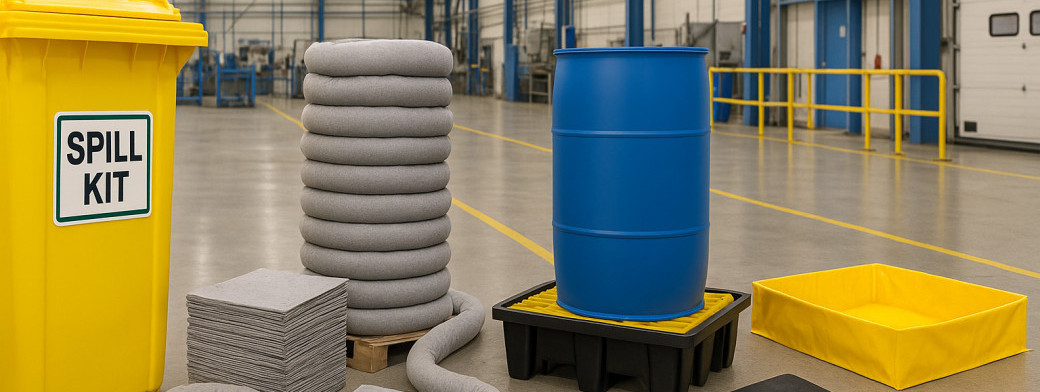
Introduction to Spill Management in the Paint and Coatings Sector
In the context of the paint and coatings industry, spills refer to the unintended release of materials such as pigments, solvents, resins, and other hazardous substances during manufacturing, storage, or transportation. These spills can pose significant risks not only to the environment but also to the health and safety of workers and the surrounding community.
Overview of Risks Associated with Spills
The risks associated with spills in the paint and coatings sector are multifaceted. They can lead to chemical exposure, which may result in acute or chronic health issues for workers. Additionally, spills involving flammable liquids can create explosive atmospheres, increasing the potential for fires and explosions, particularly when handled improperly. Furthermore, environmental contamination can occur, leading to long-term damage to ecosystems and potential legal repercussions for companies.
Importance of Spill Management for Safety and Compliance
Effective spill management is crucial for ensuring the safety of employees and compliance with legal regulations, such as the Dangerous Substances and Explosive Atmospheres Regulations (DSEAR) and the Control of Substances Hazardous to Health (COSHH). Implementing comprehensive spill management protocols not only mitigates risks but also demonstrates a company's commitment to health, safety, and environmental stewardship. By prioritising spill management, businesses can protect their workforce, comply with regulatory requirements, and maintain their reputation in the industry.
Understanding DSEAR Regulations
The Dangerous Substances and Explosive Atmospheres Regulations (DSEAR) are critical for ensuring the safety of workplaces that handle hazardous materials, including the paint and coatings sector. These regulations are designed to protect employees and the environment from the risks associated with dangerous substances, such as pigments, solvents, resins, and flammable liquids.
Overview of DSEAR
DSEAR establishes a framework for identifying and controlling the risks associated with dangerous substances in the workplace. It mandates that employers assess the risks of fire and explosion arising from the use of these substances and implement necessary measures to eliminate or mitigate those risks. For more detailed guidance, the Health and Safety Executive (HSE) provides comprehensive resources on compliance with DSEAR.
Specific Requirements for Paint and Coatings Manufacturers
In the paint and coatings industry, manufacturers must adhere to several key requirements under DSEAR. This includes:
- Conducting a thorough risk assessment to identify areas where flammable substances are used, stored, or processed.
- Implementing appropriate control measures to prevent ignition sources and manage potential explosive atmospheres.
- Providing adequate training for staff on handling hazardous materials and emergency procedures.
- Ensuring proper labelling and signage in areas where dangerous substances are present.
For further information on compliance, manufacturers can refer to DSEAR compliance resources.
Consequences of Non-Compliance
Failing to comply with DSEAR can lead to severe consequences for paint and coatings manufacturers. These may include:
- Legal penalties, including fines and prosecution.
- Increased risk of workplace accidents, injuries, and fatalities.
- Damage to reputation and loss of business due to non-compliance.
It is crucial for manufacturers to take DSEAR regulations seriously and ensure that all safety measures are in place to protect their employees and the environment.
Types of Spills in Paint and Coatings Manufacturing
In the paint and coatings manufacturing sector, spills can pose significant risks to both health and the environment. Understanding the common types of spills is essential for effective spill management and compliance with regulations such as the Dangerous Substances and Explosive Atmospheres Regulations (DSEAR).
Common Types of Spills
1. Pigment Spills
Pigment spills often occur during the mixing and transportation of paint products. For example, powdered pigments can be accidentally released during the loading process, leading to contamination of surfaces and equipment. These spills can result in respiratory issues if inhaled and can cause long-term environmental damage due to the toxicity of certain pigments.
2. Solvent Spills
Solvents are widely used in paint formulations, making their spills particularly concerning. A common example is a leak from a storage drum or a spill during the cleaning of equipment. Solvent spills can lead to immediate health risks, including headaches, dizziness, and skin irritation, as highlighted in the HSE guide on working safely with solvents. Additionally, they can contribute to air pollution and groundwater contamination.
3. Resin Spills
Resin spills may occur when transferring resins or during the production process. For instance, if a resin container is dropped, it can release large amounts of material. These spills can create slippery surfaces, posing slip hazards, and can also generate hazardous fumes that may affect workers' health if not managed properly.
4. Flammable Liquid Spills
Flammable liquids, such as certain solvents and thinners, present a high risk of fire and explosion. A typical scenario could involve a spill during the refuelling of machinery or equipment. The presence of flammable vapours can create an explosive atmosphere, making it critical to adhere to DSEAR guidelines to prevent ignition sources and ensure safe handling practices.
Potential Environmental and Health Impacts
Each type of spill can have severe environmental consequences, including soil and water contamination, which can affect local ecosystems. Health impacts on workers can range from acute effects, such as respiratory distress, to chronic conditions arising from long-term exposure to hazardous substances. Implementing robust spill management protocols is essential to mitigate these risks.
For more information on the types of spills and their management, visit Serpro's guide on spill types.
Choosing the Right Absorbents for Spill Management
Effective spill management in the paint and coatings sector requires careful selection of absorbents tailored to the specific type of spill. With various materials involved, including pigments, solvents, resins, and flammable liquids, understanding the types of absorbents available and the criteria for their selection is crucial for maintaining safety and compliance with regulations such as DSEAR.
Types of Absorbents Available
Absorbents can be categorized into several types:
- Organic Absorbents: Made from natural materials such as peat or cellulose, these are ideal for non-hazardous spills and are biodegradable.
- Synthetic Absorbents: Typically made from polymers, these absorbents are designed for specific liquids like oils or solvents and offer high absorbency.
- Granular Absorbents: Often used for solid and semi-solid spills, these absorbents can efficiently manage larger volumes of liquid.
- Specialty Absorbents: Designed for specific industries, these absorbents can include features like fire resistance, making them suitable for flammable liquids.
Criteria for Selection
When selecting absorbents, consider the following criteria:
- Material Compatibility: Ensure the absorbent is compatible with the type of liquid being spilled. For example, using a non-absorbent material for a solvent spill could exacerbate the situation.
- Absorption Capacity: Choose absorbents that can handle the expected volume of the spill effectively.
- Environmental Impact: Opt for biodegradable materials where possible to minimise environmental harm.
- Ease of Use: Select absorbents that are easy to deploy and remove, facilitating a swift response to spills.
Importance of Using the Right Absorbent for Specific Spills
Utilising the correct absorbent is not only vital for effective spill containment but also for compliance with health and safety regulations. For instance, the HSE guidelines emphasise the importance of proper solvent handling to mitigate risks associated with hazardous substances. Using inappropriate absorbents can lead to increased exposure risks, potential fire hazards, and environmental contamination.
For more information on various absorbent options, visit Serpro's absorbents page.
Best Practices for Spill Management
Preventative Measures
Effective spill management begins with robust preventative measures. In the paint and coatings industry, it is crucial to maintain strict controls over the handling of pigments, solvents, resins, and flammable liquids. Regular risk assessments should be conducted in compliance with COSHH regulations to identify potential hazards and implement suitable control measures. This includes proper storage solutions, such as bunded areas and spill trays, to contain any leaks or spills before they occur.
Emergency Response Procedures
In the event of a spill, having clear emergency response procedures is essential. All staff should be familiar with the steps to take in case of a spill, including the immediate containment of the substance and the appropriate use of spill kits. Training should cover the correct selection and application of absorbents suitable for various materials, particularly for hazardous substances regulated under DSEAR. Quick access to Material Safety Data Sheets (MSDS) can provide vital information on handling specific substances safely and effectively during a spill.
Training and Awareness for Staff
Ongoing training and awareness programs are fundamental to ensuring all employees are equipped to manage spills effectively. Regular training sessions should cover safe handling practices, emergency procedures, and the importance of reporting spills immediately. This not only helps to mitigate risks but also fosters a culture of safety within the workplace. Resources such as spill management best practices can serve as valuable references for developing comprehensive training modules.
Conclusion: The Importance of Effective Spill Management
In the paint and coatings manufacturing sector, effective spill management is not just a regulatory requirement; it is a critical component of workplace safety, environmental protection, and operational efficiency. The handling of pigments, solvents, resins, and flammable liquids necessitates robust spill management practices to mitigate risks associated with hazardous substances. By adhering to guidelines outlined in the Dangerous Substances and Explosive Atmospheres Regulations (DSEAR), businesses can significantly reduce the potential for accidents and ensure compliance with safety standards.
Implementing effective spill management strategies not only safeguards employees but also protects the environment from contamination. The proper selection and use of absorbents, alongside thorough training for staff on spill response protocols, are essential steps in fostering a culture of safety. Additionally, the Control of Substances Hazardous to Health (COSHH) regulations provide a framework for assessing and controlling health risks associated with hazardous substances, reinforcing the need for comprehensive spill management.
In conclusion, effective spill management is vital for maintaining a safe workplace and achieving compliance with health and safety regulations. It is imperative that companies actively implement best practices to safeguard their employees and the environment. For more insights on effective spill management strategies, visit Serpro's Spill Management page.