
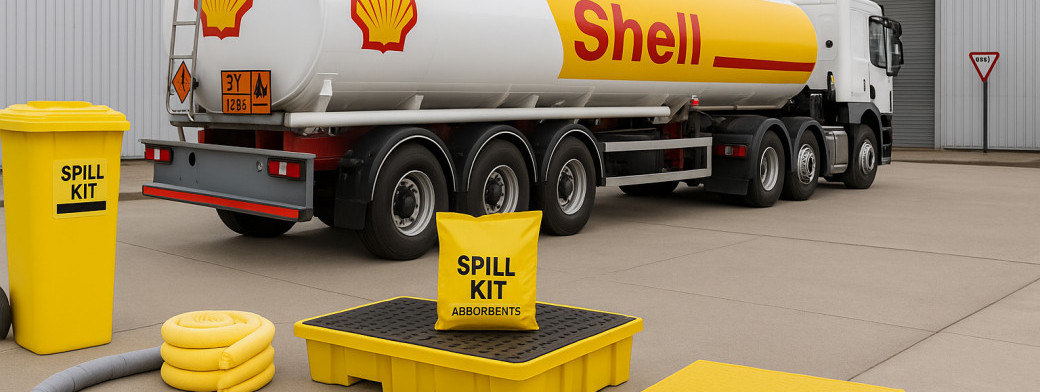
Introduction to Spill Management in Fuel Tanker Depots and Tank Farms
Spill management refers to the systematic approach to preventing, controlling, and mitigating spills of hazardous materials, particularly fuels, within fuel tanker depots and tank farms. Effective spill management is crucial in these environments due to the potential risks associated with fuel storage and handling, including fire hazards, environmental contamination, and regulatory compliance.
The importance of spill management in fuel depots cannot be overstated. A large-volume fuel spill can have devastating effects on both human safety and the surrounding environment. It poses significant risks not only to the personnel working at the facility but also to nearby communities and ecosystems. Implementing robust spill management strategies helps to ensure that any incidents are promptly addressed, minimizing potential harm.
Compliance with relevant regulations is a fundamental aspect of effective spill management. In the UK, the Health and Safety Executive (HSE) provides guidance on the storage of flammable liquids in tanks, outlining best practices for spill prevention and response. Additionally, the Dangerous Substances and Explosive Atmospheres Regulations (DSEAR) establish a legal framework for managing fire and explosion risks associated with fuels. These regulations emphasize the importance of proper bund design, siting, and spill prevention measures, which are critical for safeguarding both people and the environment.
For more information on spill management strategies, you can visit Serpro's spill management page.
Best Practices for Spill Prevention
Preventing spills in fuel tanker depots and tank farms is paramount to ensure safety, regulatory compliance, and environmental protection. Implementing effective strategies can significantly reduce the risk of large-volume fuel spills. Below are key best practices to consider:
Bund Design and Maintenance
One of the most critical aspects of spill prevention is the proper design and maintenance of bunds. Bunds are barriers designed to contain spills and prevent them from spreading. According to bund design guidelines, they should be constructed from materials that are impermeable to the substances stored and should have a capacity to hold at least 110% of the largest tank's volume. Regular maintenance is essential to ensure that bunds are free from cracks, leaks, and debris that could impede their function.
Regular Inspections
Conducting regular inspections of both storage tanks and bunds is vital for early detection of potential issues. The HSE – The storage of flammable liquids in tanks (HSG176) recommends routine checks for signs of corrosion, leaks, and structural integrity. Inspections should also include a review of all safety equipment and spill response kits to ensure they are complete and functional. Documenting inspection results can help track maintenance needs and compliance with regulations.
Staff Training and Awareness
Ensuring that all staff members are adequately trained in spill prevention and response is crucial. Training should cover the proper handling of fuels, understanding the function of bunds, and the importance of reporting any hazards. Regular training sessions will help maintain awareness and reinforce the significance of spill prevention. As per the Dangerous Substances and Explosive Atmospheres Regulations (DSEAR), employees must be knowledgeable about the risks associated with flammable substances and the measures in place to mitigate them.
By implementing these best practices—effective bund design and maintenance, regular inspections, and comprehensive staff training—fuel tanker depots and tank farms can significantly reduce the risk of spills and enhance overall safety and environmental protection. For further guidance on oil storage, you can refer to the GOV.UK guidance on storing oil at home or business.
Emergency Response Strategies for Large-Volume Fuel Spills
In the event of a large-volume fuel spill at fuel tanker depots or tank farms, immediate and effective action is crucial to mitigate risks and protect both personnel and the environment. Below are the essential steps to take during such an emergency.
Immediate Actions
Upon discovery of a large-volume fuel spill, the first step is to activate the emergency response plan. Personnel should:
- Ensure personal safety by donning appropriate protective equipment.
- Evacuate non-essential personnel from the area to a safe distance.
- Shut down any nearby equipment that could create an ignition source.
For more detailed emergency response protocols, refer to SERPRO's emergency response guidelines.
Containment Strategies
Containment is vital to prevent the spread of fuel. Implement the following strategies:
- Utilise bunding systems to contain spills within designated areas. Ensure that bunds are regularly inspected and maintained in accordance with GOV.UK bund design guidelines.
- Deploy absorbent materials (such as booms and pads) to confine and soak up the spilled fuel.
- Consider using temporary barriers if the spill exceeds bund capacity.
Notification Procedures
Timely notification to relevant authorities is essential. Follow these steps:
- Immediately inform the site manager and the designated emergency response team.
- Contact local emergency services by calling 999 or the relevant environmental agency to report the incident.
- Document all actions taken during the spill response for future analysis and compliance with regulations such as the Dangerous Substances and Explosive Atmospheres Regulations (DSEAR).
By adhering to these emergency response strategies, fuel tanker depots and tank farms can effectively manage large-volume spills, ensuring the safety of personnel and minimising environmental impact.
Regulatory Compliance in Spill Management
Effective spill management in fuel tanker depots and tank farms is not only a matter of operational efficiency but also a crucial aspect of regulatory compliance. In the UK and EU, various regulations provide a framework to ensure the safe handling and storage of flammable liquids, with specific guidelines for spill prevention and management.
HSG176 Overview
The HSE publication HSG176 outlines the best practices for the storage of flammable liquids in tanks. It provides comprehensive guidance on the design, construction, and maintenance of storage facilities to minimise risks associated with large-volume fuel spills. By adhering to the recommendations detailed in HSG176, fuel depots can significantly reduce the likelihood of incidents and ensure compliance with safety regulations.
DSEAR Implications
The Dangerous Substances and Explosive Atmospheres Regulations (DSEAR) are vital for managing fire and explosion risks from fuels. DSEAR requires that employers assess the risks associated with dangerous substances, including flammable liquids stored in fuel tanker depots. This includes implementing control measures to reduce the risk of spills and ensuring that effective emergency response plans are in place. Compliance with DSEAR not only enhances safety but also aligns with broader environmental protection goals.
Local Regulations
In addition to national guidelines, local regulations may impose further requirements on fuel storage facilities. Local councils often have specific regulations regarding the siting and construction of bunds, spill containment systems, and emergency response protocols. It is essential for operators to engage with local authorities and ensure that their facilities comply with all relevant local regulations. This may include adhering to the guidance provided by GOV.UK on storing oil, which outlines best practices for bund design and spill prevention.
For more detailed information on regulatory compliance, you can visit Serpro's regulatory compliance page.
Ignition Control Measures in Fuel Tanker Depots
Effective ignition control is paramount in preventing fuel spills from escalating into catastrophic events. Identifying potential ignition sources is the first step in developing a robust safety strategy. Common ignition sources in fuel tanker depots include open flames, electrical equipment, static electricity, and hot surfaces. Conducting a thorough risk assessment can help pinpoint these hazards and facilitate the implementation of appropriate control measures.
Implementing Control Measures
Once ignition sources have been identified, it is essential to implement stringent control measures. This includes maintaining a safe distance between fuel storage areas and potential ignition sources, ensuring proper ventilation to dissipate flammable vapours, and using explosion-proof equipment wherever possible. Regular inspections and maintenance of electrical systems are also critical to mitigate risks. For more detailed guidance on the legal framework surrounding these measures, refer to the Dangerous Substances and Explosive Atmospheres Regulations (DSEAR).
Training Staff
Training staff is a vital component of any ignition control strategy. Personnel should be educated on the nature of flammable substances, the importance of ignition control, and procedures to follow in case of a potential ignition incident. Regular training sessions and drills can reinforce safety protocols and ensure that all employees are prepared for emergencies. Resources such as the HSE guidance on the storage of flammable liquids in tanks (HSG176) can provide further insights into best practices.
For additional information on ignition control, visit Serpro's Ignition Control page.
Environmental Protection Strategies
Effective spill management is crucial not just for operational integrity, but also for safeguarding our environment. When a fuel spill occurs at tanker depots or tank farms, it is imperative to conduct a thorough impact assessment to understand the potential ecological consequences. This assessment helps in identifying affected habitats, water sources, and local wildlife, allowing for a targeted response that minimizes environmental damage.
Remediation Strategies
Once the impact assessment is completed, appropriate remediation strategies must be implemented. These may include the use of absorbent materials, bioremediation techniques, and soil excavation, depending on the severity and nature of the spill. Following the guidelines set forth by the HSE – The storage of flammable liquids in tanks (HSG176), operators should ensure that remediation efforts are compliant with legal and environmental standards.
Community Engagement
Another critical aspect of environmental protection during spill management is community engagement. Informing local residents and stakeholders about the spill response measures not only fosters trust but also ensures that community concerns are addressed. Establishing clear communication channels can assist in disseminating important information regarding safety measures and environmental recovery efforts.
For further details on spill prevention and bund design, refer to GOV.UK – Storing oil at home or business. It is essential to integrate these environmental protection strategies into your overall spill management plan to uphold compliance with UK and EU regulations, including the Dangerous Substances and Explosive Atmospheres Regulations (DSEAR).
By prioritising environmental protection strategies, we can ensure a more sustainable approach to spill management in fuel tanker depots and tank farms.
Case Studies of Successful Spill Management
Understanding real-life examples of effective spill management can provide valuable insights for fuel tanker depots and tank farms. Here are a few notable cases that highlight successful spill response strategies.
Successful Spill Response Examples
In a recent incident at a large fuel depot in the UK, a significant spill occurred during the transfer of diesel from a tanker to storage tanks. The immediate activation of the emergency response plan allowed for a swift containment of the spill using temporary bunds and absorbent materials. This proactive approach not only minimized environmental impact but also ensured the safety of personnel on site.
Lessons Learned
This incident underscored the importance of regular training and drills for staff, which were found to be crucial in executing the emergency response plan effectively. Additionally, the need for a thorough risk assessment prior to operations was identified as a key factor in preventing spills. The depot also revised their equipment maintenance schedule, ensuring that all transfer hoses and connections were checked regularly to mitigate risks.
Best Practices Derived
From these experiences, several best practices have emerged:
- Regular bund inspections to ensure integrity and functionality, in compliance with HSG176.
- Implementation of strict ignition control measures to prevent fire hazards, aligning with DSEAR regulations.
- Establishment of a comprehensive spill response plan that includes clear communication channels and designated roles for all staff.
- Continuous improvement through post-incident reviews to enhance future spill management strategies.
For further insights and case studies on spill management, please visit SERPRO case studies.
Conclusion and Future Directions
In summary, effective spill management in fuel tanker depots and tank farms hinges on several best practices, including regular bund inspections, robust emergency response planning, stringent ignition control measures, and a commitment to environmental protection. Implementing these strategies not only helps mitigate risks associated with large-volume fuel spills but also ensures compliance with key regulations such as the HSE guidance on the storage of flammable liquids in tanks (HSG176) and the Dangerous Substances and Explosive Atmospheres Regulations (DSEAR).
Looking ahead, we anticipate future regulatory changes that may further tighten standards around spill management, emphasizing the need for continuous improvement in practices and technologies. Facilities must remain agile, adapting to these evolving regulations to enhance safety and environmental stewardship.
Moreover, fostering a culture of continuous improvement is essential. By investing in training and adopting innovative spill management technologies, fuel tanker depots and tank farms can not only comply with current regulations but also lead the way in best practices. For more insights on future directions in spill management, visit this resource.