
Introduction
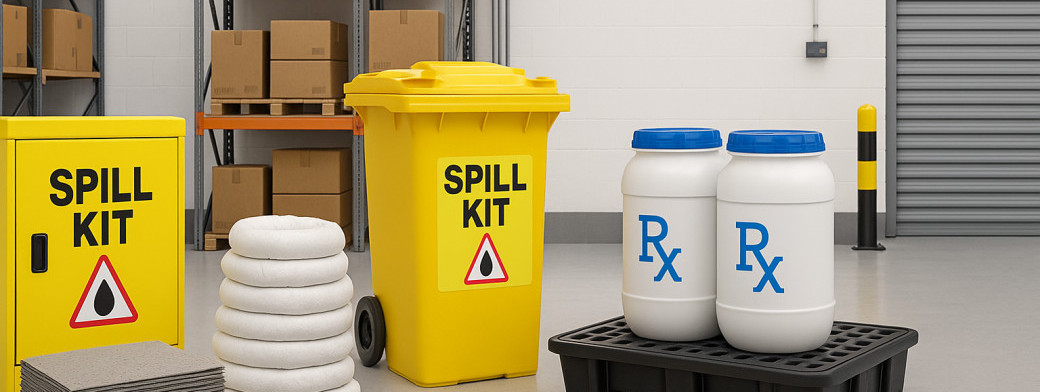
Spill control is a systematic approach to managing and mitigating the risks associated with the accidental release of hazardous materials, particularly liquids, solvents, and clinical supplies within pharmaceutical warehousing environments. In these facilities, where stringent compliance with Good Manufacturing Practice (GMP) and Good Distribution Practice (GDP) is paramount, effective spill control measures are essential to ensure safety, protect the environment, and maintain the integrity of pharmaceutical products.
Pharmaceutical warehousing encompasses the storage, handling, and distribution of medicinal products, often involving sensitive materials that require careful management. The significance of spill control in these settings cannot be overstated; not only does it safeguard the health and safety of personnel, but it also prevents costly product loss and regulatory non-compliance. With the potential hazards associated with chemical spills, including contamination and the risk of fire, implementing robust spill control measures is critical.
Moreover, having audit-ready spill kits and effective segregation strategies can greatly enhance a facility's preparedness for potential spill incidents. By prioritising spill control, pharmaceutical warehouses can contribute to a safer working environment and uphold their commitment to quality and compliance.
For further insights on maintaining GDP compliance and best practices, refer to the MHRA Inspectorate Blog and the GOV.UK Medicines Wholesaler Licensing page.
In summary, effective spill control measures are not merely a regulatory requirement but a vital component of operational excellence in pharmaceutical warehousing.
Importance of Spill Control in Pharmaceuticals
In the pharmaceutical industry, especially within secondary packaging facilities, effective spill control measures are crucial for maintaining a safe and compliant working environment. The handling of liquids, solvents, and clinical supplies poses significant risks that can impact health and safety, regulatory compliance, and environmental integrity.
Impact of Spills on Health and Safety
Spills in pharmaceutical warehousing can lead to hazardous situations, posing risks to staff and visitors. Exposure to toxic substances can result in serious health complications, while slips and falls can lead to injuries. Implementing robust spill control measures, including well-audited spill kits, is essential for mitigating these risks and ensuring a safe working environment.
Regulatory Implications
Pharmaceutical companies are subject to stringent regulatory requirements as outlined in Good Manufacturing Practice (GMP) and Good Distribution Practice (GDP). Failure to effectively manage spills can lead to non-compliance, resulting in potential fines, legal action, and damage to reputation. Regular audits and inspections, such as those discussed in the MHRA Inspectorate Blog, emphasise the need for companies to be prepared for spill incidents.
Environmental Considerations
Beyond health and safety and regulatory concerns, spills can have detrimental effects on the environment. Chemicals and solvents can contaminate soil and water sources, leading to long-term ecological damage. By implementing effective spill control strategies, pharmaceutical facilities can minimise their environmental footprint, demonstrating their commitment to sustainability and corporate social responsibility.
Types of Spill Kits
In pharmaceutical warehousing, especially within secondary packaging facilities that handle liquids, solvents, and clinical supplies, having the right type of spill kit is crucial for maintaining safety and compliance. There are several types of spill kits available, each designed for specific types of substances.
Universal Spill Kits
Universal spill kits are versatile and can absorb a wide range of liquids, including water-based and oil-based substances. They are ideal for general use in environments where various types of spills may occur. These kits typically include absorbent pads, socks, and disposal bags that can handle common warehouse spills.
Chemical Spill Kits
For facilities that handle hazardous chemicals and solvents, chemical spill kits are essential. These kits are specifically designed to absorb aggressive liquids and often contain materials resistant to corrosive substances. It is vital to choose a chemical spill kit that matches the specific chemicals used in your facility to ensure effective containment and safety.
Biohazard Spill Kits
In facilities dealing with clinical supplies, biohazard spill kits are necessary for managing spills involving biological materials. These kits typically include personal protective equipment (PPE), absorbents that are suitable for biological substances, and disposal containers compliant with health regulations.
Choosing the Right Kit
When selecting a spill kit, consider the types of substances your facility handles regularly. Understanding the specific risks associated with each material will guide you in choosing the most effective spill kit. Regular checks and maintenance of these kits are crucial to ensure they are fully stocked and ready for use. Outdated or incomplete kits can hinder response efforts during an emergency.
For more information on the various types of spill kits and their applications in pharmaceutical settings, visit Serpro.
Ensuring compliance with Good Manufacturing Practice (GMP) and Good Distribution Practice (GDP) guidelines is vital for maintaining operational integrity and safety in your warehouse.
Segregation Strategies
Effective spill control in pharmaceutical warehousing, especially in secondary packaging facilities handling liquids, solvents, and clinical supplies, relies heavily on robust segregation strategies. The physical segregation of hazardous materials is paramount to minimise the risk of spills affecting non-hazardous products and ensuring a safe working environment.
Physical Segregation of Hazardous Materials
To maintain safety and compliance, hazardous materials should be stored separately from non-hazardous items. This segregation can be achieved through designated storage areas, which should be clearly marked and equipped with appropriate containment measures. For instance, utilising spill pallets and bunds can help contain any leaks or spills, preventing them from spreading to other areas.
Storage Solutions
Implementing effective storage solutions, such as specialised cabinets for volatile solvents or corrosive liquids, is essential. These cabinets should comply with relevant safety regulations and standards, ensuring that they are resistant to fire and chemical exposure. Regular audits and inspections of storage areas can help identify any potential risks and ensure compliance with GMP and GDP guidance.
Labeling and Signage Importance
Clear labeling and signage play a critical role in effective segregation strategies. All hazardous materials must be properly labelled with relevant hazard symbols and handling instructions. Additionally, placing warning signs in storage areas and near spill kits can increase awareness and prompt immediate action in case of a spill. For more information on spill control products, consider visiting Serpro’s absorbents page.
By implementing these segregation strategies, pharmaceutical warehousing facilities can enhance their spill control measures and ensure compliance with regulations, ultimately protecting both personnel and products.
Audit-Ready Compliance
In the pharmaceutical warehousing sector, particularly within secondary packaging facilities, maintaining effective spill control measures is not just a matter of safety; it is also crucial for regulatory compliance. Understanding audit requirements is essential for ensuring that your facility meets the stringent standards set by regulatory bodies.
Understanding Audit Requirements
Regulatory inspections often focus on spill control measures, as they are indicative of a facility's overall operational integrity. Facilities must be prepared to demonstrate that they have implemented appropriate spill control strategies, including the availability of audit-ready spill kits and effective segregation strategies for hazardous materials. This preparedness not only ensures compliance but also enhances the reputation of the facility.
Documentation and Records
Maintaining thorough documentation and records of spill incidents, training sessions, and the maintenance of spill kits is essential. Clear records enable quick access to information during audits, showcasing your facility's commitment to compliance and safety. Regular reviews of these documents can help identify areas for improvement and ensure that all spill control measures are up to date.
Training Staff for Compliance
Training staff on spill control measures is a vital component of compliance. Employees should be well-versed in the correct procedures for handling spills, including the use of spill kits and the proper reporting of incidents. Regular training sessions not only equip staff with the necessary skills but also foster a culture of safety and accountability within the facility. For more insights on ensuring compliance with industry standards, you can refer to the MHRA Inspectorate Blog.
Best Practices for Spill Management
Effective spill management is crucial in pharmaceutical warehousing, especially within secondary packaging facilities handling liquids, solvents, and clinical supplies. Implementing best practices can significantly reduce risks associated with spills and ensure compliance with Good Manufacturing Practice (GMP) and Good Distribution Practice (GDP) standards.
Regular Training Sessions
Conducting regular training sessions for all employees enhances awareness and ensures that everyone is equipped to handle spill incidents effectively. Training should include proper usage of spill control materials, emergency procedures, and safety protocols. This proactive approach prepares staff to act swiftly and correctly, minimising potential harm and product loss.
Emergency Response Plans
Developing and maintaining comprehensive emergency response plans is essential. These plans should outline clear steps to take in the event of a spill, including evacuation procedures, containment methods, and communication protocols. Regularly reviewing and updating these plans ensures they remain effective and relevant, fostering a culture of safety and readiness.
Continuous Improvement Strategies
Implementing continuous improvement strategies allows facilities to evaluate their spill management practices regularly. This can involve conducting audits, gathering employee feedback, and reviewing incident reports to identify areas for enhancement. By fostering a mindset of ongoing improvement, pharmaceutical warehousing operations can adapt to new challenges and maintain compliance with evolving GDP regulations.
Conclusion
In summary, effective spill control is a critical component of pharmaceutical warehousing, particularly in secondary packaging facilities that manage liquids, solvents, and clinical supplies. The potential risks associated with spills not only pose safety hazards but can also lead to significant regulatory repercussions and financial losses. Implementing robust spill control measures ensures compliance with Good Manufacturing and Distribution Practice (GMP and GDP), safeguarding both personnel and products.
Audit-ready spill kits are essential; they provide the necessary tools to respond swiftly and effectively to spills, minimising impact and ensuring that operations remain compliant with the stringent requirements set forth by regulatory bodies. Furthermore, effective segregation strategies play a pivotal role in preventing cross-contamination and ensuring that hazardous materials are managed safely and responsibly.
As we move forward in today's fast-paced pharmaceutical landscape, it is imperative to prioritise spill control best practices within your facility. We encourage all professionals in the field to assess their current spill response strategies and take proactive measures to enhance their spill control protocols. For comprehensive spill kit solutions, consider exploring Serpro's spill kits designed specifically for your needs.
By fostering a culture of safety and compliance, we can collectively ensure the integrity of pharmaceutical products and the wellbeing of everyone involved in the supply chain.