
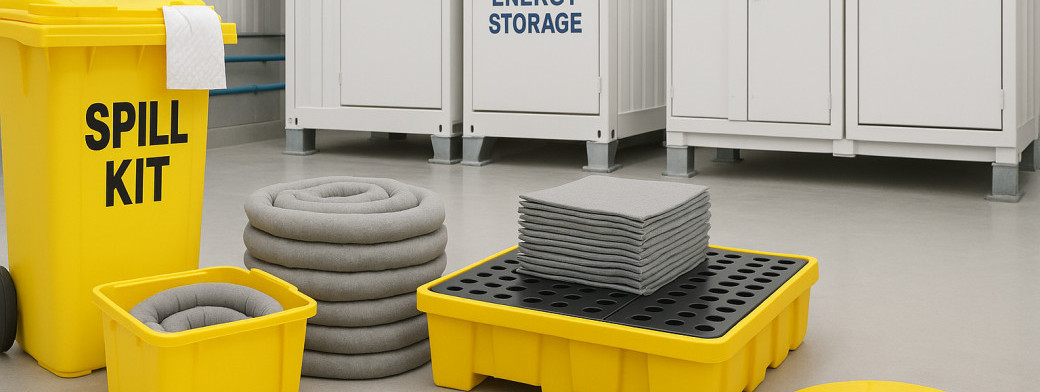
Introduction to Spill Preparedness
Battery Energy Storage Systems (BESS) are innovative technologies designed to store electrical energy for later use, playing a crucial role in the transition to renewable energy sources. As the deployment of BESS increases, so does the need for effective spill preparedness strategies to mitigate potential hazards associated with these systems.
Spill preparedness is vital in ensuring the safety of personnel, the environment, and the integrity of the BESS itself. An effective spill response plan not only protects against immediate risks but also aligns with regulatory requirements and best practices for environmental management.
Risks Associated with BESS
While BESS provides numerous benefits, they also present unique risks. One of the primary concerns is the potential for electrolyte leaks, which can occur due to equipment failure, improper handling, or external factors. These leaks can lead to chemical exposure and environmental contamination if not addressed promptly.
Additionally, the proximity of BESS to fire hazards poses significant spill risks. In the event of a fire, the materials involved can exacerbate the situation, leading to further complications and challenges in containment. To manage these risks effectively, it is essential to implement comprehensive spill management solutions, such as those outlined by Serpro.
Furthermore, understanding the legal obligations related to spill preparedness is crucial. The HSE's DSEAR guidelines provide a framework for managing fire and explosion risks from dangerous substances, highlighting the importance of preventive measures and readiness in case of incidents.
In summary, spill preparedness for BESS is a multifaceted approach that encompasses understanding the inherent risks, implementing effective strategies, and ensuring compliance with environmental regulations. By prioritising these areas, BESS operators can significantly reduce the impact of spills and enhance overall safety.
Understanding Electrolyte Leaks
Battery Energy Storage Systems (BESS) utilise various types of electrolytes to facilitate the movement of ions within the battery, enabling energy storage and release. Common electrolytes used in BESS include lithium-ion, lead-acid, and sodium-sulphur, each with distinct properties and applications. However, electrolyte leaks can occur, posing significant risks to both health and the environment.
Types of Electrolytes Used in BESS
Electrolytes in BESS are often classified based on their chemical composition:
- Lithium-ion: These batteries typically use lithium salts dissolved in organic solvents.
- Lead-acid: This traditional battery type employs a diluted sulphuric acid solution as its electrolyte.
- Sodium-sulphur: Operating at high temperatures, these batteries utilise molten sodium and sulphur as electrolytes.
Common Causes of Leaks
Electrolyte leaks can arise from several factors, including:
- Physical Damage: Impact from external forces or mishandling can puncture battery casings, leading to leaks.
- Corrosion: Over time, battery components may corrode due to chemical reactions, compromising their integrity.
- Improper Maintenance: Neglecting regular inspections and maintenance can increase the likelihood of electrolyte leaks.
Health and Environmental Risks Associated with Leaks
Electrolyte leaks pose serious health and environmental risks. Many electrolytes, particularly in lithium-ion and lead-acid batteries, are toxic and can cause:
- Skin and Eye Irritation: Direct contact with leaked electrolytes can lead to burns or irritation.
- Respiratory Issues: Inhalation of vapours from leaking electrolytes can cause respiratory distress.
- Environmental Contamination: If not managed properly, leaked electrolytes can contaminate soil and water, leading to long-term ecological damage. For guidance on pollution prevention, refer to GOV.UK's pollution prevention resources.
To mitigate these risks, it is essential to implement effective spill management strategies, as outlined in spill management solutions. Understanding the potential causes and consequences of electrolyte leaks is a crucial step in ensuring the safety and environmental compliance of Battery Energy Storage Systems.
Fire-Adjacent Spill Risks
Battery Energy Storage Systems (BESS) are increasingly vital in the transition to renewable energy. However, the presence of hazardous materials in these systems, particularly electrolytes, poses significant risks, especially when spills occur near fire hazards. Understanding these risks and implementing effective spill preparedness strategies is essential for ensuring safety and minimising the potential for catastrophic incidents.
Identification of Fire Hazards in BESS
Within a BESS, fire hazards can arise from several sources, including electrical faults, overheating batteries, and flammable materials used in the construction and maintenance of the systems. The Health and Safety Executive (HSE) outlines various fire and explosion risk controls that should be in place to mitigate these hazards. It is crucial for operators to conduct thorough risk assessments to identify potential sources of ignition and ensure that appropriate measures are taken.
Impact of Spills on Fire Risks
Spills of battery electrolytes can significantly increase fire risks in energy storage sites. Many electrolytes are corrosive and can ignite when they come into contact with certain materials or when exposed to high temperatures. The presence of a spill can exacerbate existing fire hazards, creating a volatile environment. Proper containment and immediate response to spills are essential to minimise this risk. The GOV.UK provides guidelines on pollution prevention that can help in managing these risks effectively.
Case Studies of Incidents
Several incidents involving BESS have highlighted the dangers associated with fire-adjacent spills. For instance, a notable incident in 2021 involved a battery storage facility where an electrolyte leak led to a fire, resulting in extensive damage and a lengthy recovery process. Investigations revealed that inadequate spill response measures and poor risk assessments contributed to the severity of the incident. Such case studies serve as a stark reminder of the importance of robust spill preparedness and the implementation of comprehensive safety protocols.
For more information on fire safety solutions applicable to BESS, visit Serpro.
Selecting Non-Conductive Absorbents
In the context of Battery Energy Storage Systems (BESS), non-conductive absorbents are materials specifically designed to manage spills while preventing electrical conductivity that could exacerbate hazardous situations. These absorbents are crucial in the event of electrolyte leaks, as they not only contain the spill but also mitigate the risk of fire and explosion, particularly in environments where flammable materials may be present.
Benefits of Using Non-Conductive Materials
Utilising non-conductive absorbents offers several benefits:
- Safety: They reduce the risk of electrical shock and fire, making them safer for personnel working in proximity to live electrical systems.
- Environmental Protection: Non-conductive absorbents help prevent harmful substances from contaminating the surrounding environment, aligning with pollution prevention principles.
- Ease of Use: These materials are often lightweight and easy to deploy, facilitating quick response to spills.
- Versatility: Non-conductive absorbents can be used for various types of spills, including oils, coolants, and electrolytes.
Examples of Suitable Absorbents
When selecting non-conductive absorbents for spill management at BESS sites, consider the following materials:
- Polypropylene Absorbent Pads: These are highly effective for absorbing liquids while being non-conductive, making them ideal for electrical environments.
- Absorbent Granules: Made from materials like clay, these granules can effectively soak up spills and are safe to use around electrical equipment.
- Fibre-based Absorbents: Natural fibres such as cotton or synthetic fibres designed specifically for absorbency can be utilised to contain and clean up spills without conducting electricity.
For more information on types of absorbents and their applications, visit Serpro's absorbent resource page.
In conclusion, selecting appropriate non-conductive absorbents is an integral part of spill preparedness in Battery Energy Storage Systems. By ensuring that these materials are readily available and correctly used, facilities can significantly enhance their safety and environmental compliance, as outlined in the HSE DSEAR framework and the HSE fire and explosion topic hub.
Implementing Environmental Controls at Energy Storage Sites
As the adoption of Battery Energy Storage Systems (BESS) continues to grow, ensuring effective environmental controls at energy storage sites is paramount. These controls not only mitigate spill risks but also safeguard human health and the surrounding ecosystem. This section outlines essential environmental controls, best practices for spill prevention, and relevant regulatory requirements.
Overview of Environmental Controls
Environmental controls encompass a range of measures designed to prevent spills, manage hazardous materials, and mitigate the impact of any potential incidents. Key controls include:
- Containment systems: Installing secondary containment systems, such as bunds or spill trays, around storage areas can effectively capture leaks before they spread.
- Regular inspections: Conducting routine inspections of equipment and storage facilities can help identify potential failure points and ensure that any risks are addressed promptly.
- Emergency response plans: Developing and implementing comprehensive emergency response plans ensures that personnel are prepared to act swiftly in the event of a spill.
Best Practices for Spill Prevention
Implementing best practices is crucial to reducing the likelihood of spills. These practices include:
- Proper training: Regular training for all personnel on spill response and prevention techniques is vital for maintaining a safe working environment.
- Use of non-conductive absorbents: During routine maintenance, using non-conductive absorbents can help manage and contain minor spills without introducing additional hazards.
- Regular maintenance: Ensuring that all equipment is properly maintained and functioning can prevent leaks and spills before they occur.
Regulatory Requirements
Compliance with regulatory requirements is essential for the safe operation of energy storage sites. The HSE DSEAR (Dangerous Substances and Explosive Atmospheres Regulations) outlines the framework for managing fire and explosion risks from dangerous substances, including those found in battery systems. Additionally, the UK Government’s pollution prevention principles provide guidelines for businesses to prevent environmental contamination.
By implementing robust environmental controls, adhering to best practices, and complying with regulatory requirements, energy storage sites can significantly reduce spill risks and contribute to a safer environment for all.
Emergency Response Planning
Effective spill preparedness for Battery Energy Storage Systems (BESS) hinges on a well-structured emergency response plan. This plan should encompass several critical components to ensure swift and effective action during spill incidents.
Components of an Emergency Response Plan
An emergency response plan must include:
- Identification of hazards: Assess potential spill risks, particularly concerning electrolyte leaks and fire-adjacent spill scenarios.
- Roles and responsibilities: Clearly define roles for personnel involved in spill response, ensuring everyone knows their specific duties.
- Response procedures: Outline step-by-step procedures for containment, clean-up, and reporting of spills.
- Resource allocation: Ensure that necessary equipment, such as non-conductive absorbents, is readily available on-site.
Training and Drills
Regular training and drills are essential to reinforce the emergency response plan. Personnel should receive training on:
- Proper use of spill containment materials.
- Emergency evacuation procedures.
- Communication protocols during a spill incident.
Conducting drills simulating various spill scenarios can help ensure that staff are prepared and confident in their response actions.
Communication Protocols
Effective communication is vital during a spill incident. Establish clear protocols that include:
- Immediate reporting procedures to notify relevant authorities and emergency services.
- Internal communication to keep all team members informed about the situation and response actions.
- Public communication strategies to manage stakeholders and community concerns.
For more detailed guidance on pollution prevention for businesses, refer to the GOV.UK pollution prevention guidelines.
For additional resources on emergency response, visit Serpro's emergency response page.
Conclusion and Best Practices
In summary, spill preparedness for Battery Energy Storage Systems (BESS) is crucial for ensuring the safety of personnel, the integrity of the environment, and the longevity of the energy storage systems themselves. With the increasing reliance on battery technologies, the potential risks associated with electrolyte leaks and fire-adjacent spills become ever more significant. By implementing effective spill management strategies, facilities can mitigate these risks and respond swiftly to any incidents.
It is essential for energy storage operators to adopt best practices such as regular inspections, proper training for staff, and the use of non-conductive absorbents. Additionally, environmental controls, including containment systems and spill response plans, should be part of every BESS operation. For comprehensive spill management solutions, consider visiting Serpro Spill Management Solutions.
We encourage all stakeholders in the energy storage sector to prioritise spill preparedness and integrate these practices into their operational protocols. By doing so, they not only protect their investments but also contribute to a safer and more sustainable energy future.
For further information on managing fire and explosion risks, refer to the HSE DSEAR Framework and explore the HSE Fire and Explosion Topic Hub. Additionally, the GOV.UK Pollution Prevention for Businesses resource offers valuable insights into environmental spill prevention principles.