
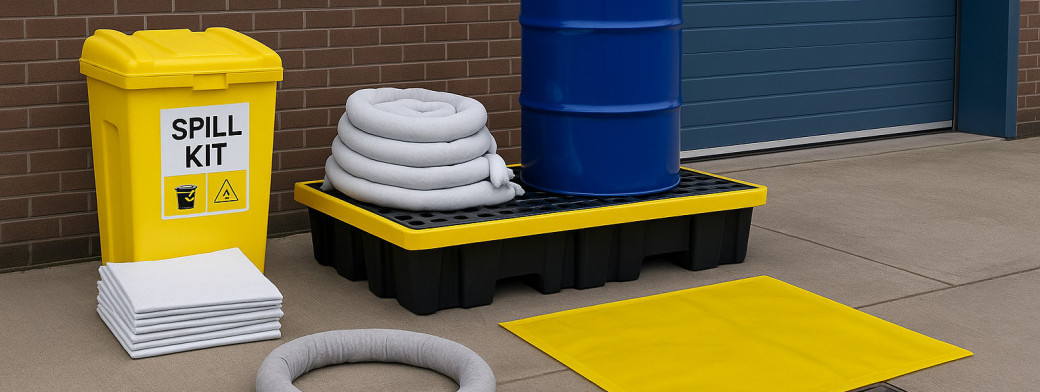
Introduction to Spill Control in Waste Oil Operations
Waste oil operations refer to the collection, storage, and transfer of used oils from various sources, including vehicles, machinery, and industrial processes. These operations are essential for recycling and proper disposal, ensuring that hazardous materials do not harm the environment. However, they also pose significant risks if not managed correctly, particularly regarding spills.
Spill control is crucial in waste oil operations for several reasons. Firstly, even small spills can lead to substantial environmental damage, contaminating soil and water sources. This not only poses a risk to local ecosystems but can also result in severe legal repercussions and financial losses for businesses. Effective spill control measures help mitigate these risks, ensuring compliance with regulations such as those outlined in GOV.UK's oil storage regulations and promoting sustainability in waste management practices.
This blog will explore various aspects of spill control in waste oil operations. We will start by examining the regulatory framework surrounding oil storage and spill prevention, drawing insights from resources provided by GOV.UK. Next, we will discuss best practices for spill prevention, detailing procedures and equipment necessary for effective management. Additionally, we will cover emergency response strategies for spills, ensuring that businesses are prepared for any incidents that may occur. Finally, we will provide a summary of key takeaways and resources for further reading, including links to services like Serpro's waste oil management.
Understanding Spill Risks in Waste Oil Operations
Waste oil collection and transfer operations are critical for environmental protection and resource recovery, but they also pose significant risks of spills that can have dire consequences. Understanding these risks is essential for effective spill control and management.
Types of Spills
There are several types of spills that can occur during waste oil operations, including:
- Accidental Spills: These are unintentional releases of waste oil that can happen during loading, unloading, or transport. Common causes include equipment failure, human error, and improper handling.
- Leaking Containers: Storage tanks and containers that are not properly maintained can develop leaks, resulting in slow but continuous spills over time.
- Overfills: When tanks or containers are filled beyond their capacity, excess oil can overflow, leading to spills.
Potential Environmental Impacts
The environmental impacts of waste oil spills can be severe and long-lasting. Waste oil contains harmful hydrocarbons and heavy metals that can contaminate soil and water bodies. This contamination can lead to:
- Soil Degradation: Oil spills can affect soil health, killing beneficial microorganisms and plants.
- Water Pollution: If waste oil enters rivers, lakes, or groundwater, it can harm aquatic life and make water unsafe for human consumption.
- Wildlife Harm: Spilled oil can coat birds, mammals, and fish, leading to health issues or death.
Legal Implications
In the UK, businesses involved in waste oil operations are subject to strict regulations regarding spill prevention and management. Failure to comply with these regulations can result in severe legal consequences, including:
- Fines and Penalties: Regulatory bodies can impose fines for non-compliance with oil storage regulations. For more information, refer to GOV.UK – Oil Storage Regulations and Safety.
- Liability for Environmental Damage: Companies may be held liable for the costs associated with cleaning up spills and restoring affected environments.
- Reputational Damage: Businesses that experience spills may face negative publicity, leading to loss of customer trust and business opportunities.
To mitigate these risks, it is crucial for operators to conduct thorough spill risk assessments and implement robust spill control measures. For additional guidance on pollution prevention, visit GOV.UK – Pollution Prevention for Businesses.
Solutions for Effective Spill Control
In waste oil operations, effective spill control is paramount to ensure environmental safety and compliance with regulations. The following solutions can significantly mitigate the risks associated with oil spills during collection and transfer processes.
Oil-Only Absorbents
One of the most effective methods for spill control is the use of oil-only absorbents. These materials are specifically designed to soak up oil while repelling water, making them ideal for use in environments where oil spills may occur. They come in various forms, including pads, rolls, and socks, giving operators flexibility in how they are deployed. Regularly stocking these absorbents at waste oil collection points ensures that immediate action can be taken in the event of a spill, minimising potential environmental damage.
Bunding
Bunding is another critical solution for spill control. This involves creating a barrier around storage areas to contain any potential leaks or spills. According to UK regulations, bunds should be capable of holding at least 110% of the volume of the largest container in the bunded area. Implementing proper bunding solutions not only complies with legal requirements but also provides an added layer of protection against accidental spills, ensuring that any released oil is contained and does not enter the environment.
Mobile Spill Kits
Having mobile spill kits readily available is essential for rapid response to spills. These kits are designed to be portable and can be easily transported to the site of a spill. A comprehensive spill kit should include oil-only absorbents, disposal bags, gloves, and instructions for use. Training staff on the proper use of these kits ensures that they can act quickly and effectively in the event of a spill, further reducing the risk of environmental contamination. Regular checks and replenishment of spill kits are also necessary to maintain their efficacy.
In conclusion, the implementation of oil-only absorbents, bunding, and mobile spill kits are vital components of a robust spill control strategy in waste oil operations. By investing in these solutions, businesses can protect the environment, comply with regulations, and promote a culture of safety and responsibility within their operations.
Implementing Bunding for Spill Prevention
Bunding refers to the creation of a containment area around storage tanks or containers that holds potentially hazardous liquids, such as waste oil. This containment system is essential in preventing spills from spreading, thereby minimising environmental impact and ensuring compliance with safety regulations.
Bunding Regulations in the UK
In the UK, bunding is governed by strict regulations to protect both the environment and public health. According to GOV.UK, any oil storage facility must be equipped with a bund that can contain at least 110% of the volume of the largest tank within the bunded area. This requirement is designed to ensure that in the event of a leak or spill, there is sufficient capacity to contain the fluid and prevent it from reaching the surrounding environment.
Best Practices for Bunding
Implementing effective bunding practices is crucial for spill prevention in waste oil operations. Here are some best practices to consider:
- Material Selection: Use durable materials that are resistant to the chemicals stored, such as concrete or high-density polyethylene. This ensures the bund remains intact over time.
- Regular Inspections: Conduct frequent inspections of the bunding system to identify any signs of wear, damage, or contamination. These inspections should be documented for compliance purposes.
- Drainage Management: Ensure that any water that accumulates in the bund from rain or cleaning is properly managed and disposed of, as it can dilute the oil and complicate spill response efforts.
- Training and Awareness: Train all personnel involved in waste oil operations on the importance of bunding and spill prevention, ensuring they understand both the operational and legal implications.
For more detailed guidance on bunding best practices, visit Serpro's bunding best practices.
The Role of Mobile Spill Kits in Emergency Response
In waste oil operations, the prompt and effective management of spills is critical to ensuring safety and compliance with environmental regulations. Mobile spill kits are essential tools designed to address emergencies quickly, minimising potential damage and ensuring a swift response.
Components of a Mobile Spill Kit
A well-equipped mobile spill kit typically includes the following components:
- Absorbent materials: These are the primary items in a spill kit, including pads, booms, and socks that can absorb oil and other hazardous liquids.
- Personal protective equipment (PPE): Gloves, goggles, and coveralls protect personnel from exposure during spill clean-up.
- Containment tools: Buckets, disposal bags, and shovels are necessary for containing and removing the spilled material safely.
- Instruction manual: Clear, concise instructions guide staff on how to respond to spills effectively.
Having a comprehensive spill kit can significantly reduce the impact of a spill on the environment and enhance the safety of your operations.
When to Use a Spill Kit
Spill kits should be deployed immediately upon discovering a spill, whether it is a minor leak or a larger incident. The key indicators for using a spill kit include:
- Visible leaks from storage containers or equipment.
- Spills during the transfer of waste oil to or from containers.
- Any accidental release of oil that poses a risk to the environment or personnel.
Using a spill kit promptly not only helps contain the spill but also ensures compliance with pollution prevention guidelines set forth by authorities.
Training Staff on Spill Kit Usage
Proper training is essential for ensuring that staff can use spill kits effectively. Regular training sessions should cover:
- Identification of potential spill sources and risks.
- Step-by-step procedures for deploying the spill kit.
- Safety measures and the importance of wearing PPE.
- Reporting procedures following a spill.
By providing thorough training, businesses can foster a culture of safety and preparedness, significantly reducing the risk of spills causing harm to the environment or incurring regulatory penalties. For more information on spill kits, visit Serpro's spill kits page.
Documentation and Compliance in Spill Control
Effective spill control in waste oil operations is not only about the physical measures in place but also about comprehensive documentation and adherence to regulatory compliance. Proper record keeping, understanding regulatory requirements, and timely reporting of spills are crucial components of an effective spill control strategy.
Record Keeping
Maintaining accurate records is essential for any waste oil operation. This includes documentation of spill control procedures, training records for employees, and maintenance logs for spill response equipment. By keeping detailed records, businesses can demonstrate their commitment to spill prevention and response, which is often a requirement under regulatory frameworks. These records should be readily accessible for review by regulatory authorities as part of compliance audits.
Regulatory Compliance
Organizations handling waste oil must comply with various regulations to ensure safe storage and handling practices. In the UK, the Oil Storage Regulations provide guidelines on how to safely store oil and prevent spills. Compliance with these regulations not only helps protect the environment but also shields businesses from potential legal repercussions. It is crucial to stay updated on any changes to these regulations and ensure that all operations are in line with the latest requirements.
Reporting Spills
In the event of a spill, timely reporting is critical. Businesses must establish clear procedures for reporting spills to the relevant authorities. This includes notifying local environmental agencies and following the guidelines set out by the spill reporting framework. Prompt reporting not only aids in effective cleanup but also demonstrates a commitment to environmental responsibility. Failure to report spills can result in significant penalties and legal action.
In summary, thorough documentation and adherence to compliance requirements are essential for effective spill control in waste oil operations. By prioritising these aspects, businesses can mitigate risks and ensure a safer environment for all.
Conclusion and Best Practices for Spill Control
In summary, the risks associated with spills in waste oil collection and transfer operations are significant, impacting both the environment and business operations. Understanding these risks, such as leakage during transfer and improper storage, allows for effective solutions to be implemented. Key measures include using proper containment systems, regular inspection of storage facilities, and training staff on spill response protocols.
Encouraging proactive measures is essential for any operation dealing with waste oil. Implementing a comprehensive spill prevention plan not only safeguards the environment but also enhances the overall safety and efficiency of your operations. Regularly reviewing and updating your spill response procedures based on the latest regulations and best practices is vital.
For further reading on spill control resources, consider visiting Serpro's Spill Control Resources. Additionally, familiarising yourself with GOV.UK's guidelines on storing oil and oil storage regulations can provide invaluable insights into maintaining compliance and ensuring safety in your operations.
By prioritising spill control and adopting best practices, we can mitigate risks and protect our environment effectively. Let us commit to excellence in spill management and strive for a sustainable future.