
Introduction
Spill management refers to the processes and strategies employed to prevent, respond to, and clean up liquid spills in various environments, particularly those with high footfall, such as sports stadiums and events venues. Effective spill management is crucial in these settings, as the presence of large crowds increases the likelihood of accidents, which can lead to slips, trips, and falls, posing serious risks to public safety.
In high footfall areas, even minor spills can escalate quickly, resulting in not only physical injuries but also potential legal liabilities for venue operators. The consequences of inadequate spill management can be severe, including damage to facilities, loss of reputation, and financial repercussions. Therefore, establishing a robust spill management plan is essential for ensuring the safety and comfort of attendees.
This blog will explore various aspects of spill management tailored for sports stadiums and events venues. We will cover key topics such as slip prevention, effective fluid management, site drainage solutions, and emergency preparedness protocols. Each section will provide actionable insights and best practices to help venue operators implement effective spill management strategies. For more detailed guidance on event safety, you can refer to the HSE's Event Safety Guidance.
High Footfall Slip Prevention
In sports stadiums and event venues, managing slip hazards is crucial, especially in high-traffic areas where footfall is significant. The presence of spills can lead to serious accidents, making it essential to implement effective strategies for preventing slips and falls.
Types of Slip Hazards
Slip hazards can arise from various sources, including:
- Food and beverage spills, particularly in concession areas.
- Wet surfaces from rain or snow, especially near entrances and exits.
- Cleaning operations that leave floors wet or slippery.
- Loose flooring or mats that may shift or curl at the edges.
Preventative Measures
To combat these hazards, several preventative measures should be employed:
- Signage: Clearly displayed warning signs are essential. Use bright, eye-catching designs to alert patrons to wet floors or ongoing cleaning activities. Regularly review and replace signs to ensure they remain visible and effective.
- Mats: Installing non-slip mats in high-risk areas, such as entrances, food service areas, and restrooms, can significantly reduce the risk of slips. Ensure these mats are regularly cleaned and maintained to retain their effectiveness.
Regular Inspections and Maintenance
Routine inspections and maintenance play a vital role in slip prevention. Stadium staff should conduct frequent checks of high-traffic areas to identify and address potential hazards before they lead to incidents. This includes:
- Regularly assessing the condition of flooring and mats.
- Promptly cleaning spills and ensuring that surfaces are dry.
- Maintaining the drainage systems to prevent water accumulation.
For more in-depth information on slip prevention strategies, refer to Serpro's slip prevention guidelines.
Additionally, the SGSA Green Guide provides comprehensive safety management guidance tailored for UK stadium operators, including essential practices for maintaining safe environments.
By prioritising slip prevention through these measures, sports stadiums and event venues can enhance safety for all patrons, reduce liability, and ensure a more enjoyable experience for everyone involved.
Catering and Maintenance Fluids
In sports stadiums and events venues, various catering and maintenance fluids are essential for smooth operations but can pose significant spill risks if not managed correctly. Understanding the types of fluids used and implementing effective management strategies is crucial for ensuring safety and minimising environmental impact.
Common Catering Fluids
Catering operations at large venues often involve the use of several types of fluids, including:
- Oils: Cooking oils, such as vegetable and olive oil, are frequently used but can create slippery surfaces if spilled.
- Sauces: Various sauces, including gravies and dressings, can also lead to hazardous conditions if they escape from containers.
To mitigate spill risks, it is important to implement effective catering management practices. Regular staff training on spill response and proper handling techniques can significantly reduce the likelihood of spills occurring.
Maintenance Fluids
Maintenance activities in stadiums require the use of several types of fluids that can also lead to spills:
- Cleaning Agents: Chemicals used for cleaning can be hazardous if spilled, necessitating careful handling and storage.
- Lubricants: Oils and greases used for machinery maintenance can create slippery surfaces and should be managed diligently.
Proper storage of these fluids is critical. All maintenance fluids should be stored in clearly labelled containers, away from high-traffic areas, and in a designated spill containment area to prevent accidental exposure.
Storage and Handling Guidelines
Effective spill management begins with proper storage and handling of fluids. Here are some guidelines:
- Ensure all containers are securely closed when not in use.
- Implement a routine inspection schedule to check for leaks or damage to containers.
- Provide spill kits in areas where fluids are used or stored, ensuring staff are trained on their use.
By following these guidelines and adopting a proactive approach, stadiums and event venues can significantly reduce the risk of spills and ensure a safer environment for all attendees. For more in-depth information on pollution prevention, refer to the Environment Agency's Pollution Prevention guidelines.
Temporary Site Drainage and Weather Risk
Effective drainage systems are crucial for managing spills in sports stadiums and events venues, particularly in the face of unpredictable weather conditions. A well-designed drainage system not only mitigates the risk of slips and falls but also ensures that any spills are contained and managed efficiently.
Types of Drainage Systems
There are several types of drainage systems that can be implemented in stadiums and event venues:
- Surface Drainage: This type collects excess water from the ground surface using trenches or channels that direct water away from high-traffic areas.
- Subsurface Drainage: Installed beneath the ground, these systems involve perforated pipes that collect and redirect water, preventing flooding and reducing spill impact.
- Interceptor Drains: These are used to intercept surface water before it reaches critical areas, ensuring that spills do not mix with stormwater runoff.
Impact of Weather on Spill Management
Weather can significantly affect spill management strategies. Heavy rains can lead to flooding, overwhelming existing drainage systems and causing spills to spread uncontrollably. According to HSE Event Safety Guidance, it's essential for event organisers to assess weather forecasts and prepare for potential impacts on site safety.
Emergency Drainage Solutions
In the event of unexpected weather changes, having emergency drainage solutions in place is vital. Portable pumps, temporary barriers, and additional drainage channels can be deployed quickly to manage excess water and spills. Regularly reviewing and maintaining these emergency systems can help ensure they function effectively when needed.
For more information on effective drainage solutions, visit Serpro's drainage solutions. Additionally, the Environment Agency offers guidelines on managing waste liquids and chemical spills at large venues, which can be invaluable for stadium operators.
Rapid-Deploy Kits for Event Days
In the bustling atmosphere of sports stadiums and event venues, the risk of spills is ever-present. To ensure safety and maintain a smooth experience for attendees, it is essential to have rapid-deploy spill kits readily available. These kits are designed for swift response, minimising hazards associated with slips and falls caused by spills.
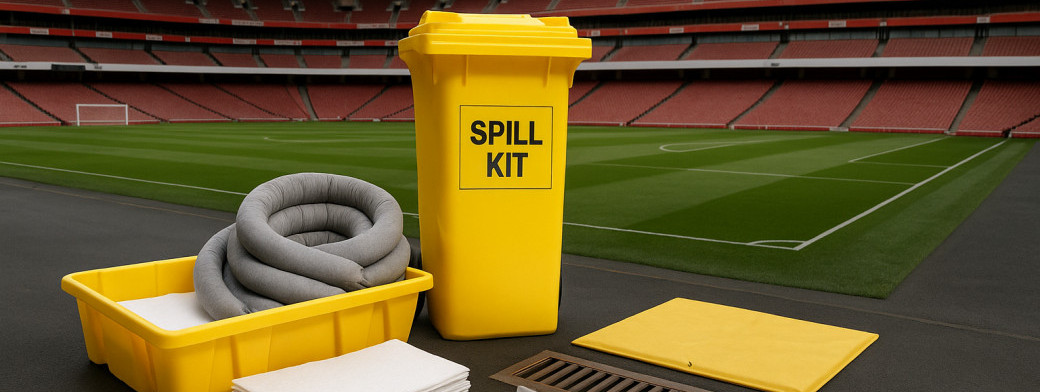
Contents of a Spill Kit
A well-equipped spill kit should contain a variety of items to effectively manage different types of spills. Essential components typically include:
- Absorbent pads and socks to soak up liquids quickly
- Protective gloves and goggles to ensure staff safety during cleanup
- Waste disposal bags for the safe collection of contaminated materials
- Spill response signage to alert attendees of the hazard
- Instructions for use to guide staff through the cleanup process
Training Staff on Kit Usage
Having the right tools is only part of the equation; training staff on how to effectively use these kits is crucial. Regular training sessions should be conducted to familiarise employees with the contents of the kits and the proper procedures for spill response. This training can help reduce reaction times and ensure that any spills are managed efficiently, aligning with guidelines from the SGSA.
Importance of Accessibility
Accessibility of spill kits is a critical factor in effective spill management. Rapid-deploy kits should be strategically placed throughout the venue, ensuring they are easily reachable in case of an emergency. Staff should be aware of kit locations, and regular checks should be performed to ensure that kits are stocked and ready for use. This proactive approach is essential, especially in high-traffic areas where spills are more likely to occur.
By investing in rapid-deploy spill kits, training staff for effective use, and ensuring accessibility, sports stadiums and event venues can significantly enhance their spill management strategies, safeguarding the wellbeing of all attendees.
Contractor/Vendor Coordination
Effective spill management in sports stadiums and events venues requires seamless coordination with contractors and vendors. These external partners play a crucial role in ensuring that potential spill incidents are managed swiftly and efficiently.
Roles of Contractors in Spill Management
Contractors are typically responsible for various operational aspects, including maintenance, catering, and waste management. Their role in spill management encompasses the immediate response to spills, the proper disposal of hazardous materials, and the implementation of preventative measures. For instance, catering contractors must ensure that food and beverage service areas are well-maintained to minimise the risk of spills, while maintenance teams are tasked with the immediate clean-up of any hazardous substances.
Communication Strategies
Effective communication strategies are vital for successful spill management. Regular meetings between venue management and contractors can help establish clear protocols and expectations regarding spill response. Furthermore, utilising a vendor management system can enhance coordination by providing a platform for real-time updates on spill incidents and management efforts. This ensures all parties are informed and can act swiftly when a spill occurs.
Regular Training and Updates
To maintain a high standard of spill management, it is essential to provide regular training and updates for contractors and vendors. Training sessions should cover the latest spill response techniques and safety regulations, as outlined by authoritative sources such as the HSE Events Safety Guidance and the SGSA Safety Management Guidance. Keeping contractors informed about new developments in spill management not only enhances their effectiveness but also contributes to a safer environment for all venue users.
By fostering strong coordination with contractors and vendors, stadiums and events venues can significantly improve their spill management strategies, ensuring a safer and cleaner experience for all attendees.
Conclusion
In summary, effective spill management is crucial for maintaining safety and operational efficiency at sports stadiums and events venues. As we've explored, proactive measures such as slip prevention, fluid management, site drainage, and emergency preparedness are essential to mitigate risks associated with spills. Implementing best practices not only protects patrons and staff but also upholds the reputation of the venue.
We encourage all venue operators to take proactive steps towards enhancing their spill management strategies. Consider reviewing guidelines from reputable sources such as the HSE Events Safety Guidance and the SGSA Safety Management Guidance, which provide valuable insights into managing hazards effectively.
Moreover, ongoing training for staff is vital in ensuring everyone is well-prepared to handle spills efficiently. Regular drills and refresher courses can empower your team to act swiftly and effectively in case of an emergency. For more detailed guidance on spill management, visit Serpro's Spill Management page.
By prioritising spill management, we can create safer environments for all attendees, ensuring that every event is memorable for the right reasons.