
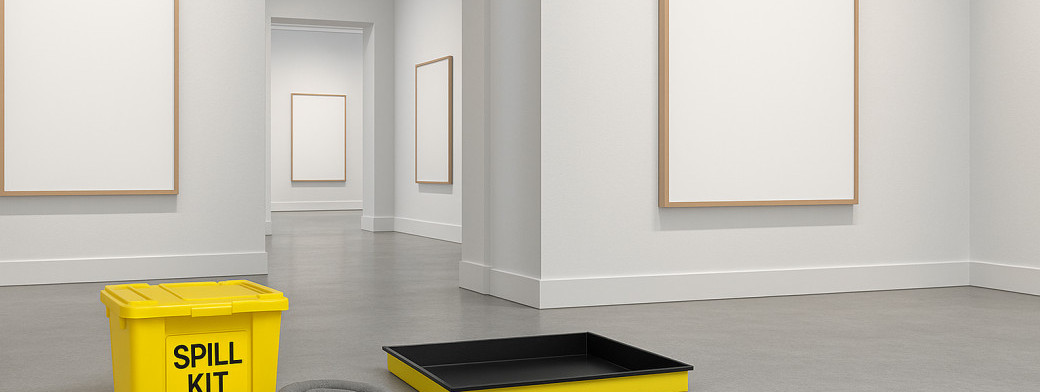
Importance of Spill Management in Cultural Institutions
Effective spill management is crucial for museums, galleries, and heritage sites, as even minor spills can have devastating effects on invaluable collections. The impact of spills extends beyond immediate physical damage; they can lead to irreversible deterioration of artefacts, artworks, and historical documents. For institutions dedicated to preserving cultural heritage, this poses a significant challenge that requires robust strategies and preparedness.
Impact of Spills on Collections
Spills can introduce contaminants that compromise the integrity of collections. Liquids can seep into materials, leading to mould growth, corrosion, or discolouration. The Institute of Conservation (ICON) highlights the importance of understanding how different substances interact with various materials, underscoring the need for conservation-safe products when addressing spills.
Legal and Ethical Responsibilities
Institutions also face legal and ethical responsibilities concerning the care of their collections. Failure to manage spills effectively can result in legal repercussions, particularly if the damage extends to public safety or the environment. Moreover, the ethical obligation to protect cultural heritage necessitates proactive spill management strategies, ensuring that collections are safeguarded for future generations.
Long-Term Financial Implications
The long-term financial implications of inadequate spill management can be substantial. Restoration and conservation efforts following a spill can incur significant costs, diverting funds from other vital areas of operation. Additionally, institutions may face increased insurance premiums or claims if spills lead to extensive damage. As outlined by the Environment Agency, effective spill management not only protects collections but also contributes to the financial sustainability of cultural institutions.
Conservation-Safe Spill Products
Effective spill management in museums, galleries, and heritage sites is crucial to preserving invaluable collections. The selection of conservation-safe products is paramount, ensuring that cleaning and containment efforts do not compromise the integrity of artefacts and structures.
Types of Conservation-Safe Products
When addressing spills, it is essential to utilise products specifically designed to be gentle on sensitive materials. These may include:
- Absorbents: Natural fibre absorbents, such as cellulose or cotton, can effectively manage spills without introducing harmful chemicals.
- Cleaning Agents: pH-neutral cleaners are vital, as they prevent damage to delicate surfaces. Alkaline or acidic products can lead to deterioration over time.
- Sealants: Eco-friendly sealants can be used to protect surfaces from future spills while being safe for both the environment and the collections.
Importance of pH Neutrality
Maintaining pH neutrality in cleaning products is essential in conservation efforts. Many items in collections, such as textiles, paper, and wood, are sensitive to acidic or alkaline conditions. Using pH-neutral products ensures that artefacts remain unharmed during the cleaning process, preserving their historical and aesthetic value.
Eco-Friendly Options
In addition to being conservation-safe, selecting eco-friendly products is increasingly important. These options not only contribute to a healthier environment but also align with sustainable practices in heritage management. The HSE provides guidelines on selecting cleaning chemicals that minimise environmental impact, which is especially vital in heritage sites where pollution can have far-reaching effects.
For comprehensive guidance on managing spills and chemical hazards in heritage settings, resources such as the ICON (Institute of Conservation) and the Environment Agency offer invaluable insights.
Addressing HVAC/Roof Leaks
Leaks from HVAC systems or roof plants can pose significant risks to the integrity of collections housed within museums, galleries, and heritage sites. Implementing effective spill management strategies is essential to safeguarding these invaluable assets.
Regular Maintenance Schedules
Establishing regular maintenance schedules is crucial for the prevention of leaks. Inspections should be conducted at least bi-annually to check for signs of wear, corrosion, or damage to HVAC systems and roofing materials. Keeping thorough records of maintenance activities will also aid in identifying recurring issues and planning for necessary upgrades.
Immediate Response Protocols
In the event of a leak, having immediate response protocols in place is vital. Staff should be trained on how to quickly identify the source of the leak and take initial containment actions. This may include using absorbent materials that are conservation-safe to prevent further damage to collections. It is also important to notify the maintenance team promptly to address the source of the leak effectively.
Long-Term Solutions for Leak Prevention
Beyond immediate responses, museums must invest in long-term solutions for leak prevention. This can involve upgrading to modern, energy-efficient HVAC systems designed to minimize the risk of leaks. Additionally, exploring options for roof materials that offer better durability and weather resistance can significantly reduce the likelihood of future incidents. For more comprehensive guidelines on managing environmental risks, refer to the pollution prevention guidelines provided by the Environment Agency.
Discreet Storage Solutions for Spill Kits
Effective spill management in museums, galleries, and heritage sites begins with the strategic placement and accessibility of spill kits. It's crucial to balance visibility with discreetness to ensure that these essential tools are readily available without compromising the aesthetic integrity of the space.
Design Considerations for Visibility and Accessibility
When selecting storage solutions for spill management kits, consider the design and materials used. Opt for spill kits that come in compact, unobtrusive packaging that can blend with the surroundings. Storage units should be clearly labelled yet designed to harmonise with the museum's décor. A good practice is to use colour-coded systems that indicate the type of spill kit, allowing for quick identification while maintaining a low profile.
Types of Storage Units
There are various options for storing spill kits, including:
- Wall-mounted cabinets: These can be installed in less conspicuous areas, ensuring easy access while keeping the kits out of sight.
- Under-counter storage: Utilizing space beneath counters or tables can provide a hidden yet accessible location for spill kits.
- Mobile carts: For larger institutions, mobile carts allow for flexibility and can be moved as necessary, while still being designed to look professional.
Location Strategies within the Institution
Identifying the optimal locations for spill kit storage is essential. Consider placing kits near high-risk areas such as:
- HVAC units or roof plant areas where leaks are more likely to occur.
- Storage rooms containing chemicals or other hazardous materials.
- Display areas where spills could potentially harm artworks or exhibits.
Regular training and signage can further enhance awareness and readiness among staff, ensuring that spill kits are not only available but also effectively utilised during emergencies.
Contractor Controls During Installations
Managing contractors effectively during installation work is crucial for preventing spills that could harm valuable collections in museums, galleries, and heritage sites. Implementing best practices ensures that any potential risks are mitigated, thus safeguarding both the environment and the integrity of the collections.
Pre-Installation Risk Assessments
Before any installation begins, a thorough pre-installation risk assessment should be conducted. This assessment identifies potential hazards associated with the materials and processes involved in the installation. Special attention should be paid to the types of chemicals and equipment being used, as well as their proximity to sensitive items. By understanding these risks upfront, appropriate measures can be taken to prevent spills.
Training and Awareness for Contractors
It is essential to provide comprehensive training and raise awareness among contractors regarding the specific needs of heritage sites and the importance of spill management. Training should cover safe handling of materials, proper use of conservation-safe products, and the procedures to follow in case of a spill. Engaging contractors in workshops or briefings can foster a culture of responsibility and awareness, ultimately reducing the likelihood of incidents.
Emergency Response Plans
Every installation should include a clear and accessible emergency response plan tailored to handle potential spills. This plan should outline immediate actions to take if a spill occurs, including containment measures and notification procedures. It is advisable to conduct regular drills to ensure that both staff and contractors are familiar with the emergency protocols. For further guidance, consult the ICON Conservation & Hazards Guidance and the HSE Managing Facilities & Estates resources.
By prioritising contractor controls during installations, museums, galleries, and heritage sites can significantly reduce the risk of spills, ensuring the preservation of their invaluable collections.
Documentation for Insurers
Effective spill management in museums, galleries, and heritage sites is not only about immediate response but also about thorough documentation to support potential insurance claims. When a spill occurs, having the right types of documentation is crucial for a successful claim process.
Types of Documentation Required
Key documents that should be collected include:
- Incident Reports: Detailed accounts of the spill incident, including date, time, location, and nature of the spill.
- Photographic Evidence: High-quality images of the affected area and any damage caused, which can substantiate the claim.
- Cleaning and Restoration Records: Documentation of the cleaning process, including materials used and the time taken to resolve the issue.
- Contractor Invoices: Receipts and invoices from any external contractors involved in the clean-up or restoration efforts.
Importance of Record-Keeping
Maintaining accurate records is essential for several reasons. First, it provides a clear timeline of events that can be referenced during the claims process. Second, it helps demonstrate due diligence in spill management, which can be beneficial in negotiations with insurers. For more detailed guidance on documentation, visit Serpro Documentation.
Preparing for Inspections
Preparation for potential inspections by insurers is vital. Ensure that all documentation is organized and readily accessible. Regular audits of your records can help identify gaps or missing information, allowing for timely updates. Additionally, consider implementing a digital tracking system to streamline the documentation process and improve efficiency. This proactive approach not only aids in claims but also reinforces your commitment to preserving cultural heritage.
For further insights into managing spills in sensitive environments, refer to the ICON guidance and HSE guidelines on cleaning chemical hazards.
Conclusion
In summary, effective spill management is crucial for preserving the integrity of collections in museums, galleries, and heritage sites. By implementing conservation-safe products, establishing protocols for handling leaks from HVAC and roof plants, and ensuring discreet kit storage, institutions can significantly minimise the risks associated with spills. Additionally, contractor controls during installations and meticulous documentation for insurers are vital components of a robust spill management strategy.
We urge institutions to take proactive measures by investing in comprehensive spill management plans. This not only protects valuable collections but also demonstrates a commitment to sustainability and preservation. The resources available can provide further guidance on effective spill management practices tailored for heritage environments.
Furthermore, it is essential to stay informed about best practices in spill management. Resources from the Institute of Conservation and the Health and Safety Executive offer valuable insights into managing hazards effectively. Additionally, the Environment Agency provides guidelines specifically for sensitive sites, ensuring that heritage institutions can navigate the complexities of spill management with confidence.
By prioritising spill management, museums, galleries, and heritage sites can safeguard their collections for future generations while maintaining their reputations as stewards of cultural heritage.