
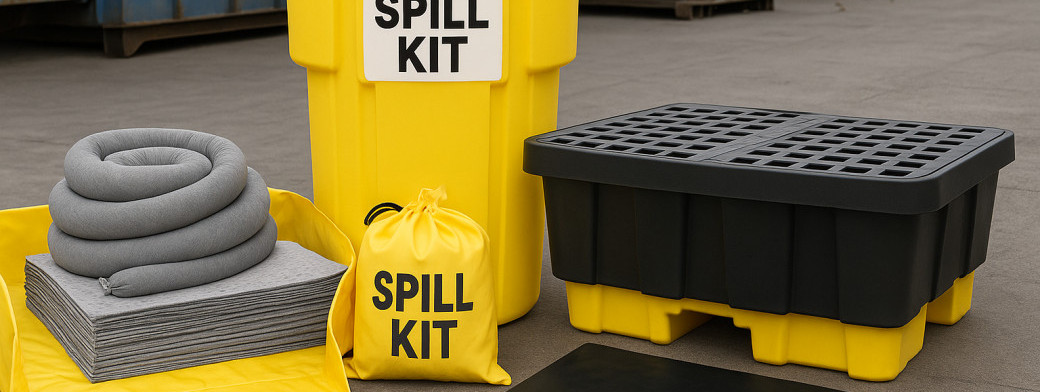
Introduction to Spill Management in Waste & Recycling Facilities
Spill management refers to the systematic approach to preventing, responding to, and mitigating the effects of spills within facilities that handle waste and recycling operations. Effective spill management is crucial in these environments due to the potential hazards associated with the diverse range of materials processed, including mixed liquids from compacted waste and leachate, which can pose serious risks to both human health and the environment.
Waste and recycling facilities operate under strict regulations set forth by the Health and Safety Executive (HSE) and the Environment Agency. These regulations mandate robust spill management practices to ensure that facilities not only comply with legal requirements but also safeguard their employees and surrounding communities. The importance of effective spill management cannot be overstated; it is essential for maintaining operational integrity, protecting the environment, and ensuring the safety of staff and the public.
Operations within waste and recycling facilities often involve handling various hazardous materials, which can lead to spills if not managed properly. The presence of mixed liquids and the potential for leachate require facilities to have comprehensive spill response plans in place. This includes the use of appropriate containment measures, such as robust containment pallets, and ensuring that staff are equipped with personal protective equipment (PPE) to handle spills safely.
For more information on spill management practices, visit Serpro's Spill Management Guide.
Regulatory Framework for Spill Management
Effective spill management in waste and recycling facilities is governed by a variety of regulations and guidelines in the UK to ensure safety and environmental protection. Understanding these regulations is crucial for compliance and best practices.
HSE Regulations
The Health and Safety Executive (HSE) outlines regulations that focus on the health and safety risks associated with waste management and recycling processes. Facilities must identify and mitigate risks from chemical and biological hazards, ensuring that all staff are trained to handle spills safely and effectively. Regular audits and training are essential to comply with HSE standards.
Environment Agency Guidelines
The Environment Agency provides comprehensive guidance on pollution prevention, including the management of leachate and liquid waste spills. Facilities must implement measures to prevent spills from occurring and have clear procedures in place to respond quickly and effectively when they do. This includes the use of robust containment systems and spill kits, such as those found at Serpro.
COSHH Requirements
The Control of Substances Hazardous to Health (COSHH) regulations require that any hazardous substances used or produced in waste facilities are managed appropriately. This includes conducting risk assessments, maintaining Safety Data Sheets (SDS), and ensuring proper storage and disposal methods are followed. Staff must be equipped with the appropriate Personal Protective Equipment (PPE) to safeguard against exposure during spill incidents.
For further detailed guidance, industry professionals can refer to the Chartered Institution of Wastes Management (CIWM), which offers valuable resources on spill and waste handling best practices.
Hazard Mapping in Waste & Recycling Facilities
Hazard mapping is a systematic process used to identify, assess, and prioritise potential risks associated with mixed liquids and leachate in waste and recycling facilities. This process is essential for ensuring compliance with UK regulations set forth by the Health and Safety Executive (HSE) and the Environment Agency.
Identifying Potential Spill Sources
To effectively manage spills, it is crucial to identify potential spill sources within the facility. These may include:
- Storage areas for mixed liquids
- Areas where leachate may accumulate
- Loading and unloading zones for compacted waste
- Equipment that handles hazardous materials
Conducting regular inspections and maintaining accurate records can help in the identification of these sources, allowing for proactive measures to be implemented.
Leachate Control Strategies
Implementing effective leachate control strategies is vital for minimising environmental impact. These strategies may include:
- Installing robust containment systems to prevent leachate escape
- Regular monitoring of leachate levels and quality
- Utilising spill kits to manage any accidental releases
By employing these strategies, facilities can better manage the risks associated with leachate and ensure compliance with environmental regulations.
Spillage Prevention Strategies
Effective spill management is crucial in waste management operations to ensure safety and environmental compliance. Implementing robust spillage prevention strategies can significantly reduce the risk of spills occurring in waste and recycling facilities.
Design of Facilities
The design of waste management facilities plays a vital role in preventing spills. Facilities should be constructed with adequate drainage systems that can effectively manage leachate and other liquid waste. Incorporating containment measures such as bunded areas or spill containment pallets is essential to contain any potential spills, thereby minimising environmental impact.
Use of Containment Measures
Utilising robust containment measures is critical in managing spills. Facilities must ensure that all areas where liquids are handled are equipped with appropriate containment solutions. This includes using spill trays, secondary containment systems, and ensuring that all storage areas for hazardous materials are designed to prevent leaks and spills. Regular checks should be performed to verify the integrity of these systems.
Regular Maintenance Protocols
Establishing regular maintenance protocols is key to preventing spills. Routine inspections should be conducted to identify any wear and tear on containment systems and storage units. Additionally, staff should be trained to recognise potential spill hazards and to maintain equipment properly to prevent leaks. Documentation of maintenance activities is essential for compliance with Environmental Agency regulations and HSE guidelines.
By focusing on the design of facilities, the implementation of effective containment measures, and adhering to regular maintenance protocols, waste management operations can significantly mitigate the risk of spills and ensure compliance with industry regulations.
Importance of Spill Kits and Absorbents
Effective spill management is crucial in waste and recycling facilities, and the use of spill kits and absorbents plays a vital role in this process. Implementing the right types of spill kits can significantly reduce the risks associated with spills, ensuring compliance with regulations set forth by the HSE and the Environment Agency.
Types of Spill Kits
Spill kits are designed to address various types of spills, including:
- Universal Spill Kits: Suitable for general spills, including oils, coolants, solvents, and water-based liquids.
- Oil Spill Kits: Specifically designed for managing oil spills, featuring absorbents that repel water.
- Chemical Spill Kits: Tailored for hazardous materials, these kits contain absorbents that are chemically resistant.
Placement of Spill Kits
Strategic placement of spill kits throughout the facility is essential. Kits should be readily accessible in areas where spills are most likely to occur, such as:
- Near storage areas for hazardous materials
- Loading and unloading bays
- Maintenance areas
This ensures that staff can respond quickly to spills, minimising environmental impact and potential health hazards.
Training Staff on Spill Kit Usage
Proper training is crucial for staff to effectively manage spills using spill kits. Regular training sessions should cover:
- Identifying types of spills and appropriate response actions
- Correct usage of spill kit contents, including absorbents
- Safety protocols and the use of personal protective equipment (PPE)
For further guidance on spill management best practices, refer to the CIWM resources.
Best Practices for Staff Procedures and Training
Effective spill management in waste and recycling facilities hinges on comprehensive training and well-defined procedures for staff. Ensuring that employees are well-prepared to handle spills not only promotes safety but also ensures compliance with regulations set forth by the Health and Safety Executive (HSE) and the Environment Agency.
Training Requirements
All staff members must undergo rigorous training that covers the identification of potential spill risks, proper use of Personal Protective Equipment (PPE), and techniques for safe spill response. Regular training sessions should be scheduled to keep staff updated on best practices and any changes in regulations. For specialised training, facilities can refer to Serpro's training programs.
Emergency Response Procedures
Clear emergency response procedures should be established and communicated to all staff. This includes immediate actions to take in the event of a spill, such as notifying the designated spill response team, containing the spill, and reporting to management. Staff should be familiar with the location and use of spill kits and containment materials.
Regular Drills and Assessments
Conducting regular drills and assessments is crucial for ensuring that staff can effectively implement spill response procedures. These drills provide an opportunity to evaluate the effectiveness of training and identify areas for improvement. Facilities should also assess their spill management strategies periodically to ensure compliance with guidelines from the Environment Agency and the Chartered Institution of Wastes Management (CIWM).
Documenting Spills and Response Actions
Effective spill management in waste and recycling facilities hinges on thorough documentation. This not only aids in immediate response but also plays a critical role in long-term compliance and safety.
Incident Reporting Procedures
Establishing clear incident reporting procedures is essential. Every spill incident should be recorded promptly, detailing the nature of the spill, the materials involved, and the response actions taken. This documentation serves as a foundation for evaluating the effectiveness of the response and identifying areas for improvement.
Importance of Evidence Collection
Collecting evidence during and after a spill incident is vital. This includes photographs, witness statements, and samples of the spilled materials. Such evidence not only supports internal reviews but also proves invaluable during inspections by regulatory bodies such as the Environment Agency. Proper evidence collection can also protect the facility from potential liabilities.
Legal Implications of Documentation
Failure to document spills adequately can lead to significant legal implications. Regulatory bodies, including the HSE, require compliance with environmental and health regulations. Inadequate documentation may result in fines, sanctions, or other legal actions. Therefore, maintaining meticulous records is not just a best practice; it is a legal necessity.
In summary, robust documentation of spills and response actions is fundamental for ensuring safety, compliance, and operational efficiency in waste and recycling facilities.
Spill Management Checklists
Effective spill management is crucial for maintaining safety and compliance within waste and recycling facilities. Below are comprehensive checklists designed to streamline spill management protocols.
Daily Checklist
- Inspect spill containment areas for integrity and cleanliness.
- Check and replenish spill response kits.
- Ensure all staff are aware of spill reporting procedures.
- Monitor for any signs of leaks or spills from compacted waste.
Weekly Checklist
- Review and update spill response procedures as necessary.
- Conduct a detailed inspection of chemical storage areas for compatibility and containment.
- Test leachate control systems to ensure functionality.
- Organise a team briefing to discuss potential spill scenarios and response strategies.
Monthly Checklist
- Conduct a full inventory of spill response equipment and replenish as needed.
- Review training records to ensure all staff have completed spill response training.
- Assess the effectiveness of current spill management practices and identify areas for improvement.
Emergency Response Checklist
- Immediately assess the situation and ensure personal safety.
- Activate the emergency response team and inform relevant authorities.
- Contain the spill using appropriate materials and equipment.
- Document the spill incident and response actions.
Training Checklist
- Ensure all staff receive training on spill management protocols upon hiring.
- Conduct regular refresher training sessions to reinforce knowledge.
- Include training on the use of PPE and spill response equipment.
- Utilise resources from the Chartered Institution of Wastes Management for best practices.
For more detailed checklists related to spill management, visit Serpro's checklist resource.
Case Study: Real-World Application of Spill Management
Overview of the Facility
The case study focuses on a mid-sized waste management facility located in the Midlands, UK. This facility processes a variety of waste streams, including municipal solid waste, commercial waste, and recyclables. The plant operates under strict compliance with the Health and Safety Executive (HSE) regulations and the Environment Agency's guidance on waste facility pollution prevention.
Incident Description
During a routine operation, a leak occurred in a storage tank containing mixed liquids from compacted waste. This incident resulted in a small spill of leachate on the facility floor. Quick action was taken by the staff, who immediately implemented the emergency spill response plan. The team used absorbent materials to contain the spill and prevent it from spreading, while also wearing appropriate personal protective equipment (PPE) to ensure their safety.
Lessons Learned and Improvements Made
Following the incident, a thorough investigation was conducted to identify the root causes. It was determined that the spill could have been prevented with better chemical compatibility assessments and more robust containment pallets. In response, the facility upgraded its spill containment measures, including the installation of new containment pallets that exceeded regulatory requirements. Additionally, staff training was enhanced to ensure rapid segregation of unknown fluids, improving overall safety and compliance. This incident highlighted the importance of ongoing training and proactive measures in spill management. For more information on spill management best practices, visit Serpro’s case studies.
Frequently Asked Questions about Spill Management
In the realm of spill management within waste and recycling facilities, several common misconceptions often arise. One prevalent belief is that all spills can be managed in a similar manner regardless of the substances involved. However, each type of liquid presents unique challenges, particularly when considering chemical and biological hazards that may be present.
Clarifications on Regulations
Many facility operators are unclear about the specific regulations that govern spill management. Compliance with the Environmental Permitting Regulations is crucial, as these outline the necessary measures for managing spills, including the handling of leachate and liquid waste. Additionally, adherence to HSE guidelines ensures the safety of personnel and the environment.
Best Practices
To effectively manage spills, it is essential to implement best practices such as:
- Utilising robust containment pallets to prevent overflow and minimise environmental impact.
- Ensuring staff are equipped with appropriate PPE to protect against hazardous materials.
- Rapid segregation of unknown fluids to mitigate risks and ensure safety.
For more detailed information, consider visiting our FAQs page for additional resources and guidance.
Conclusion: Key Takeaways for Effective Spill Management
In summary, effective spill management in waste and recycling facilities hinges on implementing best practices that prioritise safety and compliance. Key strategies include maintaining robust containment systems, such as containment pallets, to prevent leaks and spills, and ensuring the proper handling of mixed liquids and leachate to mitigate environmental impact.
Compliance with regulations set forth by the HSE and the Environment Agency is paramount. Facilities must regularly review their procedures and stay updated on legal requirements to avoid penalties and ensure the safety of staff and the environment.
Moreover, ongoing training and education for employees about spill response, chemical compatibility, and the importance of rapid segregation of unknown fluids can significantly enhance workplace safety. Encouraging a culture of safety and compliance will not only protect workers but also contribute to the overall sustainability of waste management practices.