
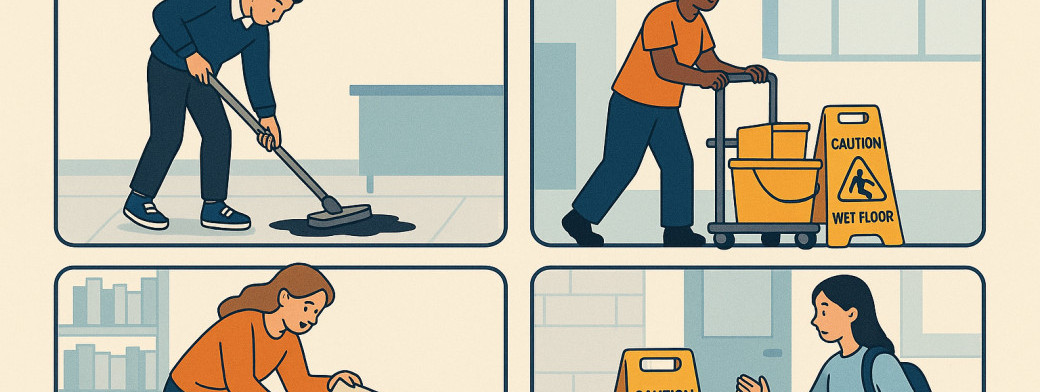
Overview of Spill Management in Education
Spill management refers to the processes and protocols implemented to prevent, respond to, and mitigate spills of hazardous substances in educational settings. This includes not only chemical spills in science laboratories but also leaks of cleaning materials in workshops and sports facilities. Effective spill management is essential to ensure the safety of students, staff, and the surrounding environment.
Compliance with key regulations such as the Health and Safety Executive (HSE), the Environment Agency, and the Control of Substances Hazardous to Health (COSHH) is crucial in managing spills effectively. These regulations provide guidelines on the safe handling, storage, and disposal of hazardous materials, ensuring that educational institutions maintain a safe environment for learning and development.
Neglecting proper spill management can lead to severe consequences, including health risks to students and staff, potential legal ramifications, and environmental damage. Inadequate training and lack of appropriate spill response resources can exacerbate these risks, highlighting the necessity for comprehensive spill management plans and regular training for all personnel.
For more information on spill kits and their importance in spill management, visit Serpro.
Common Spill Scenarios in Science Labs and Workshops
Educational institutions, particularly science labs and workshops, often handle various chemicals and materials that can pose risks if spilled. Understanding common spill scenarios is crucial for effective spill management and ensuring safety in these environments.
Types of Chemicals Commonly Used in Labs
Science labs typically utilise a range of chemicals, including:
- Acids (e.g., hydrochloric acid, sulfuric acid)
- Solvents (e.g., ethanol, acetone)
- Biological materials (e.g., cultures, reagents)
- Hazardous substances (e.g., heavy metals, radioactive materials)
These chemicals can be harmful if they come into contact with skin, are inhaled, or contaminate surfaces.
Potential Risks Associated with Spills
Spills can result in various health and safety risks, including:
- Chemical burns from corrosive substances
- Inhalation of toxic fumes
- Environmental contamination
- Slip hazards leading to physical injuries
It is essential to have appropriate spill management protocols in place, as outlined by the Health and Safety Executive (HSE) and CLEAPSS.
Examples of Spills in Workshops
Workshops may also face unique spill scenarios, such as:
- Oil or lubricants spilling during machinery maintenance
- Adhesives leaking from containers
- Paint spills during arts and crafts activities
Each of these spills requires specific management strategies to mitigate risks and ensure safety. Institutions should refer to the Environment Agency's guidance on chemical waste disposal to handle these incidents properly.
For comprehensive spill clean-up solutions, consider using absorbents designed for educational settings.
Handling Cleaning Chemicals Safely
In educational institutions, the safe handling of cleaning chemicals is crucial to ensure the health and safety of students and staff. Compliance with COSHH regulations is essential, as these regulations require that all hazardous substances are assessed for risk and managed accordingly.
Best Practices for Storing and Using Cleaning Chemicals
To mitigate risks associated with cleaning chemicals, educational institutions should adopt the following best practices:
- Store cleaning chemicals in a designated area that is well-ventilated, secure, and inaccessible to students.
- Ensure that all containers are clearly labelled with the contents and hazard information, in accordance with HSE guidelines.
- Provide staff with appropriate personal protective equipment (PPE) such as gloves and goggles when handling cleaning chemicals.
- Follow the manufacturer's instructions for dilution and usage, and avoid mixing different cleaning chemicals.
Emergency Procedures for Chemical Spills
In the event of a chemical spill, it is vital to have clear emergency procedures in place:
- Immediately alert staff and evacuate the area if necessary.
- Utilise spill kits, such as those available from Serpro, to contain and clean up minor spills safely.
- For larger spills, contact emergency services and follow the guidance from the Environment Agency regarding chemical waste disposal.
- Document the incident and review procedures to prevent future occurrences.
Managing Sports Facility Fluids
Sports facilities are vibrant hubs of activity, but they can also become hazardous environments if spills are not managed effectively. Common fluids encountered in these settings include oils from maintenance equipment, sweat from athletes, and cleaning solutions used for upkeep. Each of these substances presents unique challenges and health risks that must be addressed promptly.
Types of Fluids Commonly Encountered
The primary types of fluids that might be spilled in sports facilities include:
- Oils: Used in equipment maintenance, which can create slippery surfaces.
- Water: From hydration stations or during cleaning processes, posing a slip hazard.
- Sweat: Accumulated during sports activities, which can also create slippery conditions.
- Cleaning Chemicals: Used for sanitising surfaces, which may be hazardous if not handled properly.
Health Risks Associated with These Spills
Spills involving oils and cleaning chemicals can lead to serious health risks, including:
- Slip and fall accidents, which are common in sports facilities.
- Skin irritations or allergic reactions from contact with cleaning chemicals.
- Respiratory issues from inhalation of vapours from certain chemicals.
Preventive Measures and Response Actions
To effectively manage spills in sports facilities, educational institutions should implement the following best practices:
- Regular training for staff and students on spill prevention and management.
- Availability of appropriate spill kits to address incidents quickly.
- Clear signage to inform individuals of potential hazards.
- Establishing a spill response protocol, including immediate notification of health and safety officers.
- Regular audits of cleaning practices to ensure compliance with HSE guidelines and Environment Agency regulations.
Age-Appropriate Training and Responsibilities
Effective spill management in educational institutions hinges on comprehensive training tailored to the age and maturity of both students and staff. It is essential to equip everyone with the knowledge and skills necessary to handle spills safely and efficiently, ensuring compliance with regulations set forth by bodies such as the Health and Safety Executive (HSE).
Training Requirements for Different Age Groups
Training should be age-appropriate, with younger students receiving basic awareness training about the risks of spills and the importance of reporting incidents. For example, primary school pupils can learn to notify a teacher if they see a spill, while secondary school students can be taught more detailed procedures for handling non-hazardous materials under supervision. In contrast, college students engaged in science labs should receive in-depth training on the safe handling of chemicals, including emergency response protocols for spills involving hazardous substances.
Roles of Staff and Students in Spill Management
Staff members play a crucial role in spill management by setting up protocols, conducting training sessions, and being the first responders to any incidents. They must be familiar with the Environment Agency’s guidance on chemical waste disposal to ensure proper procedures are followed. Students, on the other hand, should understand their responsibilities in maintaining a safe environment, including reporting spills immediately and adhering to safety guidelines when using cleaning products or engaging in practical activities.
Methods for Effective Training Delivery
Training can be delivered through various methods, including interactive workshops, e-learning modules, and hands-on practical sessions. Incorporating real-life scenarios and simulations can enhance learning outcomes, making students more prepared to handle spills. Additionally, regular refresher courses can help reinforce knowledge and adapt to any changes in regulations or best practices.
By prioritising age-appropriate training and clearly defining roles, educational institutions can foster a culture of safety that empowers both staff and students to manage spills effectively. For further resources on absorbents and spill kits, visit Serpro.
Creating Simple Checklists for Spill Response
Effective spill management in educational institutions begins with well-structured response checklists. These checklists serve as a quick reference for staff and students during an emergency, ensuring that all necessary actions are taken swiftly and safely.
Key Components of a Spill Response Checklist
- Identification of the Spill: Clearly state what substances are involved and assess the potential risks.
- Personal Protective Equipment (PPE): List required PPE such as gloves, goggles, and aprons.
- Containment Procedures: Steps to contain the spill, including barriers and absorbents.
- Notification Protocol: Who to inform (e.g., site supervisor, emergency services) and how.
- Cleaning Procedures: Safe methods for cleaning up the spill according to COSHH guidelines.
- Disposal Methods: Reference to the Environment Agency’s guidance on hazardous waste disposal.
Tailoring Checklists for Different Scenarios
Checklists should be tailored to specific environments such as science labs, workshops, and sports facilities. For instance, a science lab checklist may focus more on chemical spills, while a sports facility checklist may address biohazardous spills like bodily fluids. By customizing these checklists, institutions can ensure that they are relevant and effective across various situations.
Importance of Regular Review and Updates
Regularly reviewing and updating spill response checklists is crucial to maintaining safety standards. Changes in regulations, new substances, or updated safety protocols necessitate frequent revisions. Engaging staff and students in this review process can enhance their understanding and preparedness. For further resources on spill kits and management, visit Serpro's spill kits page.
Reporting Procedures and Documentation
Effective spill management in educational institutions is crucial not only for safety but also for compliance with UK regulations. Proper documentation plays a vital role in ensuring that all incidents are recorded, assessed, and addressed in accordance with the guidelines set by the Health and Safety Executive (HSE), the Environment Agency, and the Control of Substances Hazardous to Health (COSHH).
Steps for Reporting a Spill
- Immediately assess the situation to determine the severity of the spill.
- Notify the designated safety officer or responsible staff member without delay.
- Complete a spill report form, documenting key details such as the type of substance, quantity, location, and time of the incident.
- Ensure all witnesses to the incident provide their accounts, which should also be included in the documentation.
- Submit the report to the relevant authorities within the institution for further investigation.
Follow-up Actions After a Spill Incident
Post-incident, it is essential to take follow-up actions to prevent future occurrences. This includes:
- Reviewing the incident report with staff to identify any lapses in procedures or training.
- Implementing corrective actions based on the findings, which may include updating training for staff and students.
- Maintaining a log of all spill incidents to analyse trends and improve safety protocols.
- Consulting the Environment Agency for guidance on the proper disposal of hazardous waste from spills.