
Published: 24 March 2026
Last updated: 17 March 2026
How Can We Prevent Slips from Spills in Schools and Community Sports Halls?
Preventing slips from spills in schools and community sports halls is crucial for ensuring the safety of students, athletes, and staff. A spill refers to any unintentional release of materials, which can include liquids like water or juice, and food items such as snacks or sauces. These spills can create hazardous conditions that increase the risk of slips and falls, leading to potential injuries and liability issues.
To effectively manage spills, it is essential to have rapid response protocols in place, as well as compliance with UK regulations regarding health and safety. According to the Health and Safety Executive (HSE), quick action can significantly reduce the likelihood of accidents. Additionally, the proper use of spill control products, such as absorbent mats and signage, can help mitigate risks. Schools and community sports halls must also adhere to the HSE's guidelines on preventing slips and trips, which highlight the importance of maintaining a clean and safe environment.
What Are the Key Steps for Rapid Spill Response?
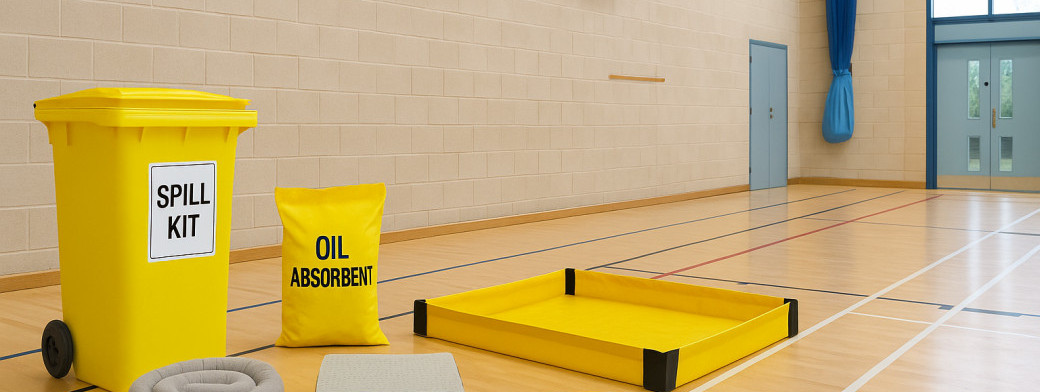
Rapid spill response is crucial in schools and community sports halls to prevent slips and trips, which can lead to serious injuries. Common spill types include liquids from sports drinks, water, and cleaning agents, all of which require immediate attention. Effective spill-control products, such as absorbent mats and spill kits, can help contain these hazards quickly. Adhering to UK compliance guidelines, such as those from the HSE, ensures that facilities maintain a safe environment for students and patrons.
The first step after a spill occurs is to assess the situation. Ensure the area is safe and, if necessary, cordon off the affected zone to prevent access. Next, notify staff trained in spill management, as they will have the necessary knowledge to handle the situation effectively. Training is vital; it equips staff with the skills to respond promptly, using appropriate techniques and tools, which significantly reduces the risk of accidents.
Once the area is secured, the spill should be cleaned up using the correct procedures and materials. This may involve using absorbents and ensuring that the area is thoroughly dried to prevent further slips. It’s also essential to follow COSHH guidelines for safely managing cleaning chemicals, ensuring they are stored correctly when not in use.
Establishing emergency contact protocols is another critical element of spill response. Staff should know who to contact in case of a major spill or if additional assistance is required. Having a clear communication plan, as outlined in the emergency procedures, can streamline the response process and ensure everyone knows their role in maintaining safety.
Why Is Effective Signage Crucial in Spill Management?
Effective signage plays a vital role in informing and protecting individuals from slip hazards in schools and community sports halls. When spills occur, they can create dangerous conditions that lead to slips and falls, making it essential to have clear and visible signage to alert users to the hazard. Common spill types in these environments include water, cleaning solutions, and food or beverage spills, all of which require immediate attention and proper containment measures.
Types of Signage Needed
Different types of signage are necessary for effective spill management. Warning signs, such as "Caution: Wet Floor" or "Spill in Progress," should be used to alert individuals to potential hazards. Additionally, informational signs detailing the proper procedures for reporting and cleaning spills can help ensure that the response is timely and effective. For more comprehensive signage solutions, consider visiting Serpro Signage Solutions.
Placement Strategies for Maximum Visibility
To maximise visibility, signage should be placed strategically where spills are most likely to occur, such as near entrances, restrooms, and food service areas. Signs should be positioned at eye level and in well-lit areas to ensure they catch the attention of individuals passing by. Using bright colours and clear symbols can further enhance visibility and comprehension.
Legal Requirements for Signage in Public Areas
In the UK, there are legal requirements for signage in public areas, particularly under health and safety regulations. According to the HSE guidelines on slips and trips, employers and facility managers have a duty to inform users about potential hazards, including spills. Compliance with these regulations not only protects individuals but also reduces liability for institutions.
By implementing effective signage strategies, schools and community sports halls can significantly reduce the risk of slip incidents and enhance overall safety for all users.
How Should Cleaning Chemicals Be Stored to Ensure Safety?
Ensuring the safe storage of cleaning chemicals in schools and community sports halls is essential to prevent accidental spills that can lead to slip incidents. Common spill types include liquid cleaning agents, disinfectants, and other hazardous materials. To effectively manage these risks, it is crucial to adhere to COSHH (Control of Substances Hazardous to Health) regulations, which provide guidelines for the safe handling and storage of such substances.
Storage Solutions for Cleaning Materials
Cleaning chemicals should be stored in a designated, secure area away from general traffic to minimize the risk of spills. Ideally, this storage area should be well-ventilated, dry, and equipped with spill containment measures, such as trays to catch leaks. It is also advisable to use locked cabinets for hazardous substances, ensuring only trained personnel have access. Regular inspections of the storage area can help identify any potential hazards before they result in spills.
Labeling and Safety Data Sheets
Proper labeling of all cleaning chemicals is vital for safety. Each container should clearly display its contents and appropriate hazard symbols. Additionally, safety data sheets (SDS) for each chemical must be easily accessible to staff. These documents provide essential information about the chemical’s properties, handling instructions, and emergency measures in case of a spill. Familiarity with these documents can significantly enhance safety protocols in schools and community sports halls.
For a comprehensive range of cleaning products that comply with safety regulations, visit Serpro.
What Simple Inspection Routines Can Help Reduce Slip Incidents?
Implementing simple inspection routines in schools and community sports halls is essential for identifying and mitigating slip risks. Regular inspections can significantly reduce the likelihood of accidents caused by spills, which often include water, sports drinks, and cleaning agents. By establishing a consistent inspection schedule and using a detailed checklist, facilities can ensure that areas prone to spills are monitored effectively, and any necessary corrective actions are taken promptly.
Frequency of Inspections
Inspections should be conducted at least daily, particularly in high-traffic areas such as entry points, corridors, and sports halls. During events or after cleaning, additional inspections may be necessary to ensure that spills are promptly identified and addressed. By maintaining a routine, staff can cultivate a proactive approach to spill management.
Checklist for Assessing Spill Risk Areas
- Identify and mark high-risk areas where spills are likely to occur, such as near water fountains, sports equipment storage, and restrooms.
- Check for any visible spills or leaks on the floor.
- Ensure that cleaning supplies are properly stored and accessible only to trained personnel.
- Evaluate the condition of floor surfaces; look for wear and tear that may contribute to slip risks.
- Confirm that appropriate signage is displayed in areas where spills are likely.
Documentation and Follow-Up Procedures
After each inspection, it is crucial to document findings using a standardised form. This documentation should include the date, time, areas inspected, and any identified hazards. Follow-up procedures should be established to address any issues found during inspections, ensuring they are resolved in a timely manner. Regular review of inspection records can help identify patterns or recurring issues, allowing for targeted interventions that enhance safety.
For further resources on inspection tools, please visit Serpro Inspection Tools. For more information on preventing slips and trips, consult the HSE Slips and Trips guidelines and the HSE INDG225 document.
What Are the Benefits of a Comprehensive Spill Management Plan?
A comprehensive spill management plan in schools and community sports halls is essential for reducing slip incidents, enhancing safety culture, and ensuring compliance with health and safety regulations. By proactively addressing spills from common sources such as drinks, cleaning materials, and sports equipment, institutions can significantly mitigate risks associated with slips and trips.
One of the primary benefits of implementing a spill management plan is the reduction in slip incidents. Effective spill response mechanisms, such as immediate clean-up protocols and proper use of spill control products, can prevent accidents that lead to injuries. This not only protects the well-being of students and visitors but also reduces potential liability for the institution.
Additionally, fostering an enhanced safety culture within the school or community sports hall is crucial. When staff and students are trained on spill management strategies, it creates an environment where safety is prioritised. Regular training sessions and clear communication about spill procedures can empower everyone to take responsibility for maintaining safe spaces.
Lastly, having a robust spill management plan aligns with health and safety regulations, ensuring that institutions comply with legal requirements. This includes proper storage of cleaning chemicals under the Control of Substances Hazardous to Health (COSHH) guidelines, which is crucial for managing exposure and preventing chemical-related incidents.
In summary, the long-term advantages of a spill management plan extend beyond immediate safety; they contribute to a culture of responsibility and compliance that benefits everyone involved.