
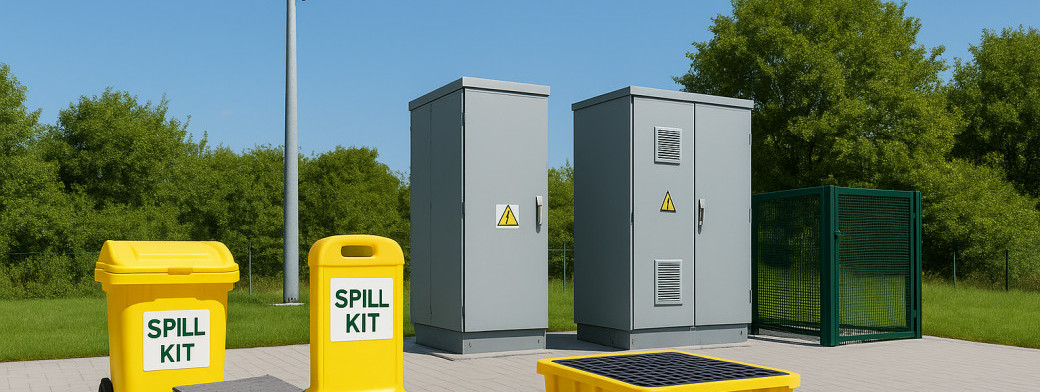
Importance of Spill Control in Telecoms
Effective spill management practices are essential at telecoms sites, especially those that utilise backup generators. The potential environmental impacts from fuel spills can be significant, including soil and water contamination, which can lead to long-term ecological damage. These incidents not only harm local wildlife but can also affect the health of communities living nearby. For further guidance on pollution prevention, refer to the UK Government's pollution prevention guidance.
Legal Implications and Regulatory Requirements
Telecoms companies must adhere to strict legal obligations concerning spill control. The Oil Storage Regulations stipulate how fuel must be stored and managed to prevent spills. Non-compliance can lead to severe fines and legal repercussions, which can be detrimental to a company's financial standing and operational capabilities. Understanding these regulations is crucial for ensuring that sites are compliant and that risks are mitigated effectively.
Protecting Company Reputation
In addition to the environmental and legal implications, effective spill control plays a vital role in safeguarding a company's reputation. A single spill incident can lead to negative publicity, damaging customer trust and stakeholder confidence. By implementing robust spill management practices, telecoms can demonstrate their commitment to environmental sustainability and corporate responsibility, thereby enhancing their public image. For more information on environmental compliance, visit Serpro's environmental compliance page.
In conclusion, the integration of comprehensive spill management strategies is not only a regulatory requirement but also a critical aspect of operational integrity and corporate reputation within the telecoms sector.
Fuel Handling Best Practices
Effective fuel handling is essential for minimising the risk of spills at telecoms sites with backup generators. Implementing best practices in this area not only protects the environment but also ensures compliance with regulatory standards.
Proper Training for Staff
All staff involved in fuel handling should undergo comprehensive training to understand the risks associated with fuel storage and transfer. This training should cover safe handling techniques, emergency response procedures, and the importance of spill prevention measures. For more information on training services, visit Serpro Training Services.
Use of Appropriate Personal Protective Equipment (PPE)
Personnel handling fuel must wear appropriate personal protective equipment (PPE) to protect themselves from potential hazards. This includes gloves, goggles, and protective clothing to prevent skin contact and inhalation of fumes. Regular checks should be conducted to ensure that PPE is in good condition and suitable for the tasks being performed.
Regular Maintenance and Inspection of Fuel Storage Systems
To prevent spills, it is crucial to conduct regular maintenance and inspections of fuel storage systems. This includes checking for leaks, corrosion, and ensuring that all valves and fittings are secure. Following guidelines provided by the GOV.UK guidance on storing oil can help ensure compliance with legal requirements and best practices.
In addition, it is advisable to implement a routine schedule for inspecting and testing equipment, which can help identify potential issues before they result in a spill. For more detailed information on spill prevention and pollution management, refer to the GOV.UK guidance on pollution prevention.
By adhering to these best practices in fuel handling, telecoms sites can significantly reduce the risk of spills, ensuring a safer working environment and protecting the surrounding ecosystem.
Drip Trays and Bunding Expectations
Effective spill management is crucial for telecom sites that rely on backup generators, particularly when it comes to fuel handling. Two essential components in preventing spills and managing fuel storage are drip trays and bunding.
What are Drip Trays?
Drip trays are containers designed to catch any spills or leaks from fuel storage systems, particularly around generators. Their primary purpose is to contain small volumes of fuel that may escape during refuelling or from equipment leaks. By capturing these spills, drip trays help prevent hazardous materials from contaminating the surrounding environment and reduce the risk of slips and trips in the vicinity of the generator site.
Bunding Requirements in the UK
According to UK regulations, bunding is a critical requirement for any site that stores oils or fuels. Bunding involves creating a secondary containment structure around fuel storage tanks to prevent spills from escaping into the environment. The UK government guidelines stipulate that bunds must be capable of holding at least 110% of the volume of the largest tank within the bunded area. This ensures that even in the event of a catastrophic failure, any leaks can be contained effectively.
Best Practices for Installation and Maintenance of Bunding
To maximise the effectiveness of bunding, it is essential to follow best practices during installation and maintenance:
- Proper Design: Ensure that bunds are designed to accommodate the specific type of fuel or oil being stored. The materials used must be compatible with the stored substances to avoid degradation.
- Regular Inspections: Conduct routine checks to ensure that bunds remain intact and free from cracks or damage. This includes monitoring for any signs of corrosion or wear.
- Drainage Systems: Install appropriate drainage systems that allow for the safe removal of rainwater or spill residues, while ensuring that contaminants do not escape.
- Compliance with Regulations: Stay updated on local and national regulations regarding bunding and spill prevention to ensure compliance and avoid penalties.
By effectively utilising drip trays and bunding, telecom sites can significantly reduce the risk of spills, protect the environment, and ensure the safety of personnel. For further information on bunding solutions, visit Serpro Bunding Solutions.
Quick Response Steps
In the event of a spill at a telecoms site with backup generators, immediate action is crucial to minimise damage and ensure safety. The following steps outline the essential actions to take:
Initial Assessment of the Spill Situation
Begin by assessing the spill situation. Identify the type of fluid spilled, the volume, and the area affected. Determine whether the spill poses an immediate risk to personnel, the environment, or infrastructure. This initial evaluation will guide your subsequent actions.
Steps to Contain the Spill
Once the spill has been assessed, take the following steps to contain it:
- Isolate the area to prevent unauthorised access and ensure the safety of all personnel.
- Use available spill kits to contain the spill. If you have spill response kits on-site, deploy absorbent materials to surround the spill and prevent further leakage.
- If the spill is significant, consider using barriers or bunding materials to contain the fluid and prevent it from spreading.
- Monitor the situation closely while you implement these measures to ensure containment is effective.
Notification Procedures
After containing the spill, it is essential to notify relevant authorities as per your site’s emergency response plan. This may include:
- Contacting your internal health and safety team.
- Notifying the Environment Agency or local authorities if the spill poses a risk to the environment. Refer to pollution prevention guidance for specific reporting obligations.
- Engaging professional spill response services if necessary, which can be found through local emergency services at Serpro Emergency Services.
For further information on preventing slips and trips around the site, refer to the HSE guidance on slips and trips. By following these quick response steps, you can effectively manage spills and reduce their impact on your telecoms site.
Protecting Drains and Hardstanding Areas
In the telecommunications sector, the management of fuel and oil spills is crucial, especially at sites equipped with backup generators. One of the primary strategies for preventing contamination is ensuring that proper drainage systems are in place. Effective drainage not only directs water away from sensitive areas but also minimizes the risk of spills reaching the drainage system, which can lead to significant environmental harm.
Importance of Proper Drainage Systems
A well-designed drainage system is essential in telecom sites to handle stormwater and prevent contamination from fuel spills. According to GOV.UK guidance, businesses must implement measures to prevent oils and chemicals from entering drains, which can lead to severe environmental repercussions. Regular assessment of drainage systems for blockages or damage is vital to ensure they function effectively.
Use of Absorbent Materials and Barriers
To further protect drains, the use of absorbent materials and physical barriers is highly recommended. Deploying absorbent pads and booms around generator sites can help contain spills before they spread. Barriers such as spill fences can be strategically placed to divert any potential run-off away from drains and hardstanding areas. These materials should be readily available on-site and regularly inspected to ensure their effectiveness.
Regular Inspections and Maintenance Protocols
Implementing a routine inspection and maintenance protocol is crucial for maintaining the integrity of both drainage systems and spill prevention measures. Regular checks should include assessing the condition of the drainage infrastructure, the effectiveness of absorbent materials, and the overall cleanliness of the site. For comprehensive maintenance services, consider exploring professional maintenance options that can provide tailored solutions for your telecom site.
Ultimately, protecting drains and hardstanding areas is not just about compliance; it is about safeguarding the environment and ensuring responsible fuel management. By adhering to best practices in spill prevention and drainage management, telecom sites can significantly reduce the risk of contamination and its associated consequences.