
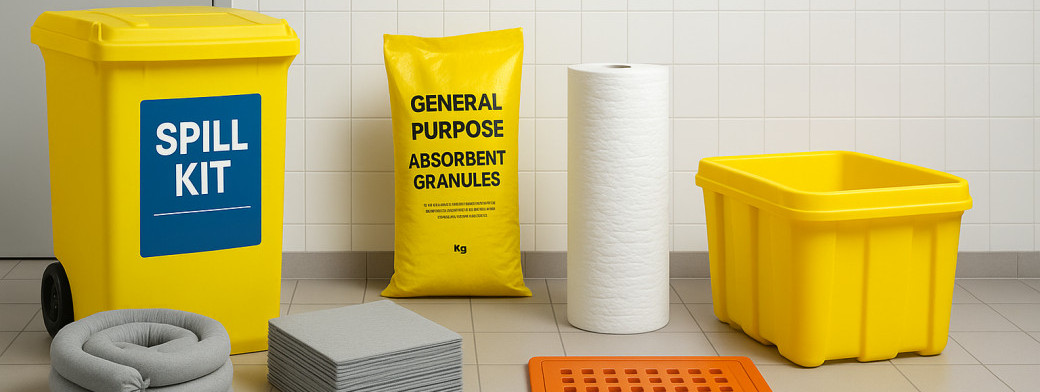
Introduction to Spill Management in Supermarket Backrooms
Spill management refers to the systematic approach taken to prevent, respond to, and mitigate the effects of spills within a designated area. In supermarket backrooms, effective spill management is crucial not only for maintaining a clean and safe environment but also for ensuring compliance with health and safety regulations.
Common Spills in Supermarkets
Back-of-house areas in supermarkets often encounter a variety of spills, including cleaning chemicals, food waste liquids, and other hazardous materials. The use of cleaning chemicals is essential for maintaining hygiene; however, improper handling can lead to dangerous spills. Additionally, spills from food products can attract pests and create slip hazards.
The Importance of Prompt Spill Response
Addressing spills promptly is vital for several reasons. First and foremost, spills can pose a significant risk of slips and trips, which are among the most common causes of accidents in retail settings, as highlighted by the HSE. Quick action can prevent injuries and ensure a safer work environment. Moreover, timely cleanup of hazardous materials is essential to comply with regulations regarding waste disposal and management. Understanding the duty of care for disposal of hazardous waste is outlined by GOV.UK.
In conclusion, effective spill management in supermarket backrooms is essential for ensuring safety, compliance, and operational efficiency. Implementing robust spill response strategies can significantly mitigate risks associated with spills.
Conducting a Risk Assessment
Conducting a thorough risk assessment is crucial for identifying potential spill risks in supermarket back-of-house areas. This proactive approach not only safeguards employees but also ensures compliance with health and safety regulations.
Identifying High-Risk Areas
Begin by pinpointing locations within the backroom that are susceptible to spills. Common high-risk areas include:
- Storage zones for cleaning chemicals and hazardous materials
- Food preparation areas where liquids are used
- Loading docks where deliveries are made
- Restroom facilities
Regularly inspect these areas for any signs of wear and tear that could lead to spills, such as damaged containers or inadequate drainage systems.
Evaluating Types of Spills
Once high-risk areas are identified, evaluate the types of spills that may occur. Consider the following:
- Cleaning Chemicals: Assess the risks associated with various cleaning products used in the store. Refer to the HSE COSHH guidelines for information on managing exposure and controls.
- Waste Liquids: Evaluate potential spills from waste disposal, especially in areas where hazardous waste is stored. Adhering to the government guidelines on hazardous waste disposal is essential.
- Food and Beverage Spills: Consider the likelihood of spills from broken containers or accidents during restocking.
Implementing Preventive Measures
After identifying risks and evaluating potential spills, implement preventive measures to mitigate these hazards. Some effective strategies include:
- Training staff on proper handling and storage of cleaning chemicals and hazardous materials.
- Using spill kits located in high-risk areas to facilitate quick response to spills.
- Regularly reviewing and updating your risk assessment tools to adapt to new challenges.
- Employing slip prevention strategies, such as maintaining dry floors and using anti-slip mats.
By diligently conducting risk assessments and implementing preventive measures, supermarkets can significantly reduce the likelihood of spills and enhance workplace safety.
Establishing Cleaning Routines
Effective cleaning routines are crucial in minimising spill risks in supermarket back-of-house areas. Regular and systematic cleaning not only helps maintain a safe environment but also ensures compliance with health and safety regulations.
Frequency of Cleaning
Cleaning routines should be established based on the specific needs of the backroom environment. Daily cleaning of high-traffic areas is essential to prevent the accumulation of spills and debris. Additionally, a thorough weekly deep clean should be scheduled to address less visible areas and ensure that all surfaces are free from potential hazards. Special attention should be given after any spills or incidents to immediately mitigate risks.
Types of Cleaning Chemicals
When selecting cleaning chemicals, it's important to choose products that are effective yet safe for use in retail environments. Commercial cleaning supplies should include eco-friendly options that comply with regulations. Always refer to the HSE guidelines on COSHH (Control of Substances Hazardous to Health) to ensure that the chemicals used are appropriate and that staff are trained in their safe usage. Commonly used chemicals include:
- All-purpose cleaners for general surfaces
- Degreasers for kitchen and food preparation areas
- Disinfectants to eliminate pathogens on surfaces
Safe Handling Practices
To safely handle cleaning chemicals, staff should be trained in proper procedures, including:
- Wearing appropriate personal protective equipment (PPE) such as gloves and goggles
- Following the manufacturer's instructions for dilution and application
- Storing cleaning chemicals securely to prevent accidental spills or misuse
In addition, any hazardous waste generated during cleaning must be disposed of according to regulations. Refer to the GOV.UK guidelines on hazardous waste disposal to ensure compliance with duty of care.
By establishing a robust cleaning routine, using the right cleaning chemicals, and implementing safe handling practices, supermarkets can significantly reduce the risk of spills in their back-of-house areas.
Strategic Placement of Spill Kits
In the bustling environment of supermarket backrooms, the risk of spills and leaks from cleaning chemicals and other liquids is ever-present. To mitigate these risks, the strategic placement of spill kits is essential. Ensuring that these kits are easily accessible can make a significant difference in response times and overall safety.
Optimal Locations for Spill Kits
Spill kits should be placed in high-risk areas where spills are most likely to occur. Common locations include:
- Near cleaning supply storage areas, where cleaning chemicals are kept.
- Adjacent to waste disposal sites, particularly if hazardous waste is handled.
- At entrances to backrooms and stock areas, to quickly address any spills from customers or staff.
By positioning spill kits in these strategic locations, staff can respond swiftly to incidents, thereby reducing the likelihood of slip and trip accidents. For more information on preventing slips and trips in retail, refer to the HSE guidance.
Types of Spill Kits
Different types of spill kits are designed for specific scenarios. Retail backrooms should be equipped with:
- General-purpose spill kits: Suitable for absorbing non-hazardous liquids.
- Chemical spill kits: Designed specifically for managing spills of hazardous cleaning chemicals.
- Oil spill kits: Useful if any oils or petroleum products are present.
Selecting the appropriate kit for the types of materials handled in the backroom is crucial for effective spill management.
Regular Inspection and Maintenance
To ensure spill kits are always ready for use, regular inspection and maintenance are vital. Staff should check the kits:
- Monthly, to ensure all components are intact and undamaged.
- After any spill incident, to replenish used materials.
By maintaining spill kits diligently, supermarkets can uphold safety standards and comply with COSHH regulations, which govern the management of hazardous substances.
Staff Training and Awareness
In retail backrooms, effective spill management hinges significantly on staff training and awareness. Ensuring that employees are well-versed in spill management procedures not only safeguards their health and safety but also protects customers and the overall integrity of the retail environment.
Training Programs
Implementing comprehensive training programs is vital. These programs should cover the correct handling and storage of cleaning chemicals and waste liquids, as well as the immediate response required in the event of a spill. Staff should be trained to identify potential hazards associated with various cleaning substances, as outlined by the HSE COSHH guidelines, which provide essential information on managing exposure to harmful substances.
Emergency Response Procedures
In addition to general training, it is crucial for staff to be familiar with specific emergency response procedures. Employees should know how to quickly and effectively contain a spill, which materials to use for clean-up, and the proper methods for disposing of hazardous waste. Adhering to the duty of care for disposal of hazardous waste is paramount, ensuring that all contaminated materials are handled following legal guidelines.
Regular Refresher Courses
To maintain a high standard of safety, regular refresher courses should be conducted. These sessions serve to reinforce knowledge and update staff on any new procedures or regulations. Continual education helps to keep spill management at the forefront of employee responsibilities, thereby reducing the likelihood of accidents and enhancing overall workplace safety. Regular training also aligns with the recommendations from the HSE regarding the prevention of slips and trips, which are common in retail backrooms.
By prioritising training and awareness, retail managers can create a proactive culture around spill management, ultimately leading to a safer work environment for all.
Compliant Disposal Methods for Waste Liquids
In the retail environment, managing waste liquids, particularly hazardous waste, is critical for ensuring a safe and compliant operation. Retailers have legal obligations to dispose of hazardous waste responsibly, following guidelines set forth by the government and relevant health and safety authorities.
Legal Obligations
Under UK law, businesses are required to comply with the Duty of Care for hazardous waste. This includes ensuring that waste is stored safely, transported by a licensed carrier, and disposed of at an appropriately licensed facility. Non-compliance can result in significant fines and legal repercussions, making it essential for retailers to understand their responsibilities.
Types of Hazardous Waste
Hazardous waste can take many forms, including:
- Cleaning Chemicals: Many retail cleaning products contain harmful substances that can pose risks to health and the environment if not disposed of correctly.
- Oils and Fuels: Waste oils from machinery or spills can be toxic and must be collected and disposed of according to regulations.
- Contaminated Packaging: Any packaging that has been in contact with hazardous substances should be treated as hazardous waste.
Best Practices for Disposal
To ensure compliant disposal of hazardous waste, retailers should adopt the following best practices:
- Identify and Classify: Regularly assess the types of waste produced in the backroom and classify them according to hazardous waste categories.
- Store Safely: Use clearly labelled containers for hazardous waste, ensuring they are secure and away from general waste to prevent accidental contamination.
- Engage Licensed Contractors: Partner with licensed waste disposal companies that can handle hazardous waste appropriately and provide documentation of disposal.
- Training and Awareness: Ensure that all staff are trained in the proper handling and disposal of hazardous waste, reinforcing the importance of compliance.
For more detailed information on hazardous waste management, retailers can refer to resources provided by Serpro and the HSE.
Slip Prevention Strategies
In retail backrooms, managing spills effectively is crucial not only for maintaining a clean environment but also for ensuring the safety of employees. Slip and fall incidents can lead to significant injuries and financial losses, making it essential to implement robust slip prevention strategies.
Flooring Materials
The choice of flooring materials plays a vital role in slip prevention. Non-slip surfaces, such as textured vinyl or treated concrete, can significantly reduce the risk of slips, especially in areas prone to spills. Regularly assessing the condition of these surfaces and replacing worn or damaged flooring can further enhance safety. Additionally, using mats in high-traffic areas, particularly where wet cleaning occurs, can provide extra grip and absorb excess moisture.
Signage and Barriers
Effective communication is key to preventing accidents. Clearly visible signage indicating wet floors and potential hazards should be placed immediately following a spill. This warning allows employees to take caution before entering the area. Temporary barriers can also be used to cordon off affected zones until they are cleaned and safe for access. For more comprehensive guidelines on signage, visit Serpro's slip prevention page.
Regular Maintenance
Establishing a routine maintenance schedule is essential for minimising spill risks. This includes regular inspections of flooring and cleaning equipment to ensure they are functioning correctly. Training staff on proper spill response procedures can also enhance safety; they should know how to quickly and effectively clean up spills to prevent prolonged exposure. Furthermore, adhering to guidelines set out by the HSE regarding cleaning chemicals can help mitigate risks associated with hazardous substances.
By prioritising these strategies, retail backrooms can become safer environments, significantly reducing the likelihood of slips and falls.
Conclusion and Key Takeaways
Effective spill management in supermarket back-of-house areas is not just about compliance; it’s crucial for ensuring the safety of employees and customers alike. Throughout this article, we have highlighted the importance of understanding cleaning chemicals, managing waste liquids, and implementing slip prevention strategies. By prioritising these aspects, retailers can significantly reduce the risks associated with spills.
Continuous improvement is essential in maintaining a safe environment. Regular training for staff on spill response protocols, safe handling of cleaning chemicals, and proper disposal techniques can lead to a culture of safety and awareness. As outlined in the HSE COSHH guidelines, managing exposure to hazardous substances is a shared responsibility, and ongoing education can empower employees to take proactive measures.
Moreover, ensuring proper waste disposal is vital. Retailers must adhere to their duty of care for hazardous waste to prevent environmental contamination and uphold public health standards. Regular audits and reviews of spill management practices can help identify areas for improvement and reinforce the importance of safety protocols.
We encourage all retailers to take action now by implementing the strategies discussed in this article. For more detailed information on effective spill management, consider visiting Serpro’s spill management resources. Together, we can create safer, more efficient backroom operations that protect both staff and customers.