
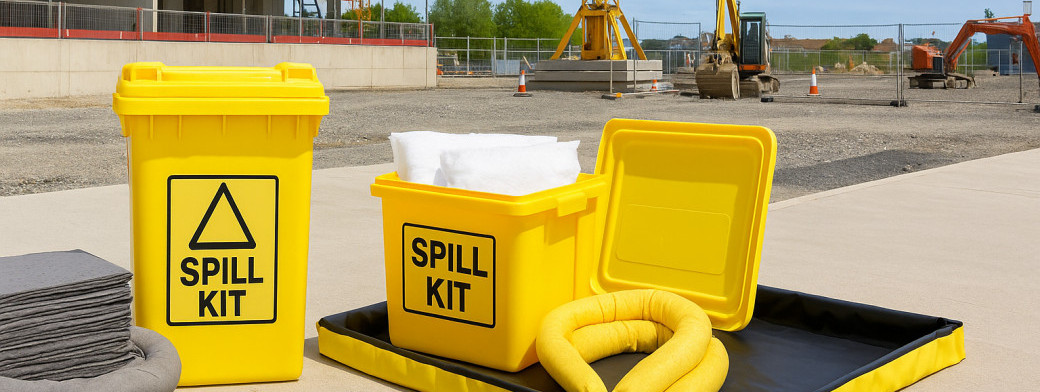
Understanding Concrete Washout and High-pH Spills
Concrete washout refers to the liquid waste produced during the cleaning of tools, equipment, and containers used in concrete work. This washout typically contains high levels of alkaline substances due to the cement and other additives used in concrete, which can significantly raise the pH of the water. If not managed properly, concrete washout can lead to severe environmental issues, including soil and water contamination.
Sources of High-pH Spills
High-pH spills on construction sites can originate from various activities, including:
- Cleaning of concrete mixing trucks and equipment
- Disposal of excess concrete or mortar
- Use of alkaline cleaning agents and additives
These spills pose a risk not only to the immediate construction site but also to surrounding ecosystems if they enter drainage systems or water bodies.
Environmental Impact of Alkaline Substances
Alkaline substances can have detrimental effects on the environment. They can alter the pH of soil and water, harming aquatic life and disrupting local ecosystems. Elevated pH levels can lead to pollution that affects drinking water supplies and can result in legal repercussions for construction companies. Therefore, it is crucial to implement effective measures for managing concrete washout and high-pH spills.
For more information on managing concrete washout, visit Serpro's concrete washout solutions.
Effective Containment Strategies
Construction sites often face the challenge of managing concrete washout and high-pH spills, which can pose significant environmental risks if not properly contained. Implementing effective containment strategies is crucial for minimizing the impact of these substances on the surrounding area.
Use of Washout Containers
One of the most effective methods for containing concrete washout is the use of washout containers. These specially designed containers are built to capture excess concrete, water, and sludge, preventing them from entering storm drains or contaminating the soil. By providing a dedicated space for washout, these containers not only help in environmental protection but also streamline the cleaning process, making it easier for contractors to manage waste responsibly.
Importance of Designated Washout Areas
Establishing designated washout areas on-site is essential. These areas should be located away from storm drains and watercourses to prevent runoff during rain events. Marking these zones clearly and training staff to utilise them effectively can significantly reduce the risk of spills. According to GOV.UK, having a designated washout area is a fundamental step in pollution prevention for construction activities.
Temporary Containment Solutions
In situations where permanent washout containers are not feasible, temporary containment solutions can be employed. This may include using tarpaulins, sandbags, or portable spill kits to create barriers around the work area. These methods can help contain any accidental spills and prevent them from spreading. It's important to regularly monitor these temporary setups to ensure they remain effective, especially during adverse weather conditions.
For more information on managing hazardous substances, including alkaline materials and additives, refer to the HSE COSHH guidelines. Following these guidelines will help construction sites maintain compliance while protecting both workers and the environment.
Neutralisation Methods for Alkaline Spills
High-pH spills, often resulting from concrete wash water and various construction materials, pose significant risks to both the environment and human health. To manage these effectively, it's crucial to employ safe and effective neutralisation methods. Below, we outline key techniques for neutralising alkaline spills, along with essential safety precautions.
Chemical Neutralisation Techniques
One of the most effective ways to neutralise alkaline spills is through the use of chemical neutralisation products. These products typically contain acids, such as citric acid or hydrochloric acid, which can effectively neutralise high-pH substances. When applying these chemicals:
- Always read the manufacturer's instructions carefully.
- Start with a small amount and gradually increase as needed, monitoring the pH levels closely.
Using a pH indicator can help determine when neutralisation is complete. Commercially available pH strips or solutions can provide a quick assessment of the spill's acidity or alkalinity, ensuring that you achieve a neutral pH level before proceeding with disposal.
Use of pH Indicators
Implementing pH indicators is a vital step in the neutralisation process. These indicators can visually show the pH level of the spill, guiding the user in determining the effectiveness of the neutralisation. If the pH remains above 7 after applying the neutralising agent, additional treatment may be necessary. This step is crucial to ensure compliance with regulations regarding the disposal of hazardous substances, as outlined by GOV.UK.
Safety Precautions During Neutralisation
When handling alkaline materials and conducting neutralisation, safety should be a top priority. Here are some key precautions to consider:
- Always wear appropriate personal protective equipment (PPE), including gloves, goggles, and protective clothing.
- Ensure proper ventilation in the area to avoid inhaling fumes from chemicals.
- Have spill kits readily available in case of accidental spills during the neutralisation process.
- Familiarise yourself with the COSHH regulations to understand the risks associated with hazardous substances.
By following these guidelines, construction sites can effectively manage high-pH spills, ensuring the safety of workers and the environment while complying with relevant regulations.
Preventing Environmental Contamination
Concrete wash water and alkaline spills present significant challenges on construction sites, particularly regarding their potential to contaminate local ecosystems. Implementing effective controls is essential to prevent run-off into drains and protect the environment.
Regular Training for Workers
One of the most effective strategies for preventing environmental contamination is ensuring that all workers receive regular training. Training should cover the proper handling and disposal methods for concrete wash water and alkaline materials, as well as the importance of environmental protection. By fostering a culture of responsibility and awareness, workers can identify potential hazards and act swiftly to mitigate risks. For detailed guidance, refer to GOV.UK's pollution prevention resources.
Monitoring and Maintenance of Containment Systems
Properly designed containment systems are crucial for managing concrete wash water and preventing spills from reaching drainage systems. Regular monitoring and maintenance of these systems ensure they function effectively. This includes checking for leaks, ensuring that containment barriers are intact, and that any collected wash water is disposed of according to regulations. Following the HSE's COSHH guidelines can help in managing hazardous substances safely and effectively on site.
Emergency Response Plans
Even with the best preventative measures in place, spills can still occur. Therefore, having a robust emergency response plan is essential. This plan should outline immediate actions to take in the event of a spill, including containment procedures, reporting protocols, and cleanup operations. Regular drills and updates to the plan can help ensure that all workers are prepared to act swiftly and effectively. For waste disposal considerations, it is important to follow the duty of care guidelines for hazardous waste management.
By prioritising training, maintaining containment systems, and having an effective emergency response plan, construction sites can significantly reduce the risk of environmental contamination from concrete wash water and alkaline spills.
Regulatory Compliance and Best Practices
In the construction industry, managing concrete washout and alkaline spills is critical not only for environmental protection but also for regulatory compliance. Understanding the relevant regulations is essential for site managers and workers to ensure best practices are followed.
COSHH Regulations Overview
The Control of Substances Hazardous to Health (COSHH) regulations are fundamental in the management of hazardous materials on construction sites. Under COSHH, employers are required to assess the risks associated with the use of substances that may be harmful, including those found in concrete wash water and alkaline materials. This involves identifying hazardous substances, evaluating exposure risks, and implementing appropriate control measures to prevent health risks to workers and the environment.
Duty of Care in Waste Disposal
Construction sites must adhere to the Duty of Care principles, which stipulate that all waste must be managed responsibly and disposed of correctly. This includes ensuring that concrete washout and any alkaline spills are treated as hazardous waste. Proper documentation and record-keeping are essential, as site managers must demonstrate compliance with waste management regulations and ensure that contaminated materials are disposed of at licensed facilities.
Best Practice Guidelines from HSE
The Health and Safety Executive (HSE) provides a wealth of guidelines for managing hazardous substances, including concrete washout and alkaline spills. Key recommendations include:
- Implementing a clear washout procedure that contains concrete waste and prevents run-off into drains.
- Using designated washout areas equipped with appropriate containment measures.
- Regularly training staff on the importance of compliance with COSHH regulations and the correct procedures for handling hazardous materials.
For further information on best practices, the HSE’s guidance on managing hazardous substances is an invaluable resource.
In conclusion, adhering to UK and EU regulations regarding concrete washout and alkaline spills is not only a legal obligation but also a critical aspect of environmental stewardship and worker safety. For detailed insights into regulatory compliance, visit Serpro's regulatory compliance page.
Conclusion and Summary of Key Takeaways
In summary, effective controls for concrete washout and high-pH spills on construction sites are crucial for environmental protection and regulatory compliance. The strategies discussed include proper containment techniques, such as using washout pits or designated containers, and neutralisation methods to mitigate the impact of alkaline spills. By implementing these practices, construction sites can significantly reduce the risk of pollution and protect local waterways.
Compliance with regulations is not just a legal obligation but also a vital aspect of responsible construction management. Understanding the duty of care when dealing with hazardous materials ensures that your site operates within the law while safeguarding the environment.
We encourage all construction professionals to adopt these best practices and stay informed about pollution prevention strategies. For further insights and a comprehensive overview, visit our summary page. Together, we can create safer construction environments and protect our natural resources.