
Introduction to Oil Mist and Condensate Management
In the realm of engineering workshops, particularly those utilising compressed air systems, the management of oil mist and condensate becomes a critical aspect of operational safety and efficiency. Oil mist refers to the fine droplets of oil that can be released during the operation of compressed air systems, while condensate is the moisture that accumulates in the system due to temperature changes and humidity. Both of these by-products can pose significant risks if not properly managed.
Effective management of oil mist and condensate is essential for several reasons. Firstly, from a safety perspective, the presence of oil mist can create slip hazards within the workshop environment, leading to potentially serious accidents. According to the HSE, improper handling of leaks and condensate can contribute to slips and trips, which are among the most common workplace injuries.
Secondly, the efficiency of compressed air systems can be significantly impacted by the accumulation of oil mist and condensate. When these substances are not properly managed, they can lead to blockages and reduced performance of pneumatic tools and equipment, ultimately resulting in increased maintenance costs and downtime. Therefore, implementing a robust oil mist and condensate management strategy is not just a regulatory requirement, as outlined in the HSE's guidance on compressed air safety (HSG39), but also a best practice for maintaining productivity and ensuring a safe working environment.
Understanding the Risks Associated with Oil Mist and Condensate
In engineering workshops, particularly those utilizing compressed air systems, the presence of oil mist and condensate can pose significant hazards. Understanding these risks is essential for maintaining a safe and efficient working environment.
Health Risks
Oil mist and condensate can lead to various health issues for workers. Inhalation of oil mist can cause respiratory problems, skin irritations, and other long-term health effects. Prolonged exposure may lead to serious conditions such as chronic respiratory diseases. It is crucial for workshops to implement effective oil mist separators to minimise these risks and protect employee health.
Environmental Impact
The environmental ramifications of oil mist and condensate spills cannot be overlooked. When improperly managed, these substances can contaminate soil and water sources, leading to ecological damage. Regulatory bodies such as the HSE emphasise the importance of adhering to Pressure Systems Safety Regulations (PSSR) to prevent such incidents. Ensuring that spills are contained and cleaned promptly is vital for environmental stewardship.
Operational Inefficiencies
Oil mist and condensate can also lead to operational inefficiencies within compressed air systems. Accumulation of these substances can cause blockages and malfunctions, resulting in increased maintenance costs and unplanned downtime. Furthermore, the presence of oil mist can hinder the performance of pneumatic tools, ultimately affecting productivity. Regular monitoring and maintenance of compressed air systems are essential to mitigate these operational challenges.
For more information on reducing slip hazards from leaks and condensate, refer to the HSE's guidance on slips and trips.
Selecting the Right Spill Kit for Your Workshop
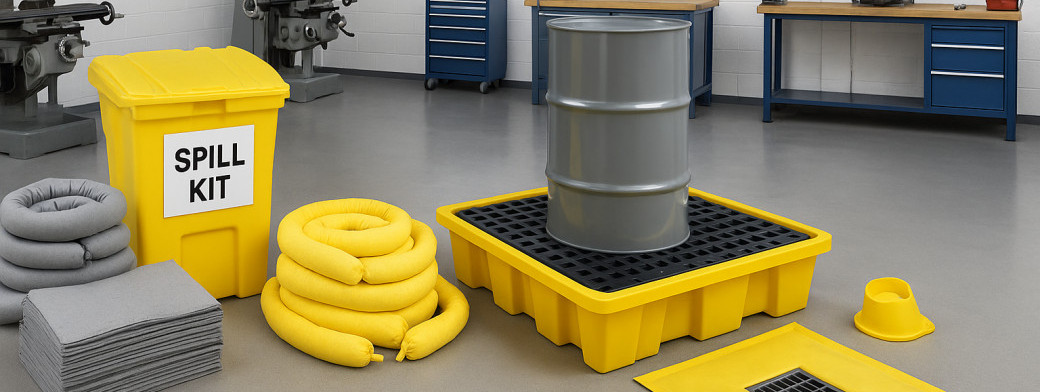
In an engineering workshop, particularly those utilizing compressed air systems, managing oil mist and condensate spills is crucial for maintaining a safe and efficient working environment. Selecting the right spill kit can significantly aid in mitigating risks associated with these spills. Below, we outline key considerations when choosing a spill kit tailored for your workshop's specific needs.
Types of Spill Kits
Spill kits come in various types, designed to tackle different kinds of spills. For workshops dealing with oil mist and condensate, consider the following types:
- Oil Spill Kits: Specifically designed to absorb oils and petroleum-based products, these kits typically include absorbent pads, booms, and socks.
- General Purpose Spill Kits: These versatile kits can handle various liquids, including oils, solvents, and water-based spills. They may contain a mix of absorbent materials.
- Hazardous Waste Spill Kits: Ideal for workshops that may encounter harmful substances, these kits include PPE (personal protective equipment) and are designed to safely contain and dispose of hazardous materials.
Key Features to Look For
When selecting a spill kit, ensure it includes the following key features:
- Absorbent Capacity: Choose a kit with sufficient absorbent materials to handle the maximum amount of oil mist and condensate you may encounter.
- Durability: Ensure that the materials in the kit are robust and can withstand the conditions of your workshop.
- Ease of Use: The kit should be user-friendly, allowing staff to respond quickly and effectively to spills.
- Clear Instructions: Each kit should come with clear instructions on how to use the contents effectively.
Compliance with HSE Regulations
It is essential that your chosen spill kit complies with HSE regulations. This includes guidelines for handling compressed air systems and preventing spills from causing slips and trips, as outlined in the HSE – Slips and Trips publication. Regularly review your spill management strategy to ensure it meets current regulations and best practices.
For a comprehensive selection of spill kits, visit Serpro Spill Kits to find the right solution for your workshop.
Implementing Safe Drain Protection Systems
Effective management of oil mist and condensate in compressed air workshops is crucial for maintaining safety and compliance. One of the key components of this management is the implementation of safe drain protection systems. These systems are designed to prevent the release of hazardous materials into the environment while ensuring proper drainage of condensate and oil mist.
Types of Drainage Systems
There are several types of drainage systems that can be employed in compressed air workshops:
- Gravity Drainage Systems: These systems rely on gravity to direct condensate to a collection point. They are simple and cost-effective but must be designed carefully to ensure proper flow.
- Pumped Drainage Systems: These systems use pumps to move condensate to a designated disposal area. They are ideal for situations where gravity drainage is not feasible.
- Automatic Drain Valves: These valves are designed to release condensate without manual intervention, minimizing the risk of spills. They can be integrated into existing systems for enhanced efficiency.
Installation Best Practices
To ensure the effectiveness of drainage systems, proper installation is essential. Here are some best practices:
- Ensure all components are compatible with the materials being drained, particularly in terms of corrosion resistance.
- Follow the guidelines provided by the HSE – Compressed air safety (HSG39) for installation requirements.
- Position drainage points strategically to prevent pooling and facilitate easy access for maintenance.
- Incorporate spill containment measures, such as bunding, to capture any accidental leaks during operation.
Regular Maintenance Requirements
Regular maintenance is critical to ensuring the longevity and effectiveness of drain protection systems. Key maintenance activities include:
- Routine inspections of drainage components to identify wear and tear.
- Cleaning of drainage lines to prevent blockages caused by oil mist and other contaminants.
- Testing of automatic drain valves to ensure they function correctly and do not leak.
- Documenting maintenance activities to comply with Pressure Systems Safety Regulations (PSSR) and to promote safety in the workplace.
By implementing these strategies, workshops can effectively manage oil mist and condensate, reducing the risk of spills and promoting a safer working environment. For further information on drainage solutions, visit Serpro's drainage solutions.
Pressure Systems Safety Regulations (PSSR) and Their Relevance
The Pressure Systems Safety Regulations (PSSR) play a crucial role in ensuring the safety of compressed air systems used in engineering workshops. These regulations are designed to prevent serious injury and manage the risks associated with pressure systems, which include the generation of oil mist and condensate. Understanding the PSSR is essential for workshop managers and employers to maintain a safe working environment.
Overview of PSSR
The PSSR outlines the legal obligations for the management of pressure systems. These regulations require that all pressure systems, such as compressed air systems, are designed, constructed, operated, and maintained to ensure their safety. Employers must conduct thorough risk assessments to identify potential hazards, including the risks posed by oil mist and condensate, and implement appropriate control measures.
Duties of Employers
Under the PSSR, employers have a duty to ensure that:
- Pressure systems are regularly inspected and tested to ensure they operate safely.
- Any risks associated with the presence of oil mist and condensate are effectively managed.
- Workers are provided with adequate training and information regarding the safe use of compressed air systems.
Importance of Compliance
Compliance with the PSSR is not only a legal requirement but also a critical component of workplace safety. Failure to adhere to these regulations can lead to severe consequences, including serious injuries to workers and significant financial liabilities for the employer. Moreover, maintaining compliance helps in fostering a culture of safety within the workshop, thereby reducing incidents related to slips and trips caused by leaks and condensate, as highlighted by the HSE's guidance on slips and trips.
For more information on pressure safety products and solutions, visit Serpro's pressure safety products.
Establishing a Routine Maintenance Schedule
Regular maintenance is crucial in preventing issues related to oil mist and condensate in compressed air systems. A well-planned maintenance schedule not only ensures the longevity of your equipment but also promotes a safe working environment. Adhering to the Pressure Systems Safety Regulations (PSSR) is essential for managing these systems effectively.
The Importance of PSSR Maintenance Routines
Under the PSSR, it is vital to implement a systematic approach to maintenance. This includes checking for leaks, ensuring proper drainage of condensate, and inspecting filters and separators regularly. Without routine checks, oil mist can accumulate, leading to potential safety hazards and operational inefficiencies.
Checklist for Maintenance Tasks
To streamline your maintenance efforts, consider developing a checklist of essential tasks. Here’s a sample checklist to help guide your routine:
- Inspect air compressor for leaks and signs of wear.
- Check the integrity of pressure relief valves and ensure they are functioning correctly.
- Examine filters and oil separators; replace if necessary.
- Drain condensate from receivers and ensure proper disposal.
- Test the operation of automatic drain valves.
- Review and clean air intake filters to prevent contamination.
Documentation and Record-Keeping
Effective documentation is an integral part of maintaining compliance with PSSR and ensuring the safety of your workshop. Keeping detailed records of maintenance activities helps track the performance and reliability of your compressed air systems.
Document every maintenance task performed, including dates, personnel involved, and any issues identified. This record-keeping not only aids in compliance checks but also provides a historical reference that can inform future maintenance strategies.
For further guidance on establishing a comprehensive maintenance schedule, you can visit Serpro's Maintenance Schedules.
In conclusion, prioritising routine maintenance in compressed air workshops is essential for preventing oil mist and condensate issues. By adhering to PSSR regulations, using a practical checklist, and maintaining accurate records, you can significantly enhance the safety and efficiency of your operations.
Training and Awareness for Workshop Staff
Effective spill management in engineering workshops, particularly concerning compressed air systems, heavily relies on training and awareness among staff. It's crucial to implement training programmes that educate employees about the specific risks associated with oil mist and condensate, as well as the necessary safety protocols to follow.
The Importance of Training Programmes
Regular training sessions should cover the fundamentals of spill management, including the identification of potential hazards, proper handling of materials, and the use of personal protective equipment (PPE). Employees should be trained to recognise the signs of leaks and the correct procedures to mitigate spills promptly. This knowledge not only enhances individual safety but also contributes to the overall safety culture within the workshop.
Safety Drills and Emergency Preparedness
In addition to regular training, conducting safety drills is essential. These drills simulate spill scenarios, allowing staff to practice their responses in a controlled environment. This hands-on experience is invaluable in preparing employees to act quickly and efficiently should a real spill occur. Regular drills also reinforce the importance of teamwork and communication during emergencies, ensuring that everyone knows their role in managing spills effectively.
Creating a Culture of Safety
Fostering a culture of safety within the workshop is vital for long-term spill management success. Encouraging open communication about safety concerns and suggestions for improvement can empower staff to take ownership of their working environment. Recognising and rewarding safe practices can further motivate employees to adhere to protocols diligently. For additional resources on safety measures, refer to the HSE’s guidance on slips and trips, which provides valuable insights on preventing hazards related to leaks and condensate.
By prioritising training and awareness, engineering workshops can significantly reduce the risks associated with oil mist and condensate, ultimately leading to a safer and more efficient working environment.
Conclusion and Best Practices
Effective spill management in engineering workshops, particularly concerning compressed air systems, is crucial for maintaining a safe and efficient working environment. Throughout this article, we have explored several best practices that can significantly reduce the risks associated with oil mist and condensate.
Recap of Best Practices
- Regular Maintenance: Conducting routine inspections and maintenance of compressed air systems helps identify potential leaks and prevent spills before they occur.
- Proper Filtration: Implementing high-quality filtration systems can significantly reduce the amount of oil mist and condensate generated.
- Effective Drainage Solutions: Installing automatic condensate drains ensures that condensate is effectively managed, preventing build-up and potential spills.
- Employee Training: Educating staff about spill response procedures and the importance of spill management can foster a culture of safety in the workplace.
- Housekeeping Practices: Maintaining a clean workspace is vital. Regularly cleaning up spills and ensuring proper disposal of waste can reduce slip hazards and improve overall safety.
The importance of reducing slip hazards cannot be overstated, as it directly relates to employee safety and productivity. Furthermore, adhering to regulations such as the Pressure Systems Safety Regulations (PSSR) ensures compliance and promotes a safer working environment.
Call to Action
We encourage workshop managers and engineers to implement these best practices in their operations. By doing so, you not only protect your employees but also enhance the efficiency of your compressed air systems. Make spill management a priority today to foster a safer and more productive workshop environment.