
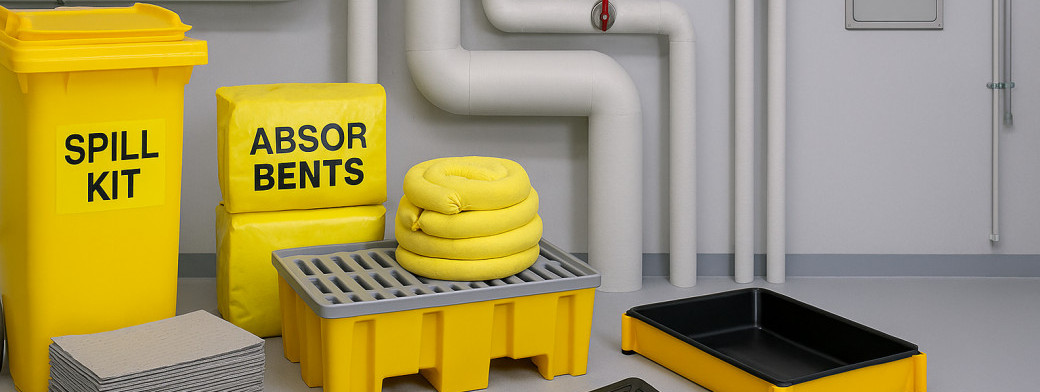
Introduction to Spill Management in Boiler and Plant Rooms
Spills are defined as the unintended release of liquids, which can pose significant risks in commercial boiler and plant rooms. These environments often handle various substances, including glycol, oils, and chemical dosing agents, making effective spill management crucial for safety and compliance.
The importance of spill management cannot be overstated. Not only do spills pose a risk to health and safety, potentially leading to slips, falls, and exposure to hazardous materials, but they can also result in environmental damage and costly clean-up operations. Furthermore, under the Pressure Systems Safety Regulations (PSSR), businesses have a legal obligation to manage risks associated with pressure systems, including the substances they contain.
Common Substances in Boiler Rooms
In boiler and plant rooms, the most common substances encountered include:
- Glycol: Often used as an antifreeze agent, glycol can be harmful if spilled, necessitating immediate attention to avoid contamination.
- Oils: These are typically used for lubrication and maintenance but can create slippery surfaces and environmental hazards when spilled.
- Chemical Dosing Agents: Chemicals used for water treatment can be corrosive or toxic, making proper handling and spill response critical.
To effectively manage spills, it is essential for facilities management (FM) and maintenance teams to be prepared with the right resources. This includes having spill kits readily available and using absorbents that can quickly control and mitigate the impact of spills.
Additionally, following guidelines from the GOV.UK pollution prevention for businesses can help in establishing effective spill prevention strategies, ensuring that your boiler and plant rooms remain safe and compliant.
Understanding Bunding
Bunding is a critical containment method used in commercial boiler and plant rooms to prevent spills of hazardous substances, such as glycol, oils, and chemicals, from causing environmental damage and safety hazards. Essentially, bunding involves creating a barrier or containment area around potentially harmful liquids to ensure that any spills are contained and do not escape into the surrounding environment.
Regulatory Requirements for Bunding in the UK
In the UK, bunding is governed by various regulations aimed at preventing pollution and ensuring safety in the workplace. According to the GOV.UK guidelines on pollution prevention, businesses must implement effective bunding solutions when storing oils and chemicals to prevent run-off and protect water sources. The regulations specify that bunds should have a capacity of at least 110% of the largest container they are designed to contain, ensuring that any potential spill can be effectively managed.
Moreover, the HSE Pressure Systems Safety Regulations (PSSR) also highlight the importance of proper containment measures in the management of pressure systems, which can often be found in boiler and plant rooms. Compliance with these regulations not only safeguards the environment but also protects the health and safety of personnel working in these areas.
Best Practices for Bunding Installation
To ensure effective bunding, several best practices should be followed during installation:
- Material Selection: Choose robust materials that can withstand the corrosive nature of the substances being contained. Common materials include concrete, steel, or specially designed plastics.
- Design Considerations: The bund should be designed to accommodate the maximum volume of liquid that could spill, as stipulated by regulations. A minimum freeboard should also be maintained to prevent overflow during heavy rainfall.
- Accessibility: Ensure that the bund area is easily accessible for routine inspections and maintenance. It should also allow for the safe removal of spilled materials.
- Regular Inspections: Implement a schedule for regular inspections and maintenance of bunding systems to ensure their integrity and functionality. This is crucial for early detection of any wear or damage that could compromise the bund's effectiveness.
For tailored bunding solutions, consider exploring the services offered by Serpro, who specialise in effective spill management systems.
The Role of Drip Trays in Spill Management
In commercial boiler and plant rooms, managing spills effectively is crucial to maintaining safety and compliance with regulations. One of the most effective tools in spill management is the use of drip trays. These trays can capture leaks and spills before they spread, minimising the risk of contamination and ensuring a safer working environment.
Types of Drip Trays
Drip trays come in various types and materials, each designed for specific applications. Common types include:
- Standard Drip Trays: Usually made from plastic or metal, these trays are ideal for general use in capturing small leaks from equipment.
- Chemical Resistant Drip Trays: Designed to withstand corrosive substances, these trays are essential when dealing with oils, glycols, and other chemicals.
- Interlocking Drip Trays: These trays can be connected to form a larger containment area, which is particularly useful for larger installations or high-risk areas.
Placement of Drip Trays
The effectiveness of drip trays depends significantly on their placement. They should be positioned directly under equipment prone to leaks, such as:
- Boilers and heating systems
- Pumps and valves
- Chemical storage areas
Additionally, consider placing drip trays in areas where there is a high likelihood of spills occurring, particularly those that could lead to run-off and environmental contamination. For guidance on pollution prevention, refer to the GOV.UK pollution prevention guidelines.
Maintenance of Drip Trays
Regular maintenance of drip trays is essential to ensure they function effectively. This includes:
- Routine inspections to check for damage or wear
- Cleaning to remove any accumulated spills or residues
- Ensuring they are correctly positioned and not obstructed
Following the HSE Pressure Systems Safety Regulations (PSSR) and HSE guidelines on Legionella can help inform maintenance practices and enhance safety in plant areas.
By implementing effective spill management strategies, including the use of drip trays, FM and maintenance teams can significantly reduce risks associated with spills, ensuring compliance and safety in commercial boiler and plant rooms.
Selecting the Right Absorbents
Effective spill management in boiler and plant rooms is crucial for maintaining safety and compliance. A key component of this process is the selection of appropriate absorbents for different types of spills, including glycol, oils, and chemical dosing liquids.
Types of Absorbents
There are several types of absorbents available, each suited for specific spill scenarios:
- Universal Absorbents: These are designed to absorb a variety of liquids, including oils, water, and chemicals. They are ideal for mixed-use areas.
- Oil-Only Absorbents: Specifically formulated to absorb oils and hydrocarbons while repelling water. These are particularly useful in areas prone to oil spills.
- Chemical Absorbents: Designed to absorb hazardous chemicals, these absorbents are often colour-coded and labelled to indicate their specific use.
Factors to Consider When Choosing Absorbents
When selecting absorbents for your facility, consider the following factors:
- Type of Spill: Identify the nature of the liquid being absorbed. Different materials react differently to various substances.
- Absorption Capacity: Evaluate how much liquid the absorbent can hold. This is crucial for managing larger spills effectively.
- Environmental Impact: Ensure that the absorbent is environmentally friendly and complies with regulations, such as those outlined in GOV.UK's pollution prevention guidelines.
- Ease of Use: Choose absorbents that are easy to deploy and remove, ensuring that your team can act quickly in the event of a spill.
Storage and Disposal of Absorbents
Proper storage and disposal of absorbents are essential to ensure safety and compliance:
- Storage: Absorbents should be stored in a cool, dry place away from direct sunlight and in accordance with the manufacturer's guidelines. Ensure that they are easily accessible to maintenance teams.
- Disposal: Follow local regulations for disposing of used absorbents, especially those contaminated with hazardous substances. Refer to the HSE Pressure Systems Safety Regulations for guidance on safe disposal practices.
By carefully selecting and managing absorbents, FM and maintenance teams can enhance spill response efforts and maintain compliance with health and safety standards.
Spill Response Procedures
Effective spill response procedures are crucial in boiler and plant rooms to mitigate risks associated with leaks of glycol, oils, and chemical dosing agents. Here’s a structured approach to managing spills efficiently.
Immediate Actions to Take During a Spill
Upon discovering a spill, the first step is to ensure the safety of all personnel. Follow these immediate actions:
- Alert all staff in the vicinity of the spill.
- Assess the situation to determine the size and nature of the spill.
- Evacuate the area if there’s a risk of exposure to hazardous materials.
- Use appropriate personal protective equipment (PPE) before attempting to contain the spill.
- Contain the spill using absorbent materials or spill kits, which can be found at Serpro.
Reporting Procedures
Once the immediate danger is addressed, it is essential to follow a structured reporting procedure:
- Notify the facility manager or designated spill response officer.
- Document the spill incident, including the time, location, type of material, and actions taken.
- Complete a spill report form as per the company’s environmental policy.
- Ensure that any necessary notifications are made to external agencies, as per GOV.UK guidance on pollution prevention.
Training for Staff
Regular training is vital to ensure all staff are prepared to respond effectively to spills:
- Conduct spill response drills at least annually to reinforce procedures.
- Provide training on the use of spill kits and PPE, emphasizing the importance of safety.
- Review spill response procedures periodically and update training materials as necessary.
By implementing these spill response procedures, FM and maintenance teams can significantly reduce the risks associated with spills in boiler and plant rooms, ensuring a safer working environment for everyone.
Conclusion and Best Practices
Effective spill management in boiler and plant rooms is not just a regulatory requirement; it is a critical component of operational safety and environmental protection. The potential risks associated with spills of glycol, oils, and chemicals can have severe implications, not only for the facility but also for the surrounding environment and public health. As we have discussed, implementing robust spill management strategies can significantly mitigate these risks.
To ensure the safety and efficiency of your operations, it is essential for FM and maintenance teams to adopt best practices for spill prevention and response. This includes regular training, proper storage of hazardous materials, and immediate reporting and response protocols. By fostering a culture of vigilance and preparedness, you can protect your facility from the detrimental effects of spills.
We encourage you to take a moment to review your current spill management strategies. Are they comprehensive enough to address the unique challenges of your boiler and plant rooms? Are your staff well-trained in spill response? By assessing and enhancing your spill management practices, you can ensure compliance with regulations such as the Pressure Systems Safety Regulations (PSSR) and adhere to pollution prevention principles outlined by the UK government.
In conclusion, proactive spill management is essential for safeguarding both your operations and the environment. Take action today to reinforce your spill management protocols and ensure a safer, cleaner working environment.