
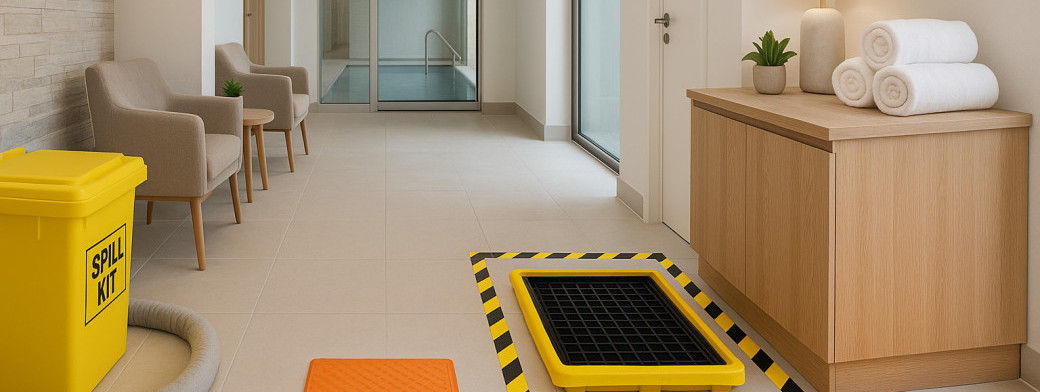
Introduction to Spa Hotel Safety
In the serene environment of a spa hotel, where relaxation and rejuvenation are the primary focus, managing safety hazards is essential. Among the most common challenges faced in these settings are spills of oils, lotions, and various chemicals. These substances can create slippery surfaces, posing a significant risk of slips and falls, which can lead to serious injuries.
Understanding the potential for such spills is crucial for spa hotel management. Oils and lotions used during treatments can easily spill onto floors, while cleaning agents and pool chemicals may also contribute to safety hazards if not handled properly. The Health and Safety Executive (HSE) highlights that slips and trips are among the leading causes of workplace accidents in the hospitality industry, making it imperative for spa hotels to implement effective safety measures.
Importance of Safety Measures
Implementing robust safety protocols is not just about compliance; it is about creating a safe environment for both guests and staff. Regular training on spill response, proper storage of hazardous substances, and immediate clean-up procedures can significantly reduce the risk of accidents. Furthermore, the installation of anti-slip flooring and the use of warning signage in areas prone to spills are proactive steps that can enhance safety.
Moreover, spa hotels must adhere to various regulations regarding chemical safety and environmental protection. Guidelines from the GOV.UK outline best practices for preventing pollution, particularly concerning the storage and handling of chemicals. Compliance with these regulations not only protects guests and staff but also ensures that the hotel operates within the law.
For more detailed information about maintaining safety in spa settings, visit our comprehensive guide on spa safety.
Understanding the Risks of Spills
In spa hotels, where relaxation meets luxury, the use of oils, lotions, and various cleaning chemicals is commonplace. However, these products can pose significant risks when spills occur. Understanding the types of spills that can happen and their potential hazards is crucial for ensuring a safe environment for both guests and staff.
Types of Oils and Lotions Used
Spa hotels typically utilise a variety of oils and lotions, including essential oils, massage oils, and moisturising lotions. These products, while beneficial for relaxation and skincare, can create slippery surfaces when spilled. For instance, essential oils can be particularly hazardous due to their concentrated nature, which may lead to severe slips if not addressed promptly.
Chemical Spills from Cleaning Products
In addition to oils and lotions, cleaning products are frequently used to maintain hygiene and cleanliness in spa areas. Chemicals such as disinfectants, detergents, and sanitising agents can pose serious risks if spilled. According to GOV.UK, improper handling and storage of these substances can lead to not only slip hazards but also environmental pollution if they seep into drains or the surrounding ecosystem.
Consequences of Neglecting Spills
The consequences of neglecting spills can be dire. Ignoring a simple spill can result in slip and trip accidents, which are one of the leading causes of injuries in the hospitality industry, as outlined by the HSE. Furthermore, chemical spills can lead to long-term health issues for staff and guests, as well as potential legal ramifications for the hotel if negligence is proven. Regular training and a robust spill management plan are essential to mitigate these risks and ensure a safe environment.
Kit Placement for Spill Management
Effective spill management in spa hotels relies heavily on the strategic placement of spill kits. To ensure maximum effectiveness, consider the following recommended locations:
Recommended Locations for Spill Kits
- Near Treatment Areas: Place spill kits in close proximity to treatment rooms where oils and lotions are frequently used. This ensures immediate access in case of a spill.
- Poolside: Position kits around the spa pool area as per the HSE guidance on health and safety in swimming pools, to quickly address any chemical spills that may occur.
- Storage Areas: Ensure kits are located near chemical storage areas, as spills are more likely to happen during handling.
- Cleaning Stations: Equip cleaning stations with spill kits to manage any accidental spills during cleaning processes.
Accessibility Considerations
Accessibility is crucial when positioning spill kits. Ensure that they are:
- Clearly marked and visible to all staff members.
- Located at eye level or within easy reach to facilitate quick response times.
- In areas that are free from obstructions, allowing staff to access them promptly in an emergency.
Regular Checks and Maintenance
Regular checks and maintenance of spill kits are vital to ensure they are always ready for use. Implement a routine inspection schedule to:
- Check that all items are present and in good condition.
- Replace any used or expired materials immediately.
- Keep a log of inspections to track the maintenance history of each kit.
For more information on selecting the right spill kits, visit Serpro's spill kit page.
Staff Training for Spill Response
In the dynamic environment of spa hotels, effective spill management is crucial to ensure the safety of guests and staff alike. Comprehensive staff training on spill response is essential to equip employees with the knowledge and skills necessary to handle oil, lotion, and chemical spills safely.
Key Training Topics to Cover
Training should encompass a variety of topics, including:
- Types of Spills: Understanding the different types of spills, including oils, lotions, and chemicals, and their potential hazards.
- Immediate Response Procedures: Steps to take immediately following a spill, including containment and notification of supervisors.
- Personal Protective Equipment (PPE): Proper use of PPE to protect staff during spill clean-up operations.
- Clean-Up Procedures: Methods for safely cleaning various types of spills while minimising risks.
- Reporting and Documentation: How to report spills and document the response to ensure compliance with health and safety regulations.
The Importance of Regular Drills
Regular spill response drills are vital for reinforcing training and ensuring that staff are familiar with procedures. These drills help to:
- Build confidence in handling spills efficiently.
- Identify areas for improvement in response strategies.
- Ensure that all staff members are aware of their roles during a spill incident.
According to the HSE’s guidance on health and safety in swimming pools, regular practice is key to minimising risks associated with spills in spa environments.
Documenting Training
Documentation of training sessions is crucial for compliance and continuous improvement. Keep detailed records that include:
- Date and time of training sessions.
- Names of staff members who attended.
- Topics covered and materials used.
- Feedback and assessments from drills.
For more information on effective staff training strategies, visit Serpro's staff training resource.
Disposal Routines for Spills
Effective management of spills in spa hotels is crucial for maintaining a safe environment for guests and staff alike. Proper disposal methods vary depending on the type of spill, whether it be oil, lotion, or chemicals.
Disposal of Oil and Lotion
When dealing with oil and lotion spills, the first step is to contain the spill using absorbent materials such as pads or granules. These materials should be disposed of according to local regulations. In the UK, oil and lotion waste can often be classified as hazardous waste, requiring special handling. It is advisable to engage a licensed waste disposal company to ensure compliance with regulations. For more information on waste disposal, visit Serpro's Spill Disposal.
Chemical Disposal Regulations
Chemical spills require immediate attention and adherence to strict disposal regulations. The UK government guidelines outline the necessary steps for managing chemical spills, including the need for proper containment, neutralisation, and disposal. Always refer to the Material Safety Data Sheets (MSDS) for specific chemicals to understand the risks and disposal methods associated with each substance.
Environmental Considerations
In addition to safety and compliance, environmental considerations are paramount. Spa hotels should strive to minimise their ecological footprint by using eco-friendly products and adopting green disposal practices. This includes recycling materials where possible and ensuring that no harmful substances enter water systems or soil. Following guidelines from the HSE on slips and trips can also help prevent accidents related to spills, contributing to a safer environment for everyone.
Case Studies: Successful Spill Management
In the realm of spa hotels, managing spills effectively is critical to ensuring guest safety and maintaining a pristine environment. This section presents a series of real-life case studies that highlight successful spill management practices within the industry. By examining these instances, we can extract valuable lessons and identify best practices that can be implemented across various spa facilities.
Overview of Case Studies
One notable case involved a luxury spa hotel that experienced a significant oil spill in their treatment room due to a faulty dispenser. The hotel staff acted swiftly, employing their spill response plan, which included immediate containment measures and notifying the appropriate environmental agencies. Another example is a resort that faced a lotion spill around their pool area. Here, the quick use of absorbent materials and a well-trained team helped to mitigate the situation before it escalated, ensuring guest safety and preventing any environmental impact.
Lessons Learned
From these case studies, several key lessons emerged. Firstly, the importance of having a well-defined spill response plan cannot be overstated. Each hotel that successfully managed a spill had a clear protocol in place, enabling staff to respond quickly and effectively. Secondly, regular training sessions for staff members proved essential. In both cases, personnel were well-versed in the necessary actions to take, which significantly reduced response times.
Best Practices Identified
Several best practices were identified through these case studies. These include:
- Regular Training: Conduct frequent training sessions for all staff, covering spill response procedures and safety protocols.
- Clear Communication: Ensure that all employees are aware of the emergency response plan and their specific roles.
- Accessible Spill Kits: Maintain well-stocked spill kits in easily accessible locations throughout the hotel.
- Routine Inspections: Implement regular inspections of equipment and storage areas to prevent potential spills before they occur.
For further insights and additional case studies on effective spill management, visit Serpro's case studies.
By adopting these best practices, spa hotels can enhance their spill management strategies, ensuring a safe and enjoyable experience for all guests while protecting the environment.
Conclusion and Best Practices
Managing oil, lotion, and chemical spills is crucial in maintaining a safe and welcoming environment for guests at spa hotels. The risks associated with spills can lead to accidents, legal issues, and damage to the hotel's reputation. Therefore, implementing effective spill management strategies is not just a regulatory requirement but a fundamental aspect of operational excellence.
Recap of Spill Management Importance
As highlighted throughout this discussion, the importance of proactive spill management cannot be overstated. Regular training for staff on spill response, clear communication of procedures, and the availability of appropriate cleaning materials are vital components in minimising risks associated with spills. Additionally, adhering to guidelines from reputable sources such as the HSE on slips and trips and the HSE's swimming pool guidance will help ensure compliance and safety.
Final Tips for Spa Hotels
- Develop a clear spill response plan and ensure all staff are trained in its execution.
- Regularly inspect and maintain equipment to prevent leaks and spills.
- Implement a routine cleaning schedule that addresses high-risk areas promptly.
- Utilise spill kits that are easily accessible and well-stocked with appropriate materials.
- Stay informed about pollution prevention measures as detailed by GOV.UK.
Encouragement to Implement Safety Measures
By prioritising spill management and implementing these best practices, spa hotels can significantly reduce the likelihood of accidents and enhance the overall guest experience. We encourage all spa hotel operators to take these measures seriously and to continually assess and improve their safety protocols. For further guidance on creating a safe spa environment, visit Serpro's spa safety resources.